




Why October is a Special Month
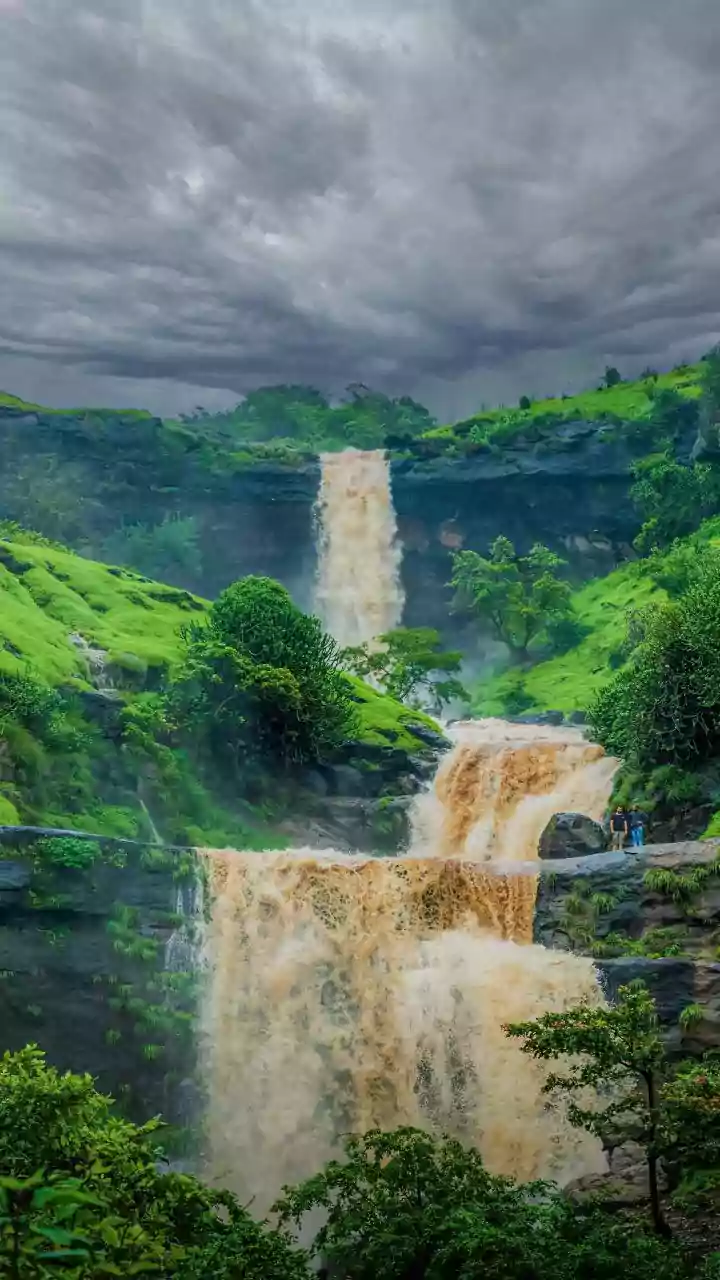
October marks the grand reopening for many of India’s premier national parks after a three-month monsoon break. This isn't just a change in schedule; it's a complete refresh of the ecosystem. The forests are dense and emerald green, the waterholes are full,
and the air is crisp and clean. The weather is generally pleasant, with sunny days and cool mornings and evenings, making for comfortable safari conditions. Because the peak tourist season starts a bit later, October often means fewer crowds, allowing for a more serene and intimate communion with nature. It’s a photographer’s dream, with dramatic skies and vibrant landscapes providing a stunning backdrop for wildlife.
Jim Corbett National Park, Uttarakhand
As India's oldest national park, Jim Corbett is a legendary destination for wildlife lovers. Key safari zones like Bijrani and Jhirna typically reopen around mid-October, offering access to stunning Himalayan foothill scenery. The park’s grasslands are particularly beautiful post-monsoon. While Corbett is famous for the Royal Bengal Tiger, it is also a fantastic place to see Asiatic elephants, leopards, and over 500 species of birds. The Ramganga River, flowing through the park, is home to Gharials and Mugger crocodiles. For a beginner, the sheer diversity of life here is a perfect introduction to the Indian wilderness.
Ranthambore National Park, Rajasthan
Famed for its reliable tiger sightings, Ranthambore reopens its core zones (1-5) on October 1st. What makes this park unique is the blend of nature and history; ancient ruins, including the formidable 10th-century Ranthambore Fort, are scattered throughout the park, creating a dramatic landscape. Tigers are often seen roaming near these historic structures and the park's many lakes. Besides tigers, you can spot animals like sambar deer, wild boar, and marsh crocodiles. The mix of arid terrain and renewed greenery in October provides a unique safari experience that is both wild and wonderfully atmospheric.
Kanha National Park, Madhya Pradesh
Said to be the inspiration for Rudyard Kipling's 'The Jungle Book', Kanha's vast meadows and dense Sal forests are breathtakingly beautiful in October. The park reopens around mid-October, welcoming visitors into one of the country's best-managed reserves. Kanha is not only a prime tiger habitat but is also the only place in the world to see the rare hard-ground Barasingha (swamp deer), which was brought back from the brink of extinction here. The lush grasslands make it easier to spot herds of deer and Gaur (Indian Bison), which in turn increases the chances of seeing predators like tigers and leopards.
Your First Safari: What to Expect
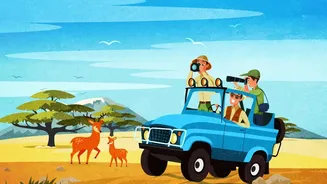
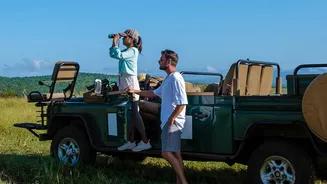
A safari is an adventure, not a zoo visit. Sightings are a matter of chance and patience is key. Safaris are typically conducted in open-top jeeps (called Gypsys) or larger Canters, in two shifts: early morning and late afternoon. Mornings can be chilly, so dressing in layers is wise. Your guide and driver are experts at tracking animals by listening for alarm calls from deer or monkeys and spotting pugmarks on the trail. Listen to their instructions, remain quiet, and keep your eyes peeled. The thrill isn't just in spotting a tiger; it's in the anticipation, the sounds of the jungle, and the beauty of the habitat itself.
The Essential Packing Checklist for Beginners
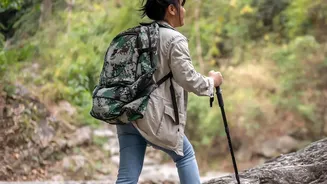
Packing smart can significantly enhance your safari experience. First, opt for clothes in neutral, earthy colours like beige, khaki, and olive green to blend in with the surroundings. Bright colours can disturb the animals. Bring lightweight layers—a fleece or jacket for the cold mornings that you can remove as the day warms up. A hat, sunglasses, and sunscreen are crucial for sun protection. A good pair of binoculars is a must-have for spotting distant animals and birds. Finally, don't forget a camera with a good zoom lens to capture memories, insect repellent, and a reusable water bottle.
Booking Your First Safari
Wildlife safaris in India's top parks need to be booked well in advance, as permits are limited and sell out quickly. You can book permits through the official forest department websites for each state. This is often the most cost-effective method. Alternatively, you can book through your hotel or a reputable travel agent, who can handle the permits, vehicle, and guide for a seamless experience. For a beginner, this can be a less stressful option. Ensure you have valid photo identification for all members of your group, as this is required for booking and verification at the park gate.