


Meghalaya: Walk Among the Clouds
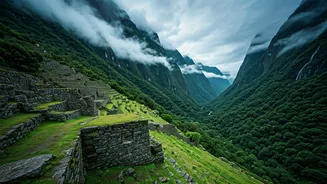
Known as the "abode of the clouds," Meghalaya is arguably the capital of the Indian monsoon. Home to Mawsynram and Cherrapunji, two of the wettest places on Earth, this northeastern state becomes a spectacle of nature's power. The rain isn't a nuisance;
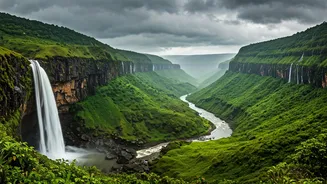
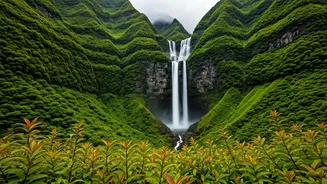
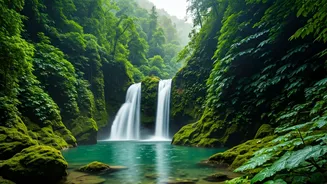
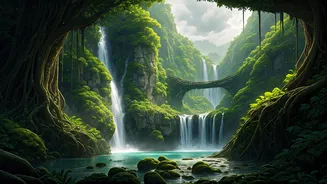
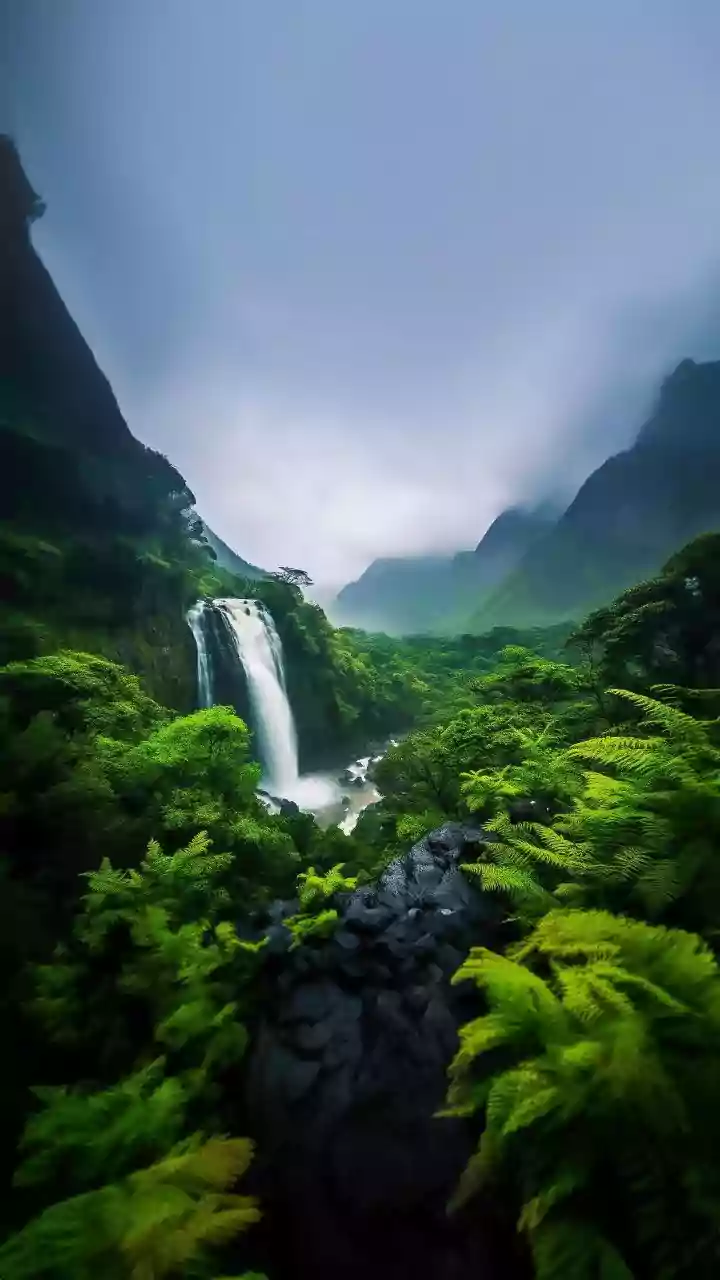
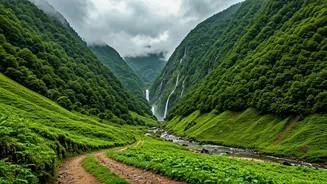
it's the main event. Waterfalls that are mere trickles in the dry season, like Nohkalikai and the Seven Sisters Falls, become thunderous torrents cascading down emerald cliffs. The true magic, however, lies in its living root bridges. These marvels of bio-engineering, woven by the Khasi tribes from the roots of rubber trees, are at their strongest and most otherworldly when draped in mist and surrounded by the constant hum of rain, feeling like a scene straight out of a fantasy novel.
Kerala: The Backwaters in Full Bloom
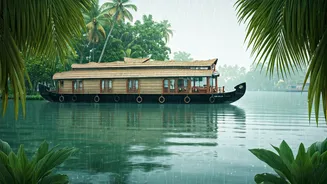
While Kerala is a year-round destination, the monsoon gives it a fresh, poetic soul. The famous backwaters, a network of serene lagoons and canals, swell with rainwater, reflecting the dramatic, overcast skies. A journey on a traditional houseboat becomes a meditative experience, gliding past vibrant green paddy fields and locals whose lives are intrinsically tied to the water. The hill stations of Munnar and Wayanad, typically blanketed in neat rows of tea plants, are washed clean, their verdant color amplified to an almost impossible intensity. It’s also considered the best time for traditional Ayurvedic treatments, as the moist, cool air is believed to open the body’s pores, making therapies more effective.
Valley of Flowers, Uttarakhand: A Himalayan Carpet
This one is for the hikers. Tucked away high in the Himalayas, the Valley of Flowers National Park is a UNESCO World Heritage Site that lives up to its name only during the monsoon. For most of the year, it's covered in snow. But as the ice melts and the rains arrive, the valley floor explodes into a riot of color. Over 300 species of alpine flowers, from vibrant wild roses and geraniums to the elusive blue poppy, bloom in a spectacular, high-altitude meadow framed by snow-capped peaks. The trek to the valley is a journey through misty forests and alongside gushing streams, making the final floral reveal even more rewarding. It’s a fleeting paradise, open only from June to October, with peak bloom in July and August.
The Western Ghats, Maharashtra: A Symphony of Waterfalls
For city dwellers in Mumbai and Pune, the monsoon means one thing: road trips into the Western Ghats. This mountain range, which runs parallel to India’s western coast, transforms into a playground of mist and water. Driving through ghats (mountain passes) like Malshej or Tamhini reveals a landscape where every crevice in the rock seems to have sprouted a waterfall. Places like Lonavala and Khandala, often dismissed as crowded weekend spots, regain their charm under a blanket of fog. The air is cool, the scent of wet earth is everywhere, and roadside vendors sell roasted corn on the cob—a simple, quintessential monsoon experience that feels a world away from the urban grind.
Udaipur, Rajasthan: The Desert City Reborn
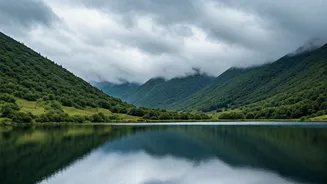
Rajasthan, the land of deserts and arid forts, might seem like the last place to visit during a rainy season. But that’s exactly its hidden appeal. When the monsoon reaches Udaipur, the "City of Lakes," it's a cause for celebration. The parched Aravalli hills surrounding the city blush with a surprising green hue. The iconic lakes, like Pichola and Fateh Sagar, fill to the brim, giving the white marble palaces a more dramatic, romantic setting. The view from the Monsoon Palace, perched on a hill overlooking the city, is unparalleled as dark clouds roll in and rain sweeps across the water. It’s a chance to see a completely different side of Rajasthan—less crowded, cooler, and full of life.