






The Diversifying Indian Thali
For decades, the foundation of the Indian diet was built on staple grains. Today, that foundation is shifting. Thanks to rising per capita expenditure, households are spending a smaller portion of their budget on cereals and dedicating more to other food
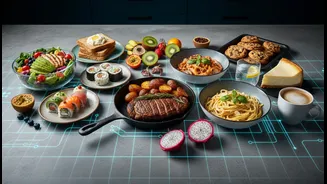
groups. Reports based on household consumption surveys show a clear trend: Indians are buying more milk, fresh fruits, eggs, and meat. This diversification is a sign of economic progress, reflecting improved access and affordability. For the first time, the average household is spending less than half of its budget on food, freeing up resources for a more varied culinary experience. In theory, a more diverse diet should be a healthier one, offering a broader range of essential nutrients.
Variety Doesn't Equal Nutrition
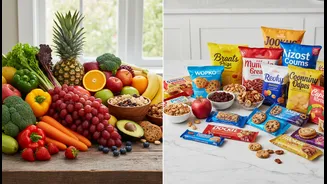
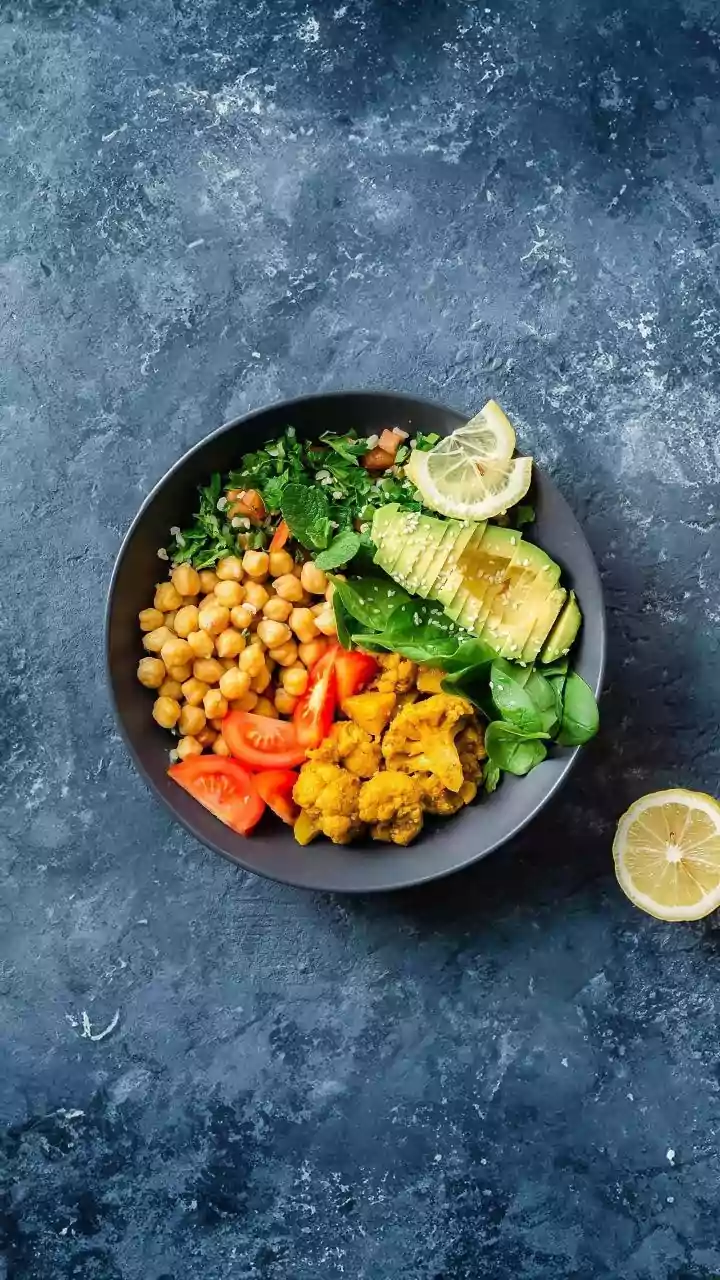
Herein lies the paradox. While dietary diversity is increasing, it is not automatically translating into better health. Multiple studies highlight a worrying disconnect between variety and nutritional quality. A recent analysis found that despite greater diversity, the intake of crucial micronutrients like iron, zinc, and calcium often remains below recommended levels. The Indian plate may be more colourful, but it is also becoming heavier with low-quality carbohydrates, unhealthy fats, and processed items, while protein intake often remains inadequate. This shift is contributing to India's double burden of malnutrition, where undernutrition coexists with a growing crisis of obesity and lifestyle diseases like diabetes and cardiovascular conditions.
The Internet on Your Plate
The rapid expansion of internet access and smartphone use is a primary catalyst in this dietary transformation. The digital food environment, from social media to delivery apps, now shapes how millions of Indians interact with food. On one hand, the internet offers unprecedented access to health information and culinary inspiration. On the other, it has opened the floodgates to a torrent of ultra-processed foods (UPFs). These items—often high in fat, sugar, and salt (HFSS)—are aggressively marketed online, with digital campaigns frequently targeting young adults and children. The result is a marketplace where convenience often triumphs over consciousness, and the healthiest choice is not always the easiest one.
The Convenience Trap of Delivery Apps
Food delivery platforms like Zomato and Swiggy, along with quick-commerce apps such as Blinkit and Zepto, have fundamentally altered urban eating patterns. This convenience, however, comes at a potential health cost. Studies show a strong link between frequent use of these services and higher caloric intake and obesity. One analysis found that nearly half of all packaged foods sold on major online grocery platforms are classified as junk or ultra-processed. These apps employ sophisticated marketing, using push notifications and targeted discounts that can encourage impulsive ordering of calorie-dense meals. This creates what experts call a 'convenience trap,' where the effortless act of ordering in replaces the more involved, and often healthier, process of cooking at home.
Navigating the New Food Landscape
Tackling this challenge requires more than just individual willpower. It calls for a systemic approach. Public health advocates and economic surveys have suggested policy interventions, such as regulating the advertising of unhealthy foods, particularly to children. There is also a growing demand for clearer food labelling on apps, such as a red identifier for ultra-processed items, to help consumers make more informed choices. Ultimately, as India continues its digital and economic ascent, fostering digital and nutritional literacy will be key. Understanding the forces that shape our new food environment is the first step toward ensuring that a wealthier and more connected India is also a healthier one.