

Understanding Vrat-Friendly Foods
During Hindu fasts, especially Navratri, the diet shifts to 'sattvic' or pure foods that are light on the digestive system. A key rule is the avoidance of cereal grains ('anna') like wheat and regular rice. This is where ingredients like Sama rice and Kuttu
come in. They are not true cereals; instead, they are classified as pseudo-cereals. This botanical distinction is why they are permitted during fasts, allowing for filling meals that still adhere to traditional guidelines.
What is Sama Rice?
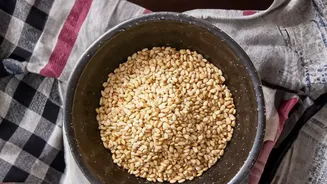
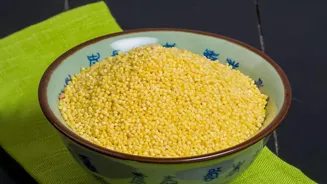
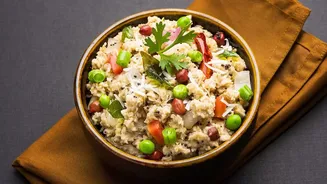
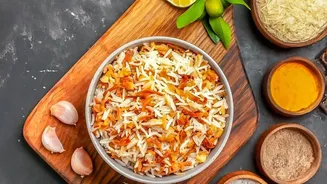
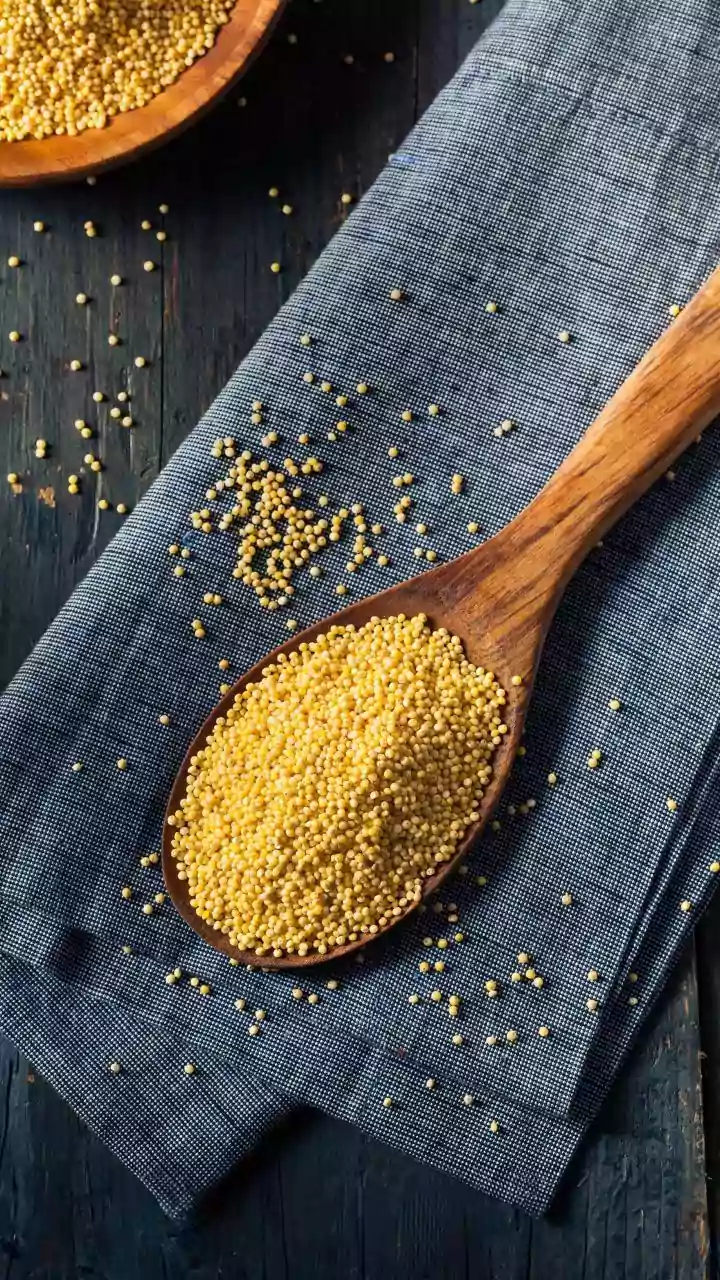
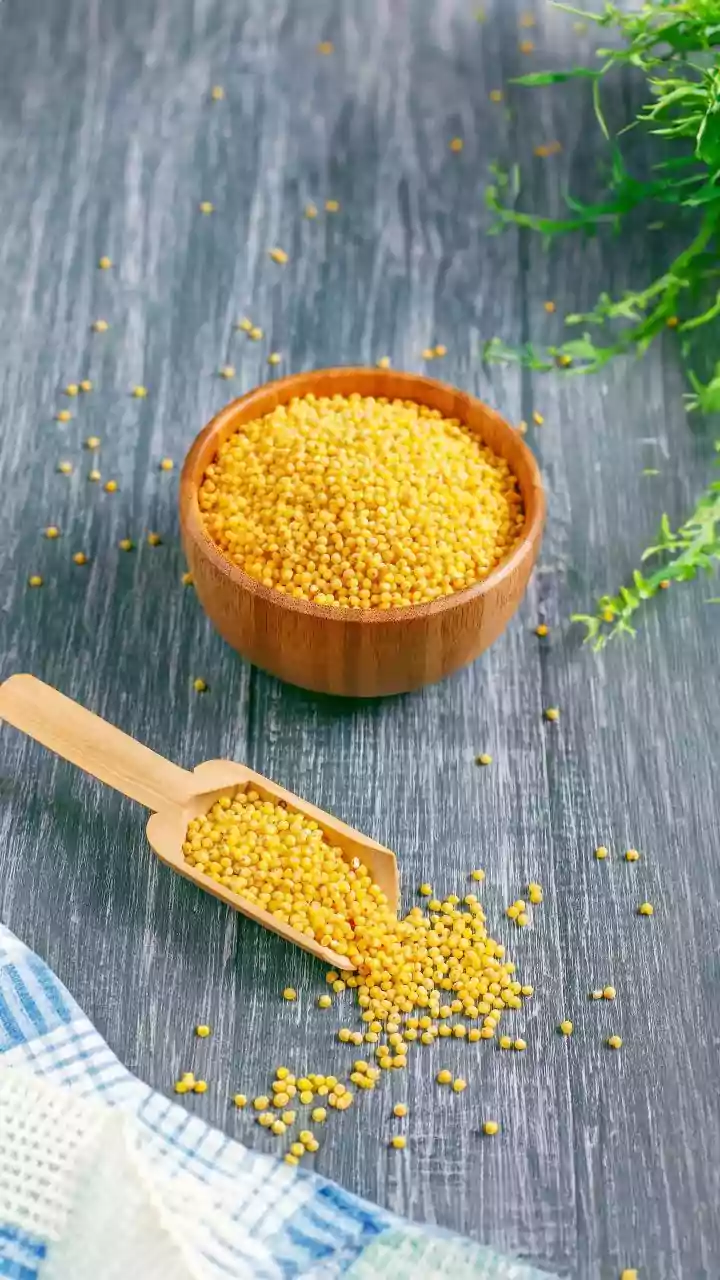
Sama rice, also known as 'vrat ke chawal', is not a type of rice at all. It is barnyard millet (Echinochloa frumentacea), a tiny, round grain that belongs to the millet family. It cooks quickly, much like broken rice, and has a mild, nutty flavour. Its texture becomes soft and slightly chewy, making it incredibly versatile for fasting cuisine. Traditionally, it has been permitted during fasts because it was considered a wild grass, not a cultivated staple grain like rice or wheat.
Decoding Kuttu Ka Atta
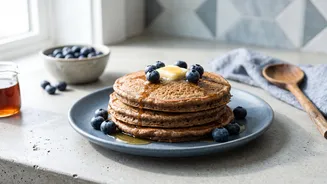
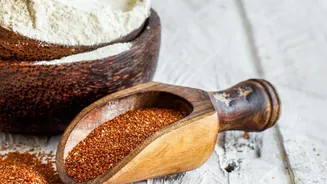
Kuttu ka atta, or buckwheat flour, is another cornerstone of vrat cooking. Despite its name, buckwheat is not related to wheat. It is a pseudo-cereal, derived from the seeds of a flowering plant. The flour has a distinct earthy, nutty flavour and a dark colour. Because it is a seed and not a true cereal grain from the grass family, it is permitted during fasting periods. It's widely used to make puris, rotis, cheelas, and pakoras.
A Nutritional Powerhouse for Fasting
Both Sama rice and Kuttu are valued not just for tradition but for their impressive nutritional profiles. They are naturally gluten-free, making them light on the stomach and easy to digest. Both are rich in dietary fibre, which aids digestion and promotes a feeling of fullness, helping manage hunger during long fasting hours. Sama rice is a good source of minerals like iron and magnesium. Kuttu is packed with high-quality plant-based protein, containing all nine essential amino acids, and minerals such as magnesium, phosphorus, and iron. Both have a low glycemic index, which helps in the slow release of energy and keeps blood sugar levels stable.
How to Cook with Sama and Kuttu
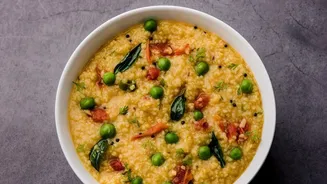
The versatility of these ingredients is what makes vrat cooking so interesting. Sama rice can be used to make a simple pulao or khichdi, which is a comforting, porridge-like dish. It can also be used to prepare kheer, idli, and even tikkis. To cook it, you generally wash and soak the grains before cooking them with water or broth until they are soft. Kuttu ka atta is most famously used to make deep-fried puris or flatbreads (rotis), often mixed with mashed potatoes as a binding agent. It's also perfect for making savoury pancakes (cheelas) or crispy pakoras. Since Kuttu flour can have a slightly bitter taste, it is often paired with other ingredients and spices to enhance its flavour.