


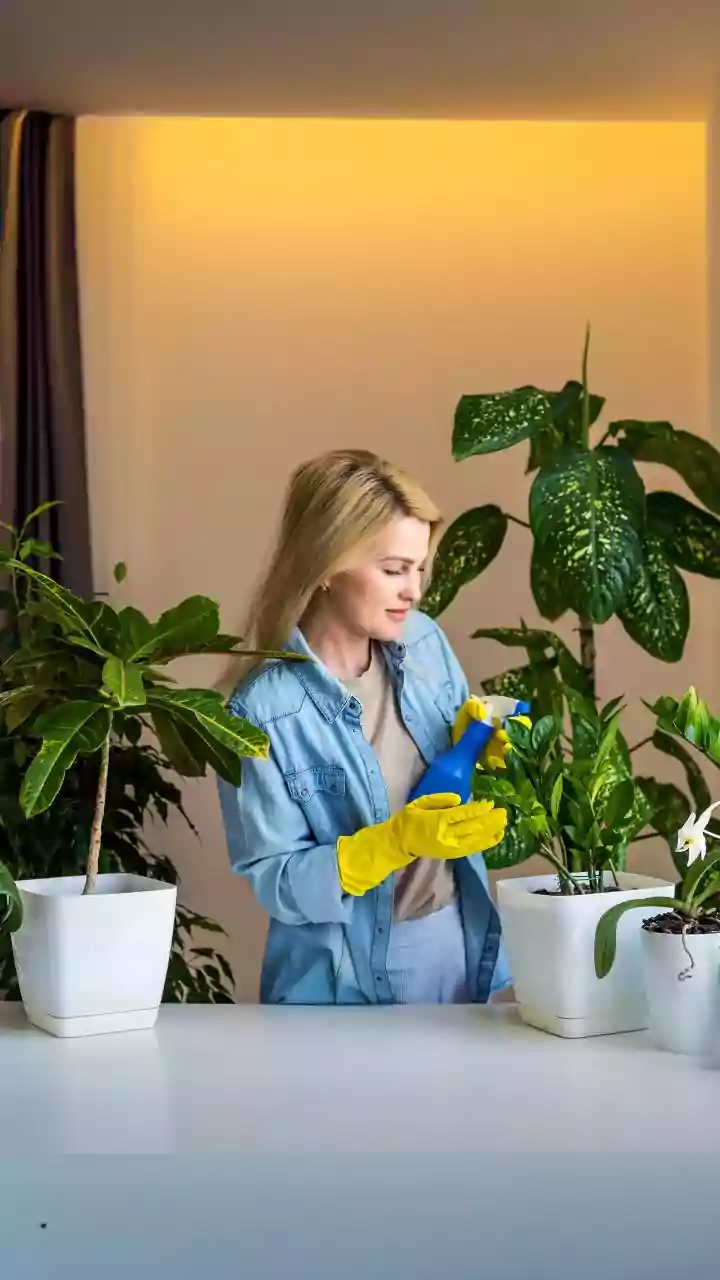
It's a common piece of plant care advice: give your leafy friends a regular misting. But while a gentle spray can feel like a helpful act of kindness, it is no substitute for a proper drink. Here’s why that moisture is better in the soil.
Roots: The Real Drinking Straws
The fundamental
reason misting fails as a watering strategy comes down to basic plant biology. A plant's primary system for absorbing water is its roots. Think of roots as a complex network of tiny straws designed specifically for this purpose. Through a process called osmosis, water moves from the moist soil into the root cells, which have a higher concentration of solutes like salts and sugars. From there, this water—and the vital nutrients dissolved in it—is transported up through the stem via pipe-like vessels called xylem, reaching every part of the plant, including the leaves. This system is how a plant truly hydrates, fuels its growth, and maintains its structure. Watering the soil directly ensures this entire life-sustaining process can happen.
What About The Leaves?
While roots are for drinking, leaves are primarily for breathing and eating. The surfaces of leaves are covered in tiny pores called stomata, which open and close to exchange gases like carbon dioxide and oxygen for photosynthesis. These pores also release water vapour in a process called transpiration, which is what creates the 'pull' that draws water up from the roots. Although leaves can absorb a very small amount of moisture, their waxy outer layer, or cuticle, is designed to prevent water loss, not absorb large quantities of water. Relying on misting to hydrate a plant is like trying to drink a glass of water through your skin—it's simply not an efficient or effective method for most common houseplants.
The Real, Fleeting Benefit of Misting
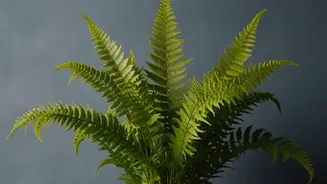
So, is misting completely useless? Not entirely, but its main benefit is widely misunderstood. Misting temporarily increases the humidity in the air immediately surrounding the plant. For tropical plants that evolved in humid rainforests, like ferns, calatheas, and some orchids, this brief spike in moisture can be a welcome relief, especially in dry, centrally heated homes. However, this effect is extremely short-lived, often lasting only a few minutes before the water evaporates and the air returns to its previous state of dryness. Therefore, misting is more of a momentary comfort than a long-term solution for creating a humid environment. A humidifier, grouping plants together, or using a pebble tray filled with water are far more effective strategies for consistently raising ambient humidity.
The Potential Downsides of Misting
Not only is misting an ineffective watering method, but it can also be harmful. When water sits on leaves for extended periods, especially in areas with poor air circulation, it creates an ideal breeding ground for fungal and bacterial diseases like powdery mildew and leaf spot. This risk increases if you mist in the evening, as the water is less likely to evaporate overnight. Furthermore, using hard tap water can leave behind mineral deposits on the foliage once the water evaporates, which can look unsightly and potentially block the leaf's stomata.
The Right Way to Hydrate Your Plant
The best way to ensure your plant is properly hydrated is to focus on its roots. Water the soil thoroughly until you see excess water running out of the drainage holes at the bottom of the pot. This ensures the entire root ball is saturated. Allow the top inch or two of soil to dry out before watering again to prevent overwatering and root rot. For very dry soil, watering from the bottom by placing the pot in a saucer or tub of water for about 30 minutes allows the soil to soak up moisture evenly. Think of it this way: misting is a quick, temporary 'spritz', but a deep watering is the full, satisfying meal your plant truly needs to thrive.