





Beyond the Basics of Digestion
For decades, we’ve associated fibre with one primary job: keeping us regular. While it is excellent at promoting bowel health by adding bulk to stool and preventing constipation, its role is far more profound. [1, 4, 11] The real magic happens deeper
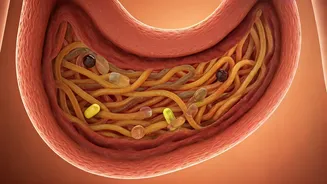
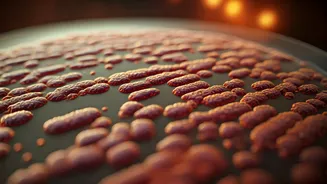
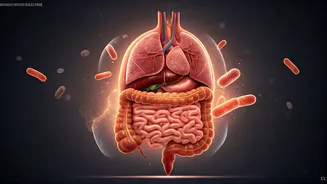
within our digestive system, in the bustling metropolis of our gut microbiome. This complex community of trillions of microorganisms, including bacteria and fungi, lives in our large intestine and is fundamental to our overall health, influencing everything from immunity to mood. [12, 15] And the primary food source for these beneficial microbes is dietary fibre. [12, 22]
Feeding Your Inner Garden
Think of your gut as a garden. Just as plants need the right soil and nutrients to flourish, the 'good' bacteria in your gut need the right fuel. Fibre that feeds these bacteria is known as a prebiotic. [1, 21] Since our bodies can't digest fibre, it passes through the stomach and small intestine largely intact, arriving in the colon ready for fermentation. [13, 21] The beneficial bacteria feast on this fibre, allowing them to grow and multiply. A well-fed microbiome with diverse, healthy bacteria can outcompete harmful microbes, strengthen the gut's protective lining, and support robust immune function. [1, 12]
The Power of Short-Chain Fatty Acids
When gut bacteria ferment fibre, they produce incredibly beneficial compounds called short-chain fatty acids (SCFAs). [7, 8, 9] The three main SCFAs—butyrate, propionate, and acetate—are metabolic powerhouses. [8, 10] Butyrate is the preferred energy source for the cells lining our colon, helping to strengthen the gut barrier and reduce inflammation. [7, 8] Collectively, SCFAs play a crucial role in regulating blood sugar, supporting heart health, and even communicating with the brain via the gut-brain axis. [8, 9, 10] So, a high-fibre diet doesn't just feed your gut; it creates byproducts that benefit your entire body. [6]
Soluble vs. Insoluble: A Dynamic Duo
Not all fibre is the same. It's broadly classified into two types: soluble and insoluble, and both are vital for health. Soluble fibre dissolves in water to form a gel-like substance. [3, 11] It slows digestion, which helps with nutrient absorption and blood sugar control. [3, 15] This type is particularly effective at feeding gut bacteria. [3, 14] Good sources include oats, barley, apples, carrots, and beans. [2, 4] Insoluble fibre does not dissolve in water. It acts like a broom, adding bulk to stool and helping material move through the digestive system. [4, 11] This promotes regularity. You can find it in whole grains, nuts, and the skins of many fruits and vegetables. [3, 4] A healthy diet needs a balance of both for optimal function. [21]
Making Fibre the Hero of Your Plate
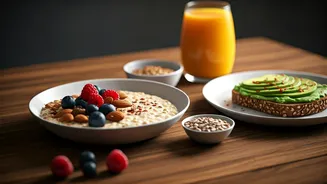
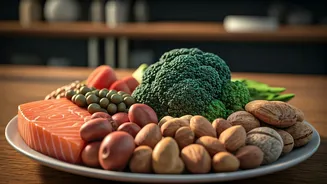
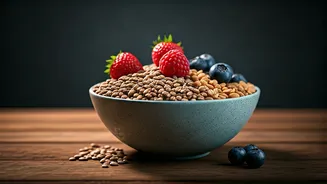
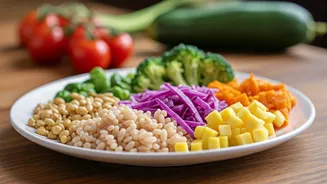
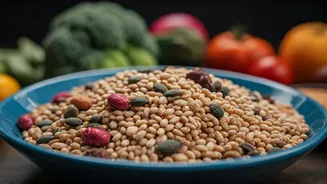
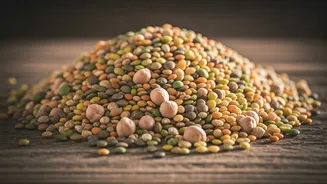
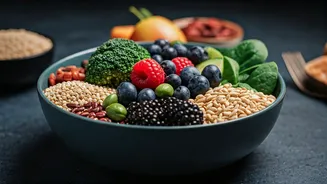
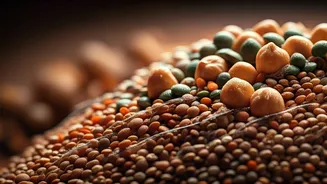
Incorporating more fibre into your diet is simpler than you might think, especially with India's rich culinary traditions. Traditional Indian meals are often naturally high in fibre. [17] Start by choosing whole grains like jowar, bajra, ragi, and whole wheat atta over refined flour. [18] Make pulses and legumes like dal, chana, and rajma a daily staple, as they are powerhouses of both protein and fibre. [5, 16] Aim to eat a variety of colourful, seasonal vegetables and leafy greens, such as spinach, methi, and bhindi. [5, 18] Snacking on whole fruits like guava, apples, and pears (with the skin on) or a handful of nuts and seeds like almonds and flaxseeds can also significantly boost your intake. [2, 18] By focusing on these whole foods, you’ll effortlessly make fibre the hero of your gut health journey.