



An Introduction to Methi
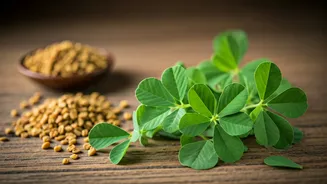
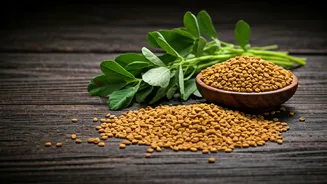
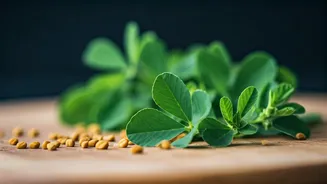
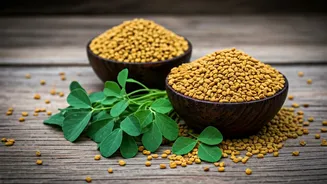
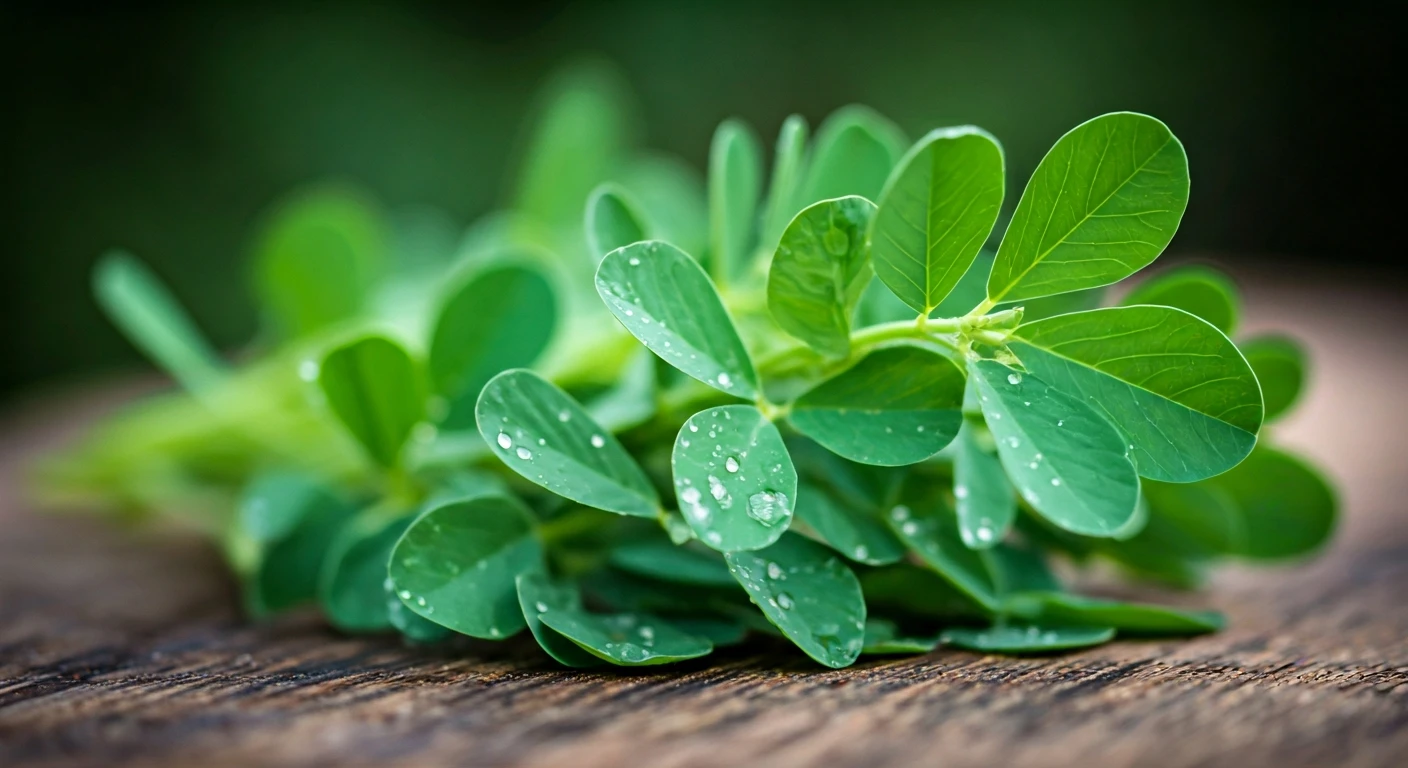
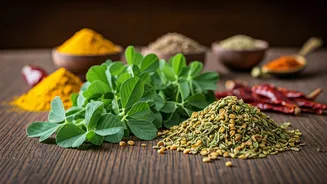
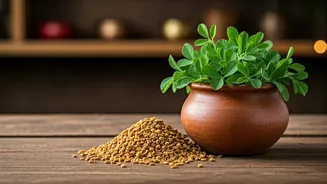
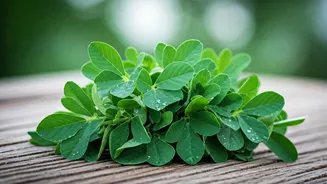
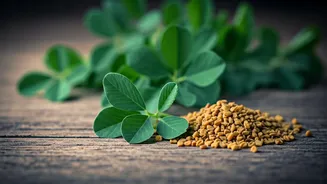
Fenugreek, known as methi in India, is a plant used as both a leafy green vegetable (fresh leaves) and a powerful herb (dried leaves). It’s a staple in many Indian, North African, and Middle Eastern cuisines for good reason. The flavour profile is unique—a
compelling blend of slightly bitter, nutty, and subtly sweet, with an aroma often compared to celery, fennel, or even maple syrup. While fenugreek seeds are a common component in curry powders, the leaves offer a different kind of magic, providing an earthy, aromatic punch that can elevate a simple dish to something truly memorable.
Fresh Leaves vs. Dried Kasuri Methi
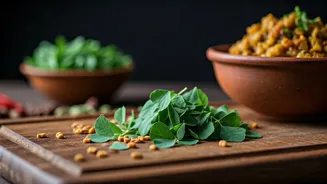
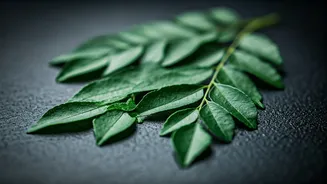
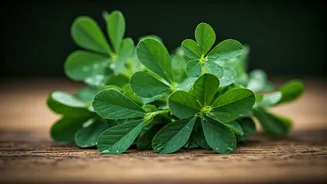
Fenugreek leaves come in two main forms, and they are not always interchangeable. Fresh methi has a more pronounced bitterness and a vegetal, leafy character. It's often used as the star of dishes like Aloo Methi (potatoes with fenugreek) or Methi Chicken, where it's treated like any other leafy green. Dried fenugreek leaves, known as kasuri methi, have a more intense, concentrated aroma and a mellower, earthier flavour. The drying process reduces some of the bitterness and enhances its nutty, slightly sweet notes. Kasuri methi is typically used as a finishing herb, crumbled over rich, tomato-based or creamy curries right at the end of cooking to add a final layer of aroma and complexity.
The Science of a 'Richer' Taste
So, how exactly do these leaves make a curry taste richer? It comes down to balance and complexity. The gentle bitterness of fenugreek leaves acts as a perfect counterpoint to the sweetness of tomatoes or the richness of ingredients like cream, yogurt, or coconut milk. This balancing act prevents heavy dishes from feeling one-note or cloying. Furthermore, the herb's complex, earthy aroma, which is released when heated or crushed, adds a deep, savoury dimension that enhances the other spices in the dish. Think of it as adding a background harmony that makes the entire flavour profile more robust and sophisticated.
Tips for Cooking with Fenugreek
To get the most out of fenugreek leaves, a little technique goes a long way. If you're using fresh methi and are wary of its bitterness, you can reduce it by separating the leaves from the tougher stems, which hold more of the bitter compounds. Soaking the leaves in salt water for about 20-30 minutes or blanching them in water with a squeeze of lemon juice can also help mellow their flavour. For kasuri methi, the magic happens when you crush the dried leaves between your palms just before sprinkling them into a dish. This simple action breaks down the leaves and releases their essential oils, unlocking that signature, irresistible aroma that makes curries taste so authentic. It is often added as a finisher in the last few minutes of cooking.
Perfect Pairings and Classic Dishes
Fenugreek is incredibly versatile and pairs beautifully with a range of ingredients. It is a natural partner for potatoes, lentils (dal), chicken, and paneer. It’s a key ingredient in many beloved North Indian dishes. In rich, creamy curries like Butter Chicken or Paneer Butter Masala, a sprinkle of kasuri methi at the end cuts through the richness and adds a final aromatic flourish. In simpler, homestyle dishes like Aloo Methi, the fresh leaves provide the primary flavour. It's also a fantastic addition to marinades for chicken or paneer and can be kneaded into dough for flavourful flatbreads like parathas and theplas.