






Gear Up: Beyond a Simple Raincoat
Packing for a monsoon trip in the Ghats is about managing sustained moisture. While a raincoat or poncho is essential, think in layers of protection. A poncho is often recommended as it can cover both you and your backpack. Avoid cotton at all costs;
it soaks up water and takes ages to dry. Instead, opt for quick-drying synthetic fabrics for your clothes. Your footwear is critical. Standard sports shoes won't do on slippery, moss-covered rocks and muddy trails. Invest in trekking shoes with a deep, aggressive grip and good ankle support. Waterproof socks can be a lifesaver, keeping your feet dry even if water gets into your boots. Pack everything inside your backpack in separate dry bags or heavy-duty plastic bags. This compartmentalisation ensures that even if your main bag gets damp, your clothes, electronics, and food remain dry. A small, quick-dry towel is far more practical than a bulky cotton one.
On the Road: Driving with Caution
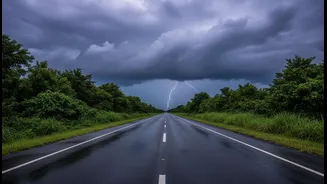
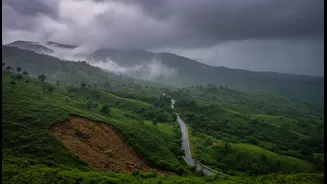
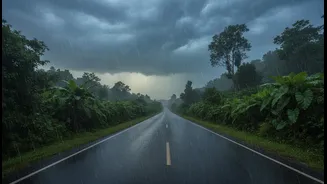
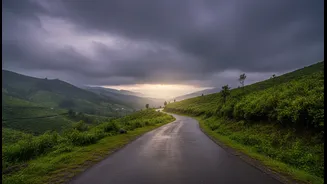
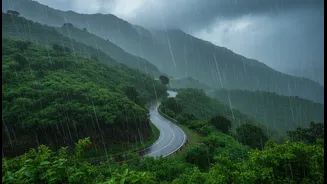
The winding roads of the Ghats are picturesque but demanding, especially in the rain. Before you start, get your vehicle checked thoroughly, paying special attention to tyres, brakes, and wipers. Tyres with good tread are non-negotiable for grip on slippery roads. On the road, the golden rule is to slow down. Wet roads significantly increase your braking distance. Maintain a much larger gap than usual between you and the vehicle ahead. Use low gears when driving downhill to avoid overheating your brakes. Be extremely vigilant for fallen rocks or small landslides, common hazards during heavy downpours. If visibility drops severely, it's safer to pull over at a secure spot and wait for the rain to subside. Avoid driving through large puddles or flowing water, as you can't be sure of their depth or the road condition underneath.
Health and Safety: Leeches, Water, and First Aid
The damp, verdant landscape is also a perfect breeding ground for some unwelcome companions. Leeches are common in forest areas; wearing leech-proof socks or tucking your trousers into your regular socks can help. Always carry a well-stocked first-aid kit. It should include antiseptic, bandages for cuts and scrapes, pain relievers, blister pads, and any personal medications. Given the humidity, fungal infections can be a problem, so including an antifungal powder is a wise move. Never assume that stream water is safe to drink, no matter how clear it looks. Carry your own water or a reliable water filter or purification tablets. Mosquitoes are another nuisance, so a strong insect repellent is a must-have. Staying hydrated is also crucial, as the high humidity can make you sweat and lose electrolytes faster than you realise; carrying ORS sachets can be very helpful.
Stay Informed: Check Conditions Before You Go
Conditions in the Ghats can change rapidly. The India Meteorological Department (IMD) has forecast moderate rainfall over the Western Ghats districts through mid-July 2026. However, local intensity can vary. Always check the latest local weather forecasts and advisories before and during your trip. Landslides are a real risk in this region, often triggered by intense rainfall on saturated slopes. Many areas are prone to these events, so it's vital to know if your intended route or destination is considered vulnerable. Inform a friend or family member about your detailed itinerary and your expected return time. This is a simple but crucial safety step, especially if you are trekking or heading to a remote area with poor connectivity. Always have emergency numbers for the local district and forest departments saved on your phone.