





What Exactly Are Ultra-Processed Foods?
The term goes beyond simple 'packaged food'. According to the widely used NOVA classification system, foods are grouped by their level of processing. Group 1 is unprocessed or minimally processed foods like vegetables, fruits, and fresh meat. Group 4,
the ultra-processed category, includes industrial formulations with five or more ingredients that you wouldn't typically find in a home kitchen. These are not just foods that have been altered, but products created with ingredients extracted from other foods, such as hydrogenated fats, protein isolates, and high-fructose corn syrup, along with additives like artificial colours, flavours, and emulsifiers. Think of it this way: a whole potato is unprocessed. French fries made in your kitchen are processed. Frozen, pre-formed, mass-produced fries designed for a year-long shelf life are ultra-processed.
Common Culprits in Indian Kitchens
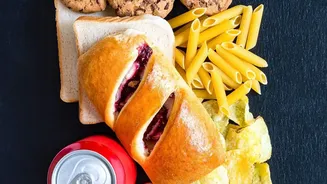
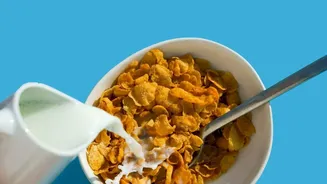
The rise of UPFs is a global phenomenon, and India is no exception. While we might think of burgers and fries, many items common in Indian households fall into this category. These include instant noodles, packaged sweet and savoury snacks (namkeen), sugary biscuits and cookies, and sweetened breakfast cereals. It also covers many ready-to-eat meals, frozen snacks, and 'health drinks' laden with sugar and additives. Even items that seem relatively simple, like commercially produced bread, butter, and some sauces, can be classified as ultra-processed due to the industrial ingredients used to improve shelf life and texture. The convenience and aggressive marketing of these products have made them staples in many urban homes.
The Core Findings of the New Research
Recent studies presented at major medical conferences add powerful evidence to existing concerns. One major study found that individuals consuming high amounts of UPFs had a significantly higher risk of major cardiac events like heart attacks and strokes. The research, presented at the American College of Cardiology's annual session, showed that people eating more than nine servings of UPFs per day were 67% more likely to suffer these events compared to those eating just one. Crucially, the risk isn't just for heavy consumers; each additional daily serving was linked to a more than 5% increase in risk. These findings reinforce a growing consensus that links high UPF consumption to a range of non-communicable diseases, including obesity, type 2 diabetes, and certain cancers.
More Than Just Empty Calories
For a long time, the focus was on the high sugar, salt, and fat content of these foods. While that's a huge part of the problem, scientists now believe the issue is far deeper. The very nature of industrial processing itself may be harmful. UPFs are often stripped of fibre and essential micronutrients. Furthermore, they introduce a cocktail of additives like emulsifiers, thickeners, and preservatives into our diets. Emerging research suggests these additives can disrupt the delicate balance of our gut microbiota, increase intestinal inflammation, and potentially impair the gut barrier, which is crucial for a healthy immune system.
Engineered for Overconsumption
If you’ve ever found it impossible to eat just one chip or biscuit, you’re not alone. Ultra-processed foods are often described as 'hyper-palatable'. Manufacturers spend millions to engineer the perfect combination of salt, sugar, fat, and texture to maximise pleasure and override the body's natural signals of fullness. These refined carbohydrates and fats can activate the reward centres in our brain in a way that is similar to addictive substances like nicotine. This can lead to strong cravings, loss of control over consumption, and a cycle of overeating that contributes to weight gain and metabolic disease.
Making Smarter, Healthier Choices
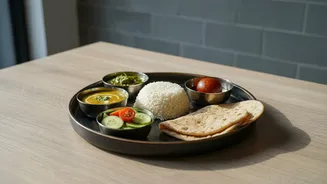
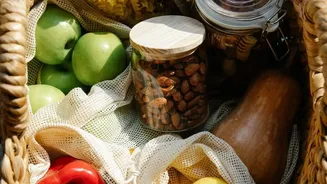
Cutting out ultra-processed foods entirely can feel overwhelming and unrealistic for many. A more sustainable approach is to focus on reduction and making informed swaps. Start by reading ingredient labels. If the list is long and contains multiple unrecognisable chemical names, it's likely a UPF. Prioritise whole and minimally processed foods — think fresh vegetables, fruits, dals, legumes, whole grains, and fresh cuts of meat and fish. Cooking more meals at home from scratch is one of the most effective ways to control what goes into your food. It’s not about perfection or feeling guilty, but about building awareness and gradually shifting the balance on your plate towards more nutritious, whole foods.