




A New Chapter for Old Stories
For years, many handloom textiles and intricate prints were stereotyped as treasures reserved for weddings or passed down from grandmothers. But today, a fresh perspective is taking hold, driven by a young, digitally-native audience. This shift isn't
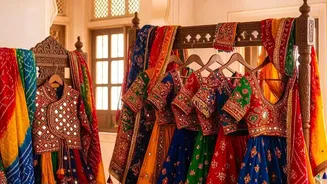
just about fashion; it's a cultural movement. There's a growing desire for authenticity and sustainability, a reaction against the uniformity of fast fashion. Consumers, particularly Gen Z and millennials, are seeking clothes that tell a story and express individuality. This has sparked a renaissance for traditional crafts, making them relevant to contemporary life. Designers are tapping into this sentiment, creating pieces that feel both personal and deeply rooted in Indian culture.
From Traditional Weaves to Modern Wear
The magic lies in the translation. Instead of replicating traditional garments, designers are deconstructing heritage motifs and applying them to modern silhouettes. The geometric rigour of Ajrakh, a block-printing craft from Gujarat and Rajasthan, now appears on oversized jackets, shirts paired with denim, and relaxed co-ord sets. Kalamkari, the 'pen craft' of Andhra Pradesh known for its narrative illustrations, finds new life on minimalist dresses and contemporary blouses. Weaves like West Bengal's delicate Jamdani and the featherlight Chanderi silk are being fashioned into everything from bomber jackets to chic separates, often styled with sneakers for an urban edge. The focus is on wearability, convenience, and versatility, transforming these crafts from ceremonial heirlooms into everyday expressions of style.
The Digital-First Artisans
This movement is powered by a new wave of digital-first brands that have mastered the art of online storytelling. Labels like trueBrowns, Saundh, and Jaypore have built their businesses by making heritage-inspired fashion accessible to a global audience online. They use platforms like Instagram not just to sell, but to educate consumers about the painstaking process behind each piece—from the natural dyes used in Ajrakh to the hand-painting of Kalamkari. Brands like Raw Mango and 11.11 / eleven eleven have become globally recognised for their ability to make textiles like Chanderi silk and hand-spun khadi feel profoundly modern. These digital-native companies bridge the gap between artisan clusters in places like Kutch and the modern consumer, ensuring that these centuries-old skills are not just preserved but can thrive in the digital economy.
Conscious Choices and Cultural Appreciation
This revival is deeply intertwined with the slow fashion movement and a push for ethical production. As consumers become more aware of the environmental and human cost of fast fashion, they are drawn to the sustainability inherent in many traditional Indian crafts. These processes often use natural dyes and hand-powered techniques, representing a more conscious way to produce and consume clothing. However, this trend also brings the responsibility of ensuring that artisan communities are given credit and fair compensation. The most successful brands in this space are those that foster direct, collaborative relationships with their weavers and block-printers, ensuring that the hands that create the craft benefit from its newfound popularity. This approach turns a piece of clothing into a vehicle for cultural preservation and economic empowerment.