





The Wisdom Behind the Shravan Diet
The dietary customs of Shravan, or Sawan, are deeply connected to Ayurvedic principles and the monsoon season. According to Ayurveda, the monsoon (Varsha Ritu) is when our digestive fire, or 'agni', is at its weakest. The increased humidity can slow metabolism
and make the body more susceptible to imbalances and illness. Therefore, the traditional diet focuses on 'satvik' foods—those that are pure, light, and easy to digest. This means avoiding 'tamasic' foods like onion, garlic, non-vegetarian items, and heavily processed or oily foods, which are believed to be heavy on the system and hinder spiritual focus. The goal is to reduce the load on your gut, allowing the body to cleanse and feel more energetic.
Embrace Monsoon's Bounty: Vegetables and Fruits
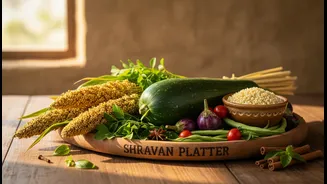
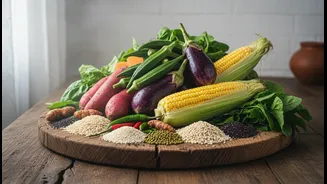
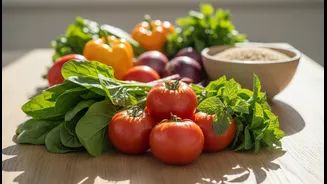
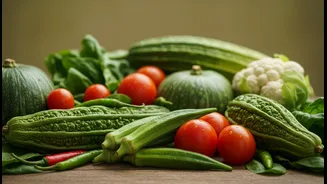
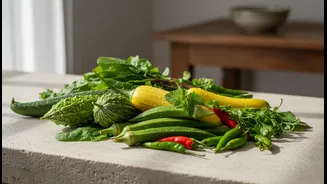
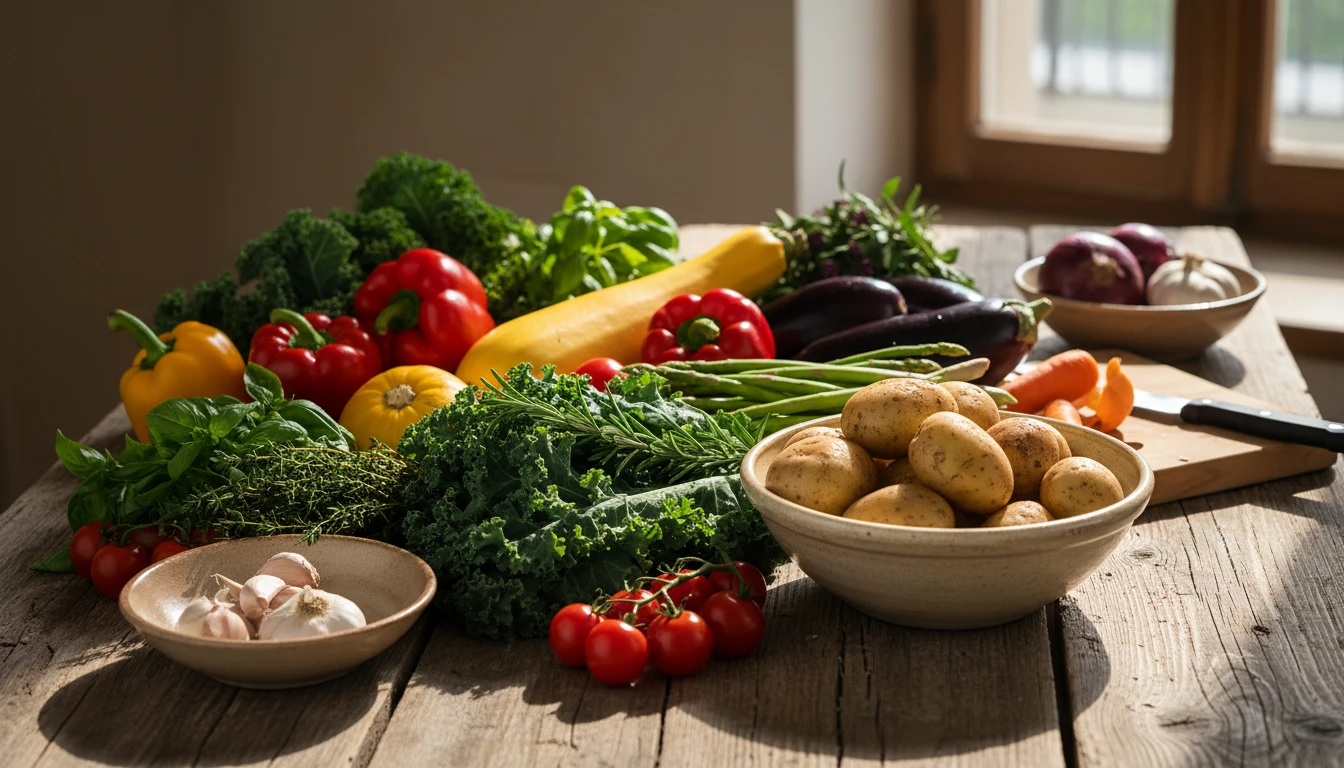
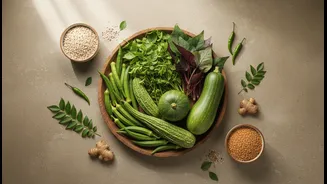
Building a Shravan plate begins with seasonal produce. Monsoon vegetables are typically those that are light and have high water content. Gourds are a highlight of this season, including bottle gourd (lauki), ridge gourd (toori), and snake gourd (chichinda). Root vegetables like potatoes, sweet potatoes, and yams are also widely consumed as they provide sustained energy. While many leafy greens are avoided due to a higher risk of contamination from mud and insects during the rains, cooked vegetables are preferred over raw salads. When it comes to fruits, opt for seasonal offerings like pears, jamun (Java plum), and peaches. Bananas and apples are excellent year-round options that provide essential nutrients and fibre.
Light Grains and Flours
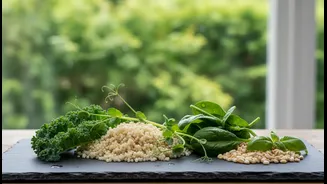
During Shravan, heavy grains like wheat and rice are often replaced with lighter, gluten-free alternatives that are easier to digest. Popular choices for fasting (vrat) include amaranth (rajgira), buckwheat (kuttu), water chestnut flour (singhara atta), and barnyard millet (samak rice). These can be used to prepare a variety of dishes, from puris and rotis to dosas and cheelas. Another staple is Sabudana (tapioca pearls), a versatile ingredient used to make comforting khichdi, crispy vadas, or sweet kheer. These grains provide the necessary carbohydrates for energy without overburdening the digestive system.
Dairy, Spices, and Seasonings
Dairy products like milk, yogurt (curd), and paneer are permitted and provide essential protein and calcium. However, it's advised to consume them in moderation. Simple spices are key to flavouring Shravan meals. Rock salt (sendha namak) is used instead of regular table salt as it is considered purer and is unprocessed. Spices that are allowed include cumin (jeera), black pepper, green cardamom, cinnamon, and fresh ginger, which aid digestion. On the other hand, 'heating' spices like turmeric, mustard, and asafoetida (hing) are generally avoided.
Wholesome Shravan Meal Ideas
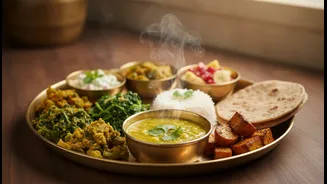
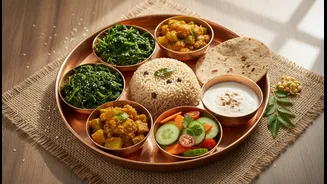
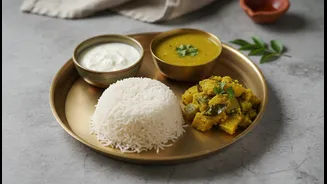
Putting it all together is simple and delicious. For a main meal, you could prepare a simple potato curry (Aloo ki Sabzi) using rock salt and cumin, paired with Kuttu ki Puri (buckwheat flatbreads). A comforting bowl of Sabudana Khichdi, tossed with roasted peanuts and potatoes, is a classic one-pot meal. For a lighter option, a Samak Rice Pulao with permissible vegetables is both filling and nutritious. You can also make a refreshing fruit chaat or a creamy Makhana Kheer (fox nut pudding) for a healthy dessert. These recipes are designed to be nourishing, flavourful, and in harmony with the spirit of the season.