







From Digital Closets to AI Stylists
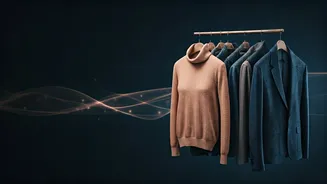
For years, the most advanced form of outfit planning involved digitally cataloging your wardrobe. Apps like Cladwell and Pureple allowed users to upload photos of their clothes to create a virtual closet. [9, 16] This was a significant step up from guesswork,
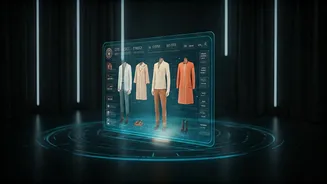
helping people see what they owned and create combinations without pulling everything onto the floor. [16] But this was largely a closed system. You could plan outfits from what you owned, but it didn't solve the problem of identifying what you might genuinely need. Now, artificial intelligence is transforming these digital closets into personal stylists. [6] These new systems don't just organize; they analyze and recommend. By using AI, apps can now generate outfit suggestions based on your existing clothes, the weather, and even your daily schedule. [17]
The 'Smart Shopping' Connection
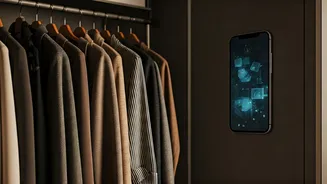
The true rebrand lies in bridging the gap between your closet and the online store. Today's smartest wardrobe apps do more than just style you; they help you shop with intention. [8] Powered by AI, they analyze your wardrobe to identify “gaps”—missing pieces that could unlock dozens of new outfits. [18] Instead of you endlessly browsing, the app proactively suggests specific items for purchase that complement what you already own. [3] This creates a powerful feedback loop: your closet informs your shopping, and your shopping enhances your closet. This evolution turns the passive act of outfit planning into an active, intelligent form of personal curation, moving from impulse buys to purposeful additions. [2, 5]
How the Technology Works
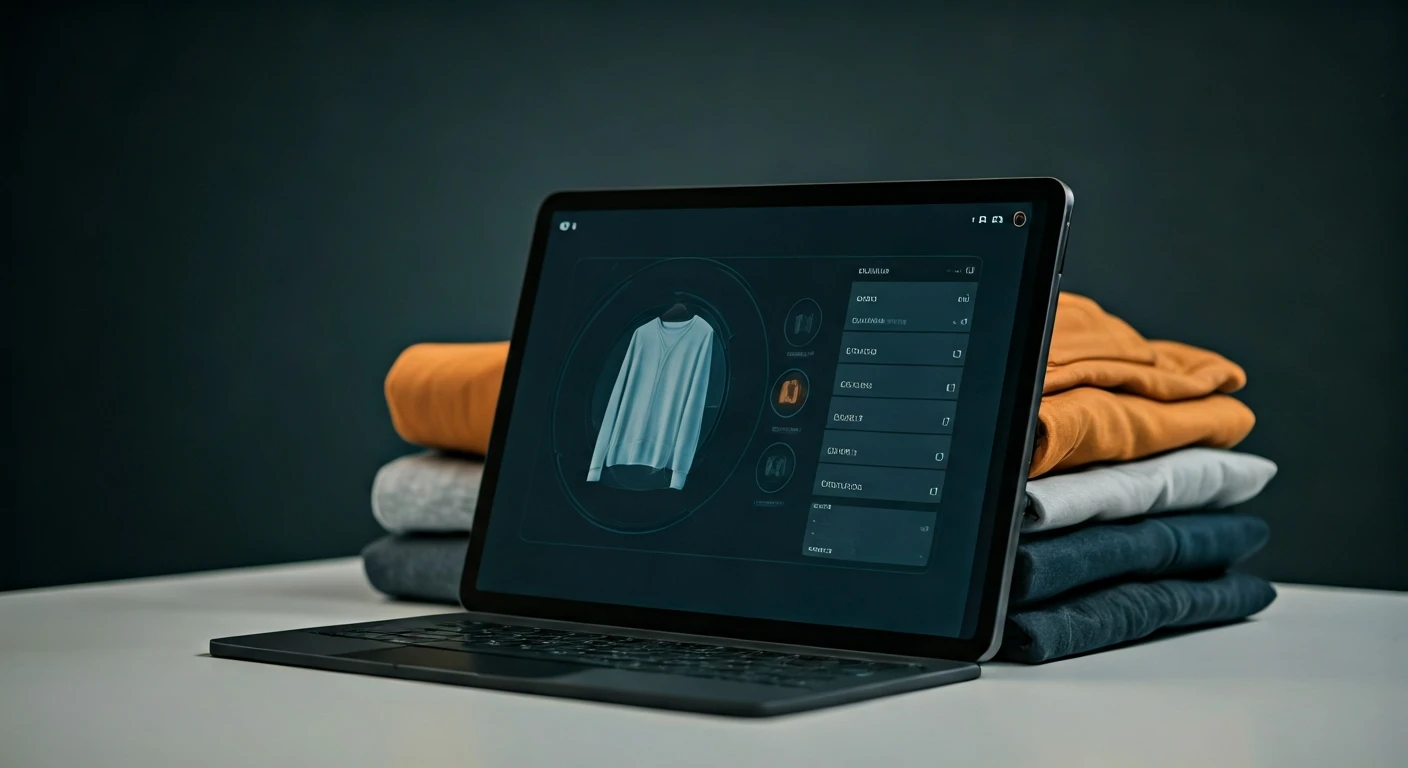
The engine behind this shift combines several technologies. It starts with computer vision, which allows apps to automatically remove the background from your clothing photos and tag items by category, color, and even style. [17, 10] Many apps also feature integrations with retailers, allowing you to import past purchases directly into your digital closet. [15, 17] Machine learning algorithms then get to work, analyzing your wardrobe data, your wear patterns, and your style preferences. [5] The most advanced platforms, like Alta and Style DNA, even offer personalized advice on which colors and silhouettes best suit you, making their shopping recommendations feel less like an ad and more like genuine style advice. [19, 20]
The Benefits Beyond a Better Outfit
While the immediate benefit is solving the “what to wear” problem, the impact of this smart shopping rebrand is much broader. Firstly, it champions sustainability. By helping you make better use of what you own and only buy what you need, these apps discourage the fast-fashion cycle of impulse purchases and overflowing landfills. [4, 6] Many apps now include features to track cost-per-wear, giving you tangible data on whether your purchases are a good investment. [11] Secondly, it's a powerful budgeting tool. By avoiding duplicate purchases and ill-fitting impulse buys, users can save significant money. [8] Finally, it helps you develop a true sense of personal style. By understanding what you wear most and what truly works for your lifestyle, these tools empower you to build a wardrobe that is not just full, but functional and uniquely you.