


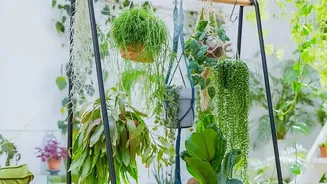

The Monsoon Challenge in Balcony Gardens
The Indian monsoon is a welcome relief from the summer heat, but it poses unique challenges for urban gardeners. Unlike gardens on the ground, balconies have limited space and drainage capacity. Heavy rainfall can quickly overwhelm pots, leading to waterlogged
soil where roots can't breathe. This creates a perfect environment for root rot, fungal diseases, and pests. Beyond harming your plants, constant dampness from overflowing pots and seepage can damage your balcony's floor and walls, causing paint to peel, encouraging mould growth, and potentially leading to structural issues.
Understanding Vertical Waterproofing
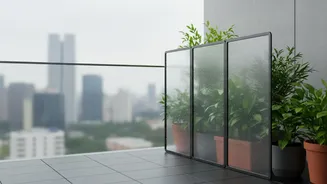
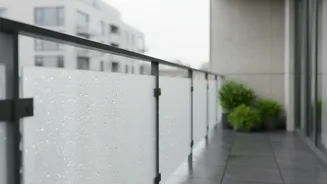
The headline mentions "vertical waterproofing shields," which might sound technical. In simple terms, this refers to creating a protective, waterproof barrier on the wall behind your planters. Instead of just focusing on the pot's drainage hole, this approach aims to manage water at the source and protect your building's structure. Think of it as a backsplash for your garden. It prevents water that splashes from pots or seeps from the back of planter boxes from being absorbed by the wall, guiding it downwards towards the floor and drains.
Implementing Your Waterproof Shield
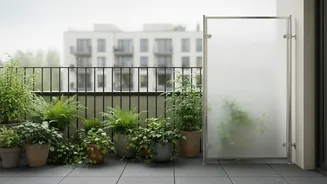
Creating a vertical shield can be a simple DIY project or a more professional installation. The core idea is to place a waterproof material between your planters and the balcony wall. For a simple solution, heavy-duty tarpaulin or thick PVC sheets can be cut to size and fixed to the wall behind the plant arrangement. For a more permanent and aesthetically pleasing option, you can install waterproof panels, similar to those used in bathrooms, or apply a specialised waterproof paint or sealant to the wall. Companies offer liquid-applied membranes that cure to form a seamless, durable barrier.
DIY Options for a Quick Fix
You don't need to spend a fortune to protect your walls. A large, corrugated plastic sheet, available at most hardware stores, can be propped up behind your row of pots. Another effective method is using jute mats or bamboo screens, which not only act as a barrier but also protect plants from harsh wind. While these may not be 100% waterproof, they absorb the initial splash and reduce the amount of water hitting the wall directly. For best results, ensure there is a small air gap between the shield and the wall to prevent moisture from getting trapped.
Combining Shields with Smart Drainage
A vertical shield works best as part of a complete drainage strategy. The number one rule for monsoon gardening is to ensure your pots have clear drainage holes. Elevating your pots is crucial. Placing them on pot stands, bricks, or even simple pot feet allows water to escape freely and air to circulate underneath, preventing the pot from sitting in a puddle. This simple step lifts the pot's drainage hole away from the flat surface of the balcony floor, which can otherwise block water from escaping. During heavy rains, also remember to remove the water-collecting saucers that you might use in drier months.
Additional Tips for a Thriving Monsoon Garden
Beyond waterproofing, a few other adjustments can make a huge difference. Use a well-draining potting mix, typically a combination of soil, cocopeat, and perlite, which prevents the soil from becoming a dense, muddy block. Avoid overcrowding your plants; good air circulation is essential to prevent fungal infections that thrive in humid conditions. Finally, check your plants regularly. Look for early signs of distress like yellowing leaves or a sour smell from the soil, which can indicate waterlogging, and take corrective action immediately.