





Understanding India’s ‘Hidden Hunger’
India faces a profound paradox: it is a major food producer, yet a significant portion of its population, especially women and children, suffers from malnutrition. This isn't just about a lack of calories; it's about a lack of essential micronutrients.
This condition is known as 'hidden hunger'—a deficiency in vital vitamins and minerals like iron, zinc, and vitamin A. It’s 'hidden' because a person can consume enough food to feel full but still be malnourished, leading to severe long-term health consequences like stunted growth, impaired cognitive development, and increased vulnerability to disease. Studies have revealed alarming rates of deficiency across the country. For example, over half of all children and women are estimated to be anaemic, largely due to iron deficiency. This silent epidemic undermines the nation's health, productivity, and future.
The Legacy of the Monoculture Model
To understand the roots of this problem, we have to look back at the Green Revolution. While this movement was successful in making India self-sufficient in food grains by promoting high-yielding varieties of rice and wheat, it had an unintended consequence. It encouraged a shift towards monocropping, where vast farmlands were dedicated to these two staples. As a result, the cultivation of traditionally grown, nutrient-dense crops like millets, pulses, and diverse local vegetables declined sharply. This agricultural simplification led to a dietary simplification. While plates were filled with rice and wheat, the rich variety of micronutrients once provided by a more diverse food basket began to disappear from rural diets, contributing directly to the problem of hidden hunger.
Diversity on the Plate, Nutrition in the Body
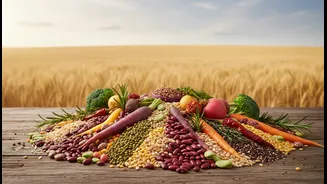
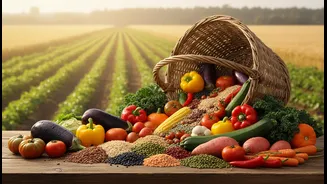
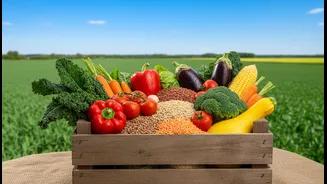
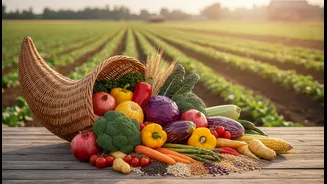
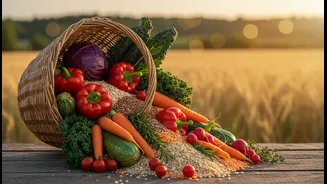
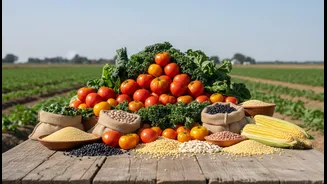
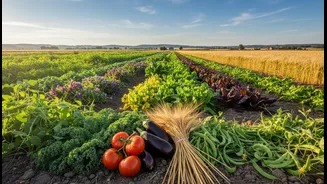
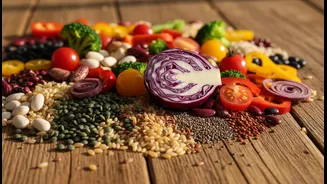
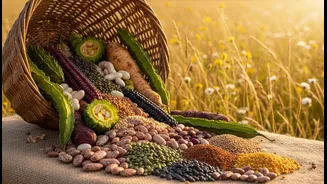
This is where crop diversity re-enters the picture as a powerful solution. Promoting a wider variety of crops means reintroducing vital nutrients into the national diet. Millets, for instance—often called 'nutri-cereals' like ragi, bajra, and jowar—are storehouses of calcium, iron, and fibre. Pulses are rich in protein and amino acids. Local green leafy vegetables and traditional tubers offer a spectrum of vitamins and minerals that staple cereals alone cannot provide. When farmers grow a variety of crops, that diversity naturally translates to the food available in local markets and on family plates. This 'farm-to-fork' approach is a direct and sustainable way to enhance micronutrient security, fighting hidden hunger from the ground up by making nutritious food more accessible and affordable.
Building Resilience on the Farm
The benefits of crop diversity extend beyond nutrition to create stronger, more resilient farms. Monoculture systems are incredibly vulnerable. A single pest, disease, or extreme weather event like a drought can wipe out an entire harvest, leading to financial ruin for farmers. In contrast, a diversified farm is like a well-balanced investment portfolio. Different crops have different tolerances to pests, water stress, and temperature changes. If one crop fails, others may survive, providing a crucial safety net for the farmer's income. Furthermore, practices like intercropping (planting different crops together) can improve soil health, reduce erosion, and naturally manage pests, decreasing the reliance on costly chemical fertilisers and pesticides. This ecological resilience translates directly into economic stability for India's small and marginal farmers.
The Path Forward: Reviving Agricultural Heritage
Recognising these immense benefits, there is a growing movement across India to revive crop diversity. Government initiatives like the National Food Security Mission are actively promoting the cultivation of nutri-cereals. State-level efforts, such as the Odisha Millet Mission, have shown remarkable success in reviving millet cultivation, improving farmer incomes, and reintroducing these grains into public nutrition programmes. Simultaneously, agricultural research institutions are developing biofortified versions of staple crops, which are conventionally bred to have higher micronutrient content, adding another tool in the fight against hidden hunger. By supporting farmers who cultivate traditional crops and creating stronger market linkages for their produce, we can create a virtuous cycle that benefits both producers and consumers.