





1. Sunder Nursery: A Heritage Haven
Next to Humayun's Tomb lies the beautifully restored Sunder Nursery, a 90-acre park that is as much a historical site as it is a biodiversity hotspot. This UNESCO-recognized site, with its mix of water bodies, gardens, and over 300 tree species, has become
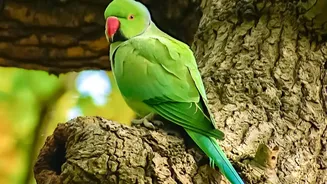
a magnet for birdlife. Over 80 bird species have been recorded here, including resident favourites like the Indian grey hornbill, purple sunbird, and the vibrant white-throated kingfisher. Its well-maintained paths and diverse microhabitats—replicating Delhi's original riverine and marshy landscapes—make for an easy and rewarding birding experience. Look out for flocks of rose-ringed parakeets and the distinctive call of the brown-headed barbet.
2. Lodhi Garden: Birds Among Tombs
One of Delhi’s most beloved green spaces, Lodhi Garden combines 15th-century architecture with lush, sprawling lawns. This 90-acre park is not just for morning walkers; it's a vibrant ecosystem supporting over 160 bird species. The mix of dense foliage and open water bodies attracts a wide variety, from common residents like the jungle babbler and oriental magpie-robin to raptors like the black kite circling overhead. Near the central water body, you can often spot Indian spot-billed ducks and Indian pond herons. During winter, the garden also welcomes migratory species like the greenish warbler and taiga flycatcher, adding to its year-round appeal.
3. Okhla Bird Sanctuary: A Wetland Wonderland
Situated where the Yamuna River enters Uttar Pradesh, the Okhla Bird Sanctuary is a critical wetland habitat spanning roughly four square kilometres. It is a designated Important Bird Area in India, home to over 320 species. The sanctuary truly comes alive in winter (November to March), when thousands of migratory birds arrive from Central Asia, Siberia, and Europe. During this season, the wetlands teem with waterfowl like the northern shoveler, gadwall, and the stunning bar-headed goose. Even during the summer, resident species such as the purple swamphen and various kingfishers make it a worthwhile visit for any bird enthusiast.
4. Yamuna Biodiversity Park: A Restoration Success Story
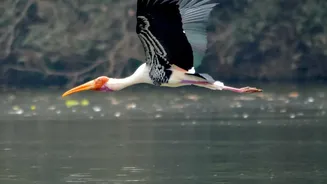
Once a patch of barren land, the Yamuna Biodiversity Park near Wazirabad is a remarkable example of ecological restoration. Spread over 457 acres, it has been developed to recreate the lost ecosystems of the Yamuna's floodplains. The park now boasts thriving wetlands and forests that shelter a rich variety of life. It is a haven for both resident and migratory birds. Visitors can spot painted storks, red-crested pochards, and cormorants in the wetlands, especially during the winter migration season. Because the park is a carefully managed ecosystem, visits are often guided, which provides a fantastic opportunity to learn about the local flora and fauna from experts.
Tips For Your Birding Adventure
To make the most of your birdwatching trip in Delhi, a little preparation goes a long way. The best time for birding is early in the morning, just after sunrise, when birds are most active. The peak season, especially for migratory birds, is during the winter months from November to March. Equip yourself with a good pair of binoculars, a field guide to Indian birds, and a notebook to log your sightings. Patience is key; find a quiet spot and wait for the birds to reveal themselves. Always be respectful of the environment—avoid loud noises, do not litter, and never disturb nesting birds. Many parks also host guided bird walks, which are an excellent way for beginners to get started.