



A Shift in the Chocolate World
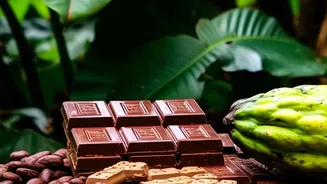
For years, the story of fine chocolate was rooted in places like Africa and South America, while India's market was dominated by mass-produced confectionery. But a global movement towards 'bean-to-bar' chocolate has changed the conversation. Artisanal
makers are now looking beyond traditional sources, seeking unique flavour profiles and direct relationships with farmers. This quest has led them to the tropical hills of South India, a region quietly cultivating cocoa since the 1960s but only now gaining recognition for its quality. Discerning consumers and chefs are increasingly prioritising origin and craft, creating the perfect climate for Indian cocoa to emerge from the shadows.
The Terroir of the Deccan
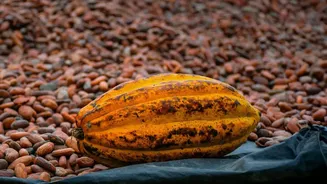
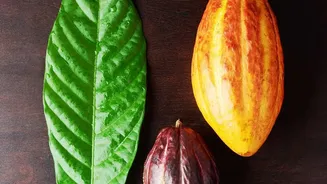
What makes South Indian cocoa so special is its terroir—the unique environment where it's grown. Unlike the monoculture plantations found elsewhere, cocoa in states like Kerala, Karnataka, and Tamil Nadu is often intercropped. The beans grow in the shade of coconut, areca nut, and banana trees, alongside fragrant spices like pepper, cardamom, and nutmeg. This agroforestry system not only enhances soil health but also subtly influences the flavour of the cocoa beans. The lush, monsoon-fed climate of regions like the Idukki hills in Kerala and the Anamalai foothills in Tamil Nadu provides the ideal conditions—abundant rain, humidity, and sunshine—to produce beans with exceptional character.
A Uniquely Indian Flavour Profile
So, what does it taste like? South Indian cocoa is celebrated for its remarkable complexity. While beans from one farm might have bright, fruity notes of raisin, cherry, or green apple, others can exhibit spicy undertones of black pepper and cardamom. Thanks to the unique growing conditions, chocolatiers can craft bars that are anything but one-note. Brands like Soklet, India's first tree-to-bar maker, and Mason & Co, a pioneer in organic chocolate, have won international acclaim by highlighting these nuanced flavours. This diversity allows for a distinctly Indian chocolate experience, moving away from a uniform taste and towards one that reflects the specific origin of the bean.
From Farm to Bar
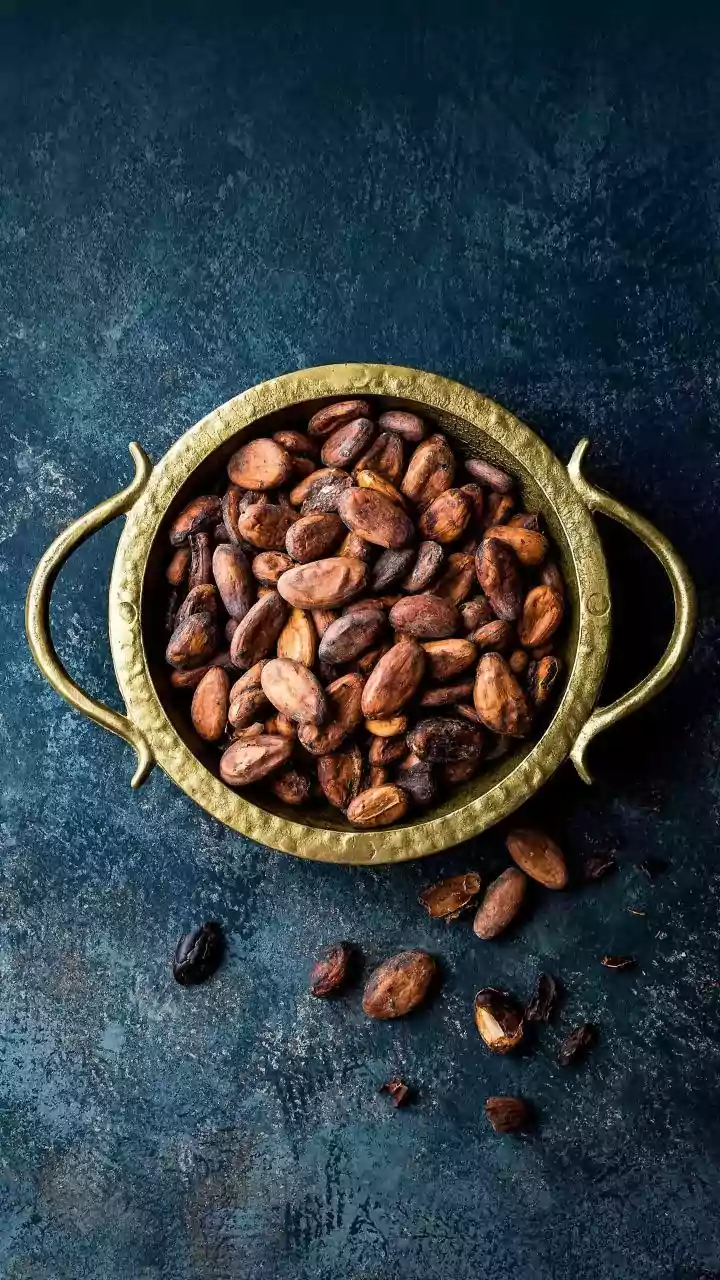
The rise of South Indian cocoa is also a story about people. A new generation of farmers is shifting focus from quantity to quality, employing better fermentation and drying techniques to command a higher price. They work in close partnership with chocolatiers, who control every step of the process—from roasting and grinding to tempering—to ensure the final bar expresses the true character of the bean. This bean-to-bar approach fosters transparency and ethical sourcing, often ensuring farmers are paid a premium. Brands like Mason & Co are even known for their all-female workforce in the factory, empowering local communities. This community-first approach has become a hallmark of India's craft chocolate movement.
A Taste of Homegrown Pride
For consumers, choosing a chocolate made with Indian single-origin cocoa has become an act of homegrown pride. In a market once dominated by imported brands, consumers now have access to world-class chocolate that is proudly Indian. Artisanal makers are not just replicating foreign styles; they are creating products that resonate with a local palate, infusing bars with nostalgic flavours like masala chai or regional fruits. This has moved premium chocolate from a novelty purchase to a repeat indulgence for a growing number of enthusiasts. The movement is still young, but it represents a powerful shift—reimagining chocolate not as a foreign luxury, but as an expression of India's own rich agricultural landscape.