
An Open-Air Gallery in the Himalayas
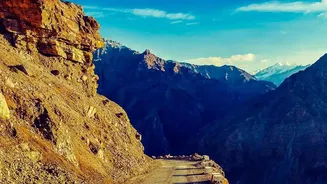
Forget traditional museums and enclosed galleries. For ten days in August, Ladakh is hosting the sā Ladakh Biennale, billed as the world's highest regenerative art exhibition. This ambitious project turns a vast stretch of the historic Leh to Kargil route
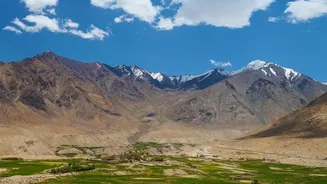
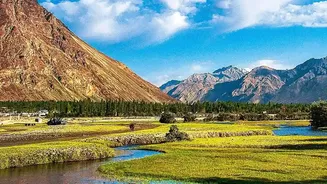
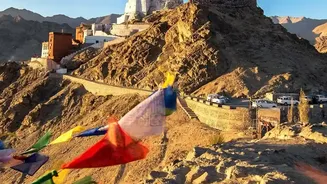
into an immersive art trail. The landscape itself—from ancient monasteries to remote villages and high-altitude valleys—serves as the canvas. The biennale is free for all visitors, though registration is required to access the installations spread across eight distinct locations. Organizers aim to offer a unique journey that weaves together modern creativity, local tradition, and environmental consciousness in one of the planet's most stunning settings.
Art with a Regenerative Mission
This is more than just art for art's sake. The sā Ladakh Biennale is centered around the concept of 'regenerative art'. This means the installations are designed not merely to avoid harming the environment, but to actively engage with it. Artists from Ladakh, other parts of India, and around the world have created works using locally sourced, biodegradable, and recycled materials. The installations are intended to interact with the landscape rather than dominate it, sparking conversations about sustainability, ecology, and the deep connection between Ladakh's communities and their fragile environment. The name 'sā' itself means 'soil' in the Ladakhi language, reflecting the event's deep connection to the land.
A Journey Through Culture and Community
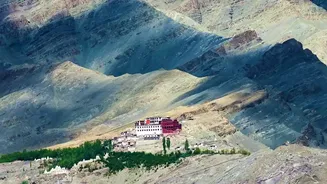
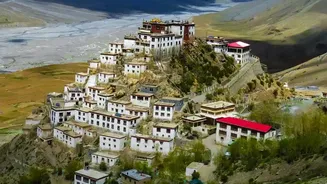
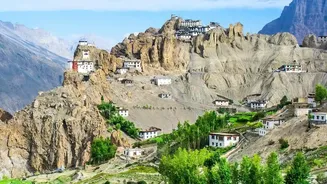
The 200-kilometre trail is strategically plotted to guide visitors beyond the usual tourist spots, encouraging a deeper, slower form of travel. The art is located in eight key areas: Leh, Kargil, Lamayuru, Basgo, Likir, Nurla, Mulbekh, and Hunderman. This route connects some of Ladakh's most culturally and historically significant sites. Visitors might find an installation against the backdrop of an ancient monastery in Lamayuru, discover art in the historic village of Basgo, or engage with a piece in Likir, a village known for its traditional pottery. This approach allows travelers to immerse themselves in local traditions and better understand the environmental challenges facing the region.
A New Model for Sustainable Tourism
The biennale represents a significant step in Ladakh's broader push towards sustainable tourism. By creating an attraction that is decentralized and deeply integrated with local culture, the event promotes a model of tourism that enriches rather than endangers the environment and its communities. The initiative was co-founded by an artist, a mountaineer, and a designer who shared a strong connection to the region and a passion for land art. Their goal is to encourage curiosity and responsibility among visitors, hoping that the art will lead to a deeper appreciation for Ladakh's people and the ideas explored by the artists. This aligns with other regional efforts to develop eco-tourism and create livelihood opportunities for local communities.
How to Experience the Trail
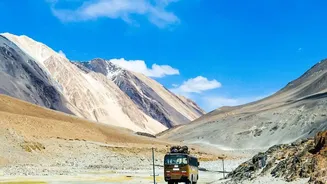
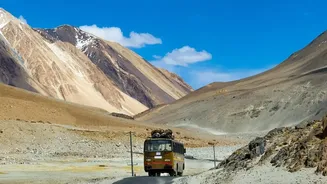
The sā Ladakh Biennale runs from August 1 to August 10, 2026. While entry is free, visitors need to register in advance to explore the trail. Experiencing the full scope of the biennale requires a road trip between Leh and Kargil, which can be done via taxi, bus, or rental motorcycle. Because the event is staged at altitudes over 3,000 metres, acclimatization is crucial. Organizers strongly advise travelers to spend at least 48 hours in Leh before venturing out along the trail to adjust to the high altitude. The journey is designed to be taken at a slower pace, allowing for meaningful engagement with both the art and the incredible Himalayan landscape.