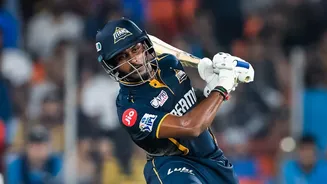




His First Pitch Was a Farm
Long before he graced international stadiums, Shubman Gill's training ground was his family's farm in Fazilka, Punjab. His father, Lakhwinder Singh, a passionate cricketer himself, carved out a pitch on their land for his son to practice. To make the sessions
competitive, he would challenge the farm labourers to bowl at young Shubman, offering them rewards if they could get his wicket. This unconventional training began when Gill was just a child, instilling in him a relentless drive and work ethic from a very early age.
Training Started at 3 AM
The family's commitment was so profound that they moved from their village to Mohali to be closer to better cricket facilities. However, the journey wasn't always smooth. After a disagreement with a coach at a local academy, Gill was asked to leave. Instead of giving up, his father took matters into his own hands, waking Shubman up at 3 AM for practice sessions before school. This grueling pre-dawn routine lasted for years, building the discipline and resilience that define his character on the field today.
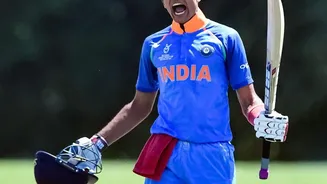
A Red Handkerchief for Good Luck
Like many athletes, Gill has his superstitions. One of his most notable is carrying a red handkerchief in his pocket while batting. This tradition reportedly started during an Under-16 game where he scored a century after a string of low scores while carrying a handkerchief. The original one was white, but he later switched to red. This small token has since become a fixture, a personal good luck charm he carries out to the middle. His friend and teammate Ishan Kishan has often pointed this out, highlighting the quirky beliefs that are part of Gill's on-field persona.
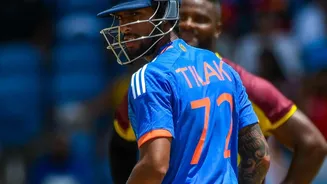
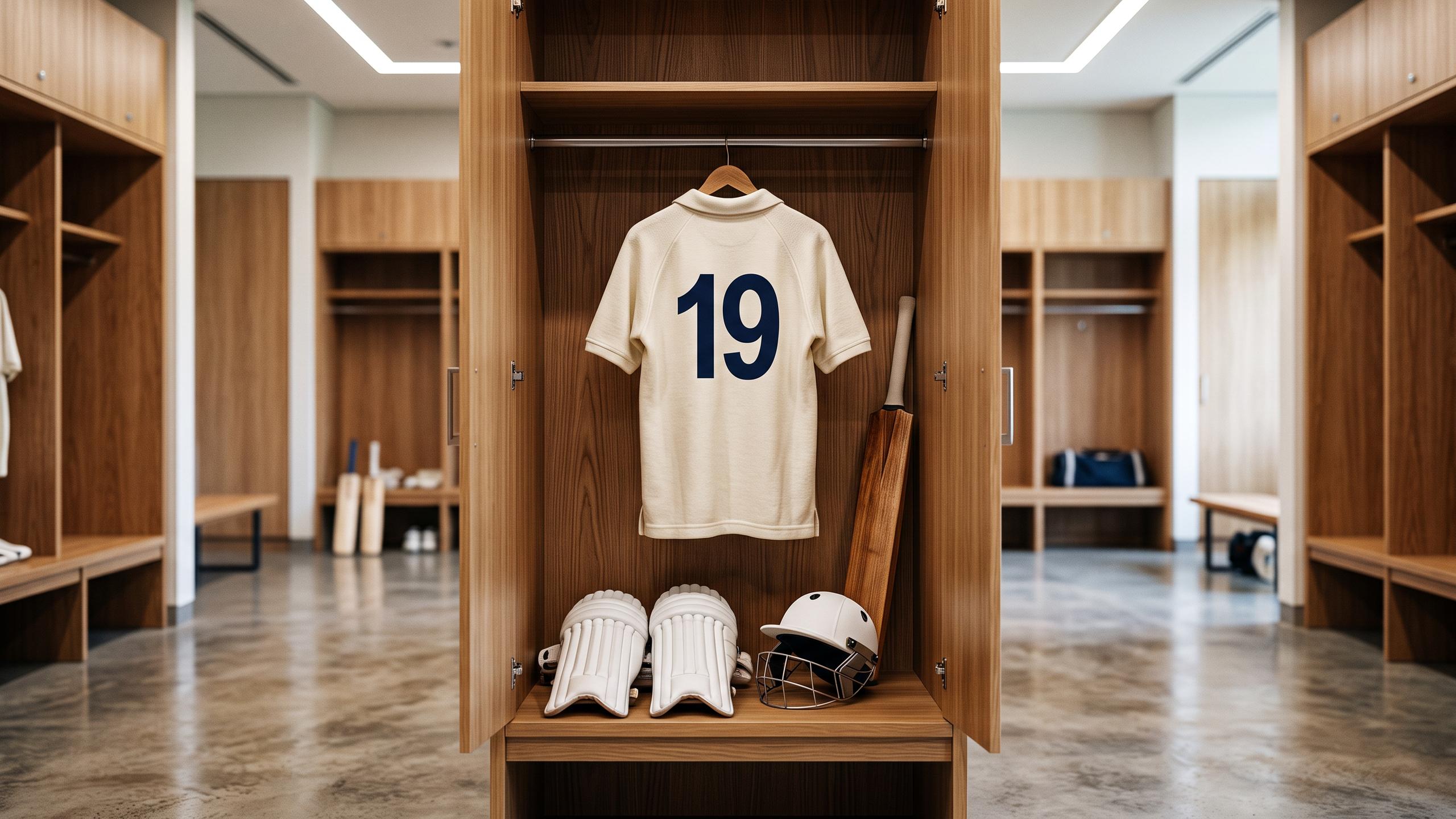
The Story Behind Jersey Number 77
While many fans associate Gill with the number 77, it wasn't his first choice. During the 2018 Under-19 World Cup, he wanted the iconic number 7, but it was already taken. Instead of picking another single digit, he simply chose two sevens, creating the number 77. This choice has become symbolic of his journey, carving out his own identity rather than following in someone else's footsteps. With the number 7 now retired by the BCCI in honour of MS Dhoni, Gill's number 77 has become uniquely his.
Batting Practice with a Single Stump
His father's innovative coaching methods were key to developing his flawless technique. To improve his son's ability to middle the ball, Lakhwinder made him practice with a single stump instead of a full-sized bat. He also used a 'charpoy' (a traditional woven bed) to make balls skid and bounce unpredictably, forcing Shubman to adapt to different deliveries and master the short ball. Commentators have often noted Gill's exceptional ability against pace, a skill honed through these creative and challenging backyard drills.
A Record-Breaking Partnership at 14
Gill's promise was evident long before he burst onto the international scene. At the age of just 14, he made headlines in Punjab's Inter-District Under-16 tournament. Playing for Mohali, he scored an incredible 351 runs and shared a record-breaking opening partnership of 587 runs with Nirmal Singh. In the same year, he scored a double century on his Under-16 debut for Punjab in the Vijay Merchant Trophy, cementing his reputation as a prodigious talent destined for greatness.
He's a Big Fan of Family
Despite his global fame, Gill remains deeply connected to his roots and family. He has stated that his family is the one thing he cannot live without and that his father is the first person he calls after a match. His nickname, 'Kaka', which means 'baby' in Punjabi, reflects his status as the youngster in the family. He has a close bond with his older sister, Shahneel, and often shares moments with his family on social media, showcasing a down-to-earth personality away from the pressures of professional cricket.