




The Great Visa Hurdle
For many Indian travelers, the European dream begins with a bureaucratic nightmare: the Schengen visa. The process involves a mountain of paperwork, appointments booked months in advance, hefty fees, and no guarantee of approval. It’s a stressful and expensive
gamble before you’ve even booked a flight. Contrast this with Bhutan. For Indian nationals, entry is remarkably simple. You don't need a visa; you just need a permit, which is easily obtainable at the point of entry by air or land with valid identification like a passport or voter ID card. This immediate and welcoming access removes a significant financial and mental barrier, making a spontaneous or planned trip to Bhutan far more feasible and enjoyable from the get-go.
The Cost of Experience
Let’s talk numbers. A budget trip to Western Europe often means compromising. You might stay in a hostel far from the city centre, survive on supermarket sandwiches, and skip pricey museum entries. A single coffee in Paris can cost what a full, delicious meal costs in Thimphu. While Bhutan isn't the cheapest destination in Asia, the value proposition for Indian travelers is immense. The cost of flights is often lower, and once there, your money goes much further. You can afford to stay in comfortable, charming local hotels, eat out for every meal enjoying authentic Bhutanese cuisine, and hire a cab for the day to explore monasteries and viewpoints without wincing at the bill. The 'experience-per-rupee' ratio is simply off the charts in Thimphu compared to Rome or Amsterdam.
Authenticity Over Crowds
Popular European cities are grappling with over-tourism. Fighting for a photo at the Eiffel Tower or navigating the dense crowds around the Colosseum can feel less like a holiday and more like a chore. Thimphu offers the complete opposite. As the world’s only carbon-negative country, Bhutan has masterfully managed its tourism with a 'High Value, Low Volume' policy. Even though the mandatory Sustainable Development Fee (SDF) is significantly reduced for Indian tourists (at ₹1,200 per night), its principle ensures that the country remains pristine and uncrowded. Here, you can experience genuine cultural immersion. You can watch an archery match with locals, visit ancient dzongs (fortresses) without being jostled, and feel a sense of peace and discovery that is increasingly rare in the world’s more famous tourist spots.
Pristine Nature on Your Doorstep
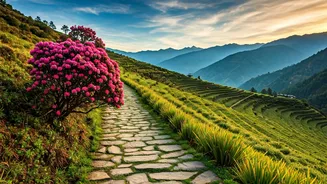
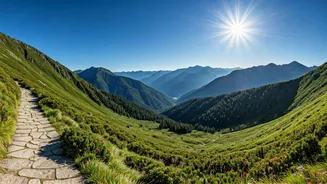
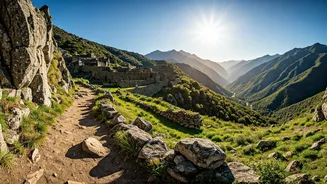
A European itinerary is often a blur of cities, trains, and museums. Accessing stunning natural landscapes usually requires a separate, often expensive, detour. In Thimphu, nature isn’t a side trip; it’s the backdrop to everything. The city itself is nestled in a breathtaking valley, and within minutes, you can be on a hiking trail leading to a remote monastery with panoramic views of the Himalayas. Treks range from easy day hikes like the one to Tango and Cheri monasteries to more challenging multi-day adventures. This seamless blend of culture and pristine wilderness offers a rejuvenating experience that urban-centric European travel simply cannot match for the same budget.
A Different Kind of Richness
Ultimately, the choice comes down to the kind of travel memories you want to create. A trip to Europe often revolves around seeing iconic-but-familiar sights. A trip to Bhutan is about feeling something new. It’s a journey into a kingdom that measures its success in Gross National Happiness, not GDP. The architecture is unique, the spiritual atmosphere is palpable, and the people are genuinely welcoming. For a budget traveler who values unique life experiences over ticking off a checklist of famous landmarks, Thimphu provides a profound sense of discovery. It’s an investment in a different kind of richness—one that is cultural, spiritual, and deeply personal.