




The Carbon Superpower of Mangroves
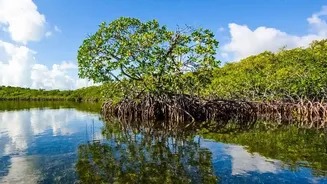
Mangrove forests are uniquely effective at tackling climate change. Studies show they are among the most carbon-rich biomes on the planet, capable of sequestering carbon at a much higher rate than most terrestrial forests. While a typical forest stores
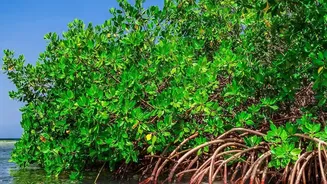
most of its carbon in its biomass (trunks and leaves), mangroves are different. They stash the majority of their carbon below ground in their complex root systems and the muddy, oxygen-poor soil they inhabit. This waterlogged soil slows down the decomposition of organic matter, effectively locking carbon away for long periods. Some estimates suggest that while mangroves cover just 0.5% of the world's coastal ocean area, they may be responsible for as much as 14% of the carbon sequestration by the global ocean, making them a small but mighty force for climate mitigation.
Reviving the Sundarbans' Green Shield
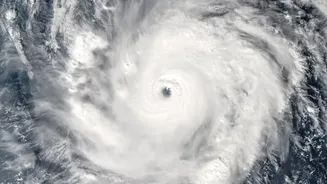
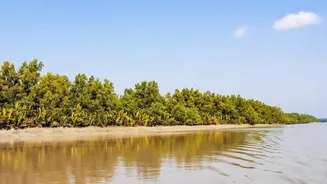
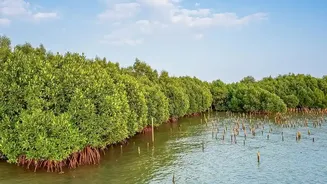
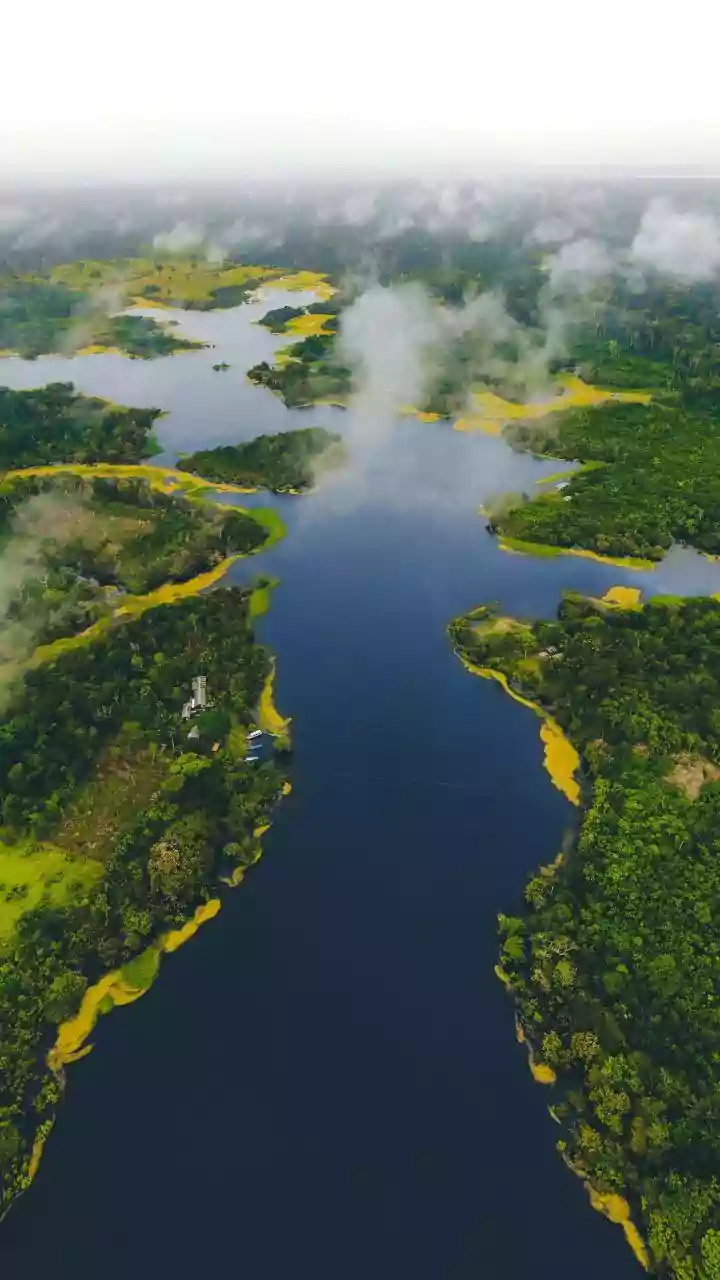
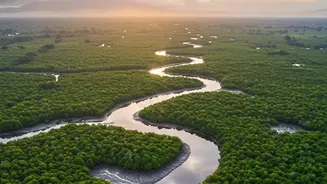
The Indian Sundarbans, a UNESCO World Heritage Site, forms a critical protective barrier for coastal communities in West Bengal, absorbing the impact of cyclones and preventing soil erosion. However, this vital ecosystem has faced degradation from climate change impacts, land conversion, and increased salinity. Recognizing its immense value, significant restoration efforts are underway. Initiatives led by government bodies and non-governmental organisations are replanting millions of mangrove saplings to restore degraded areas. These projects, such as the government's MISHTI (Mangrove Initiative for Shoreline Habitats & Tangible Incomes) scheme, not only aim to bolster the region's carbon sink but also to empower local communities. Restoration provides alternative livelihoods, particularly for women, who are involved in nurseries, planting, and monitoring, creating a sense of local ownership over conservation.
Eyes in the Sky: How Satellites Verify Success
Quantifying the exact amount of carbon stored in a vast, often inaccessible forest like the Sundarbans has historically been challenging. This is where modern technology provides a breakthrough. Scientists are now using a suite of advanced satellite technologies to get a clear picture of the forest's health and its carbon stock. Instruments using Light Detection and Ranging (LiDAR) and Synthetic Aperture Radar (SAR) can measure forest height, density, and biomass from space. P-band radar, for example, is uniquely able to penetrate the dense forest canopy to measure the woody biomass of trunks and branches, where a significant portion of above-ground carbon is stored. By combining this satellite data with on-the-ground measurements, researchers use machine learning algorithms to create highly detailed and accurate maps of carbon stocks across the entire region, verifying the impact of restoration efforts.
More Than Just Carbon: The Co-Benefits
The high returns from Sundarbans mangrove restoration extend far beyond carbon storage. A healthy mangrove ecosystem is a natural fortress that protects coastal communities from storm surges and cyclones, a recurring threat in the Bay of Bengal. The intricate root systems stabilize the coastline and prevent erosion, safeguarding homes and agricultural land. Furthermore, these forests act as critical nursery grounds for a vast array of fish, crabs, and shrimp. Restoration efforts have been shown to lead to a resurgence in local biodiversity and a boost in fish populations, which in turn supports the livelihoods of thousands of families who depend on fishing and aquaculture. This creates a powerful cycle where ecological health translates directly into economic well-being and community resilience.