




Why Monsoon Humidity Changes Your Skin
When humidity levels climb, as they do across India during monsoon, your skin's behaviour changes. The moisture-saturated air prevents sweat from evaporating properly. This process can trap oil, dirt, and pollutants on the skin's surface, leading to that
familiar sticky and greasy feeling. In response, sebaceous glands can go into overdrive, increasing oil production. This combination of trapped sweat and excess sebum creates a perfect environment for clogged pores and acne breakouts. Furthermore, many people experience skin that feels oily on the surface but is actually dehydrated underneath, a common side effect of switching between humid outdoor air and dry, air-conditioned indoors. This makes a balanced routine that hydrates without adding weight crucial.
The First Step: Cleanse Gently
It can be tempting to reach for a harsh, stripping cleanser when your face feels oily, but this often backfires. Over-washing or using aggressive formulas can disrupt the skin's protective barrier, leading to irritation and rebound oil production. Instead, dermatologists recommend using a mild, pH-balanced, or soap-free cleanser twice a day. Look for gentle foaming or gel-based formulas that effectively remove grime and excess oil without leaving the skin feeling tight or dry. This ensures your skin's natural moisture balance is maintained, setting a calm foundation for the rest of your routine.
Exfoliate, But Don't Overdo It
With the increased buildup of dead skin cells and sebum during the monsoon, regular exfoliation becomes key to preventing clogged pores. However, this is a time for gentle action. Opt for chemical exfoliants like Alpha Hydroxy Acids (AHAs) or Beta Hydroxy Acids (BHAs) over harsh physical scrubs. Salicylic acid, a BHA, is particularly effective as it is oil-soluble and can penetrate deep into pores to clear out congestion. Using a mild exfoliant just once or twice a week is usually sufficient to keep skin looking bright and feeling smooth without causing irritation.
Rethink Your Moisturiser
Skipping moisturiser in humid weather is a common mistake that can worsen skin issues. Even oily skin needs hydration, and high humidity in the air doesn't automatically translate to hydrated skin. The key is to switch from heavy creams to lightweight, water-based formulas. Gel, gel-cream, or water-based moisturisers are ideal for the rainy season. Look for products labelled 'non-comedogenic', which means they are formulated not to clog pores. Ingredients like hyaluronic acid are excellent, as they pull moisture into the skin without feeling heavy or greasy. This step provides essential hydration and helps support the skin barrier.
Target Concerns with Lightweight Serums
Monsoon is a great time to incorporate a targeted, lightweight serum into your routine. Instead of heavy oils, look for water-based serums that address specific concerns. Niacinamide is a standout ingredient for this season, as it helps regulate oil production, calm inflammation, and strengthen the skin barrier. Vitamin C is another excellent choice, providing antioxidant protection against environmental damage from pollution, which can be rampant during the rains. These potent ingredients can be layered comfortably under a gel moisturiser.
Never Skip Sunscreen, Even When It's Cloudy
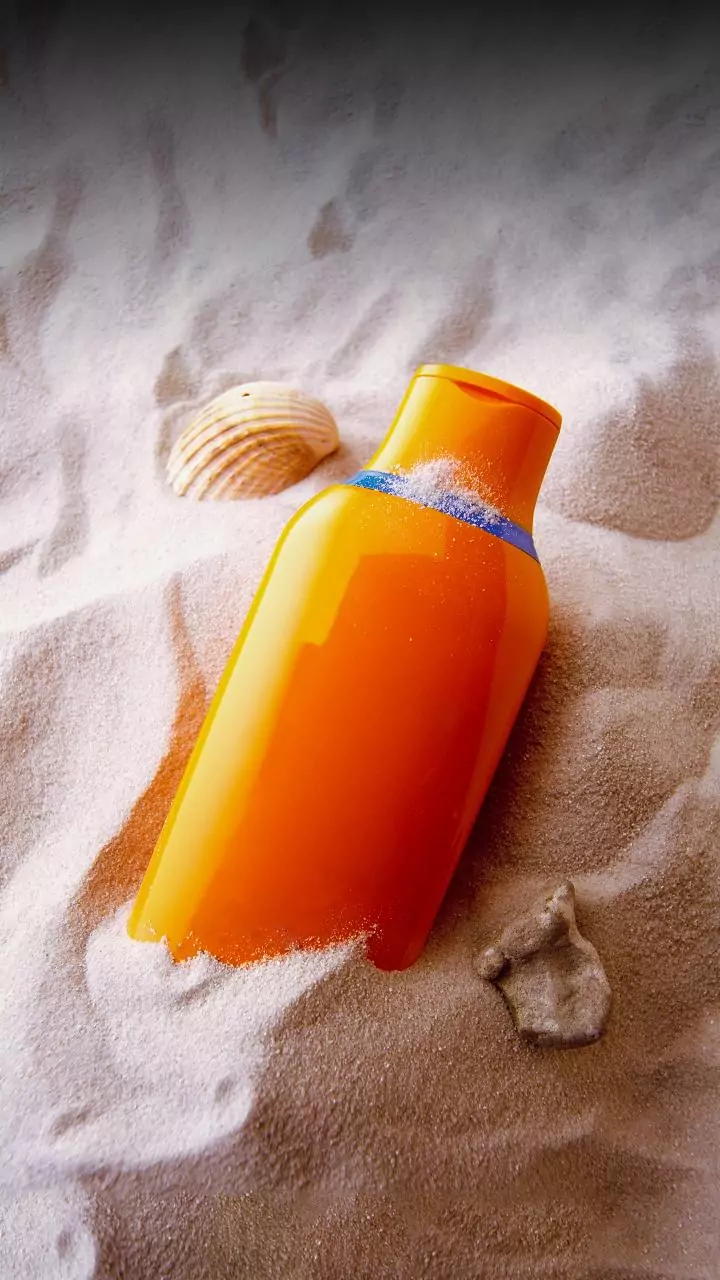
One of the biggest monsoon skincare myths is that you don't need sunscreen on cloudy or rainy days. This is incorrect and can lead to significant skin damage. Up to 80% of the sun's harmful UV rays can penetrate through clouds. UVA rays, which are responsible for premature ageing and pigmentation, remain potent regardless of the weather. In fact, wet surfaces like roads can reflect UV rays, increasing your exposure. To protect your skin, continue to apply a broad-spectrum sunscreen with at least SPF 30 every single day. For humid weather, choose a lightweight, non-greasy, or gel-based formula that feels comfortable on the skin.