



Embrace the Minimalist Mindset
The secret to ultralight packing isn't about leaving things behind; it's about choosing items that do more. Before you pack anything, adopt a multi-purpose philosophy. Every piece of clothing and gear must earn its place by serving at least two functions.
This isn't about deprivation, it's about efficiency. Think of a quick-dry athletic shirt that works for a hike, as a pyjama top, and as a base layer under a sweater. Or a pair of dark, comfortable travel pants that look sharp enough for dinner but are practical enough for a drizzly day of sightseeing. The 7kg limit forces you to be ruthless. Ditch the “just-in-case” items and focus on a small, versatile capsule wardrobe where almost everything can be worn with everything else.
Your Fortress: The Outer Shell
The most critical piece of your rain kit is your waterproof jacket. This is where you should invest wisely. Forget bulky, heavy coats. Modern technical shells are incredibly lightweight and can pack down to the size of an apple. Look for jackets described as 'packable' or 'emergency shells'. A quality jacket will be made from a fabric that is both waterproof and breathable. Breathability is key; without it, you'll end up just as damp from your own perspiration. Features like taped seams and a protective hood are non-negotiable. Many high-performance shells, like the Outdoor Research Helium II or options from Rohan, are specifically designed for this kind of ultralight travel and hiking. This single item is your primary defence against the elements.
The Science of Layering
A heavy coat is a packing disaster. The professional traveller's secret is layering. Instead of one thick, heavy jumper, pack two or three thin, strategic layers. Your base layer, the one against your skin, should be made of a moisture-wicking material like merino wool. It pulls sweat away from your body to keep you dry and warm. Your mid-layer provides insulation. A lightweight micro-fleece or a thin merino wool sweater is perfect. It traps body heat without adding significant bulk or weight. For a seven-day trip, one insulating mid-layer is often enough. When combined with your base layer and outer shell, this three-part system can handle a surprisingly wide range of cool and wet conditions, and each piece can be worn separately in milder weather.
Protecting Your Lower Half
Keeping your legs dry is just as important as your torso. While you could pack a pair of fully waterproof over-trousers, they can be bulky. A more weight-conscious strategy is to focus on quick-drying materials. Pack one or two pairs of trousers made from synthetic fabrics like nylon or polyester. These won't stay waterlogged for hours like cotton or denim will. If you do get caught in a shower, they'll dry out quickly in your hotel room overnight. For more persistent rain, a pair of ultralight, packable waterproof trousers are a good addition. Brands like Frogg Toggs offer inexpensive and incredibly light options that can be slipped on over your regular pants when the skies truly open up.
The Right Foundation: Footwear and Socks
Wet feet can ruin a trip. Your heaviest items will be your shoes, so wear your bulkiest pair on the plane. For a rainy destination, this should be a comfortable, waterproof pair of boots or shoes. Look for walking shoes treated with a waterproof membrane. These give you the comfort for a full day of exploring with the assurance of staying dry. The second pair of shoes you pack in your bag should be extremely lightweight, like running shoes or minimalist loafers that can serve as a dry backup. Just as important are your socks. Pack three to four pairs of merino wool socks. They are naturally odour-resistant, wick moisture, and will keep your feet warmer than cotton if they do get damp. They can also be easily washed and dried overnight.
Mastering the Art of the Pack
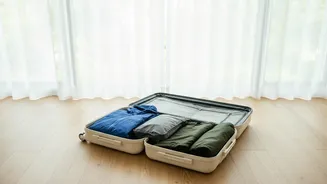
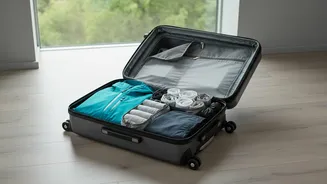
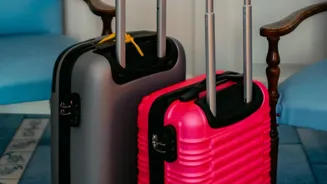
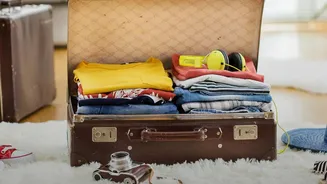
How you pack is as important as what you pack. To maximize space and minimize weight, use packing cubes. These small, zippered bags help compress clothing and keep your bag organised. Roll your clothes tightly instead of folding them; this reduces wrinkles and allows you to fit more into each cube. Place heavier items, like your spare shoes, at the bottom of your backpack or near the wheels of a roller bag for better balance. Fill every empty space. Stuff socks inside your shoes. Your lightweight rain jacket can be tucked into any remaining gaps. Finally, get a small digital luggage scale to weigh your bag before you leave for the airport, ensuring you don't get any surprises at check-in.