





From Tourist to Temporary Local
What exactly is slow travel? It’s less about a specific speed and more about a mindset. Instead of rushing to see a dozen sights in a week, the focus is on staying put and truly experiencing a single destination. Think of it as the opposite of 'checklist
tourism', where the goal is to snap photos of famous landmarks just to say you've been there. Slow travel encourages you to unpack your bags and your assumptions. It's about renting a homestay instead of a hotel, shopping at the local market for produce, learning a few words of the local language, and finding a favourite neighbourhood tea stall. It’s a shift from being a spectator to becoming a participant in the daily life of a place, turning a vacation into a rich, immersive experience.
Why Indians Are Hitting the Brakes
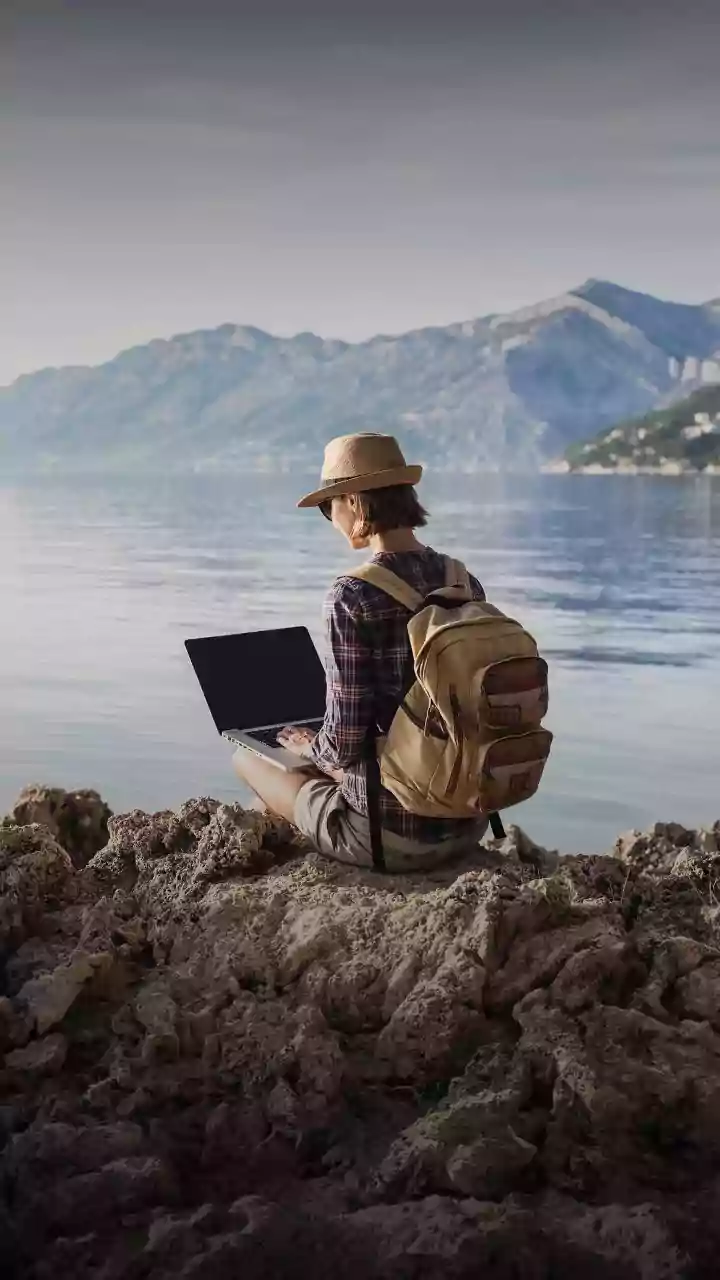
This shift isn't happening in a vacuum. Several factors are driving Indian holidaymakers to slow down. Widespread urban burnout is a major catalyst, with many seeking escapes that restore mental peace rather than add to the stress. The desire for authenticity is also a powerful motivator; travellers, particularly younger ones, are looking for genuine cultural connections, not generic, commercialised experiences. The rise of remote work and 'workcations' has also made longer stays more feasible. Furthermore, over-tourism in popular spots like Shimla and Goa has pushed people to seek out quieter, lesser-known destinations, which are often perfect for a more unhurried pace. This reflects a broader change in values, where relaxation and mental well-being are now primary travel goals for a majority of Indian travellers.
The Rich Rewards of a Slower Pace
The benefits of slow travel extend far beyond a more relaxed holiday. By spending more time in one community, travellers often form genuine connections with local people, leading to a deeper cultural understanding that a guidebook can never provide. This approach also has a positive economic impact, as money is more likely to be spent at small, locally owned businesses, from homestays to artisan workshops. The boom in homestays across India, which saw 85% growth in 2022 compared to 25% for hotels, is a testament to this trend. For the traveller, the rewards are personal. Psychologically, slowing down reduces the sensory overload of travel, allowing the brain to process experiences more deeply. This leads to more lasting memories and a greater sense of personal growth, leaving you feeling truly refreshed and not in need of a vacation from your vacation.
How to Embrace the Slow Lane
Adopting a slow travel mindset doesn't require a radical overhaul of your plans. It starts with giving yourself permission to do less. Instead of cramming five towns into one trip, pick one and explore its surroundings. Opt for a homestay or a local guesthouse, which inherently offer a more personal experience. Build empty space into your itinerary — time for spontaneous discoveries, lazy afternoons, and unexpected conversations. Engage with local life by trying a cooking class, visiting a craft village, or simply observing the rhythm of a place from a park bench. Destinations like the backwaters of Kerala, the villages of Himachal Pradesh and Uttarakhand, or cultural hubs like Fort Kochi are ideal for this style of travel, offering a chance to connect with nature and community at a more human pace.