




The Twin Challenges of Water and Power
Maharashtra's agriculture, a cornerstone of the state's economy, has long been vulnerable. Large parts of the state, particularly regions like Marathwada and Vidarbha, are drought-prone and face erratic rainfall. This makes irrigation essential, not optional.
However, traditional irrigation methods often rely on electric or diesel pumps, which come with their own set of problems. Rural electricity supply can be inconsistent and is often restricted to nighttime hours, forcing farmers into inefficient nocturnal irrigation. Diesel pumps, the main alternative, are expensive to run due to fluctuating fuel prices, cutting directly into a farmer's narrow profit margins. Furthermore, many farmers rely on flood irrigation, a method that wastes enormous amounts of water through evaporation and runoff, placing further strain on already depleted groundwater levels.
A Marriage of Modern Technologies
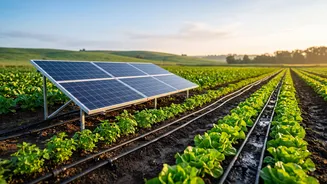
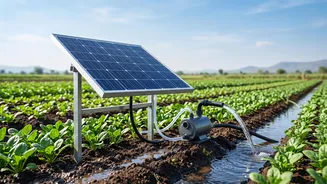
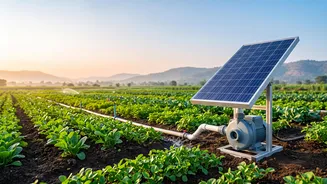
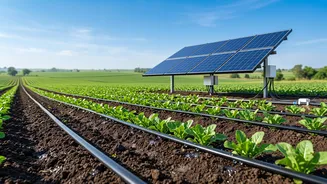
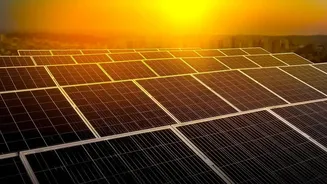
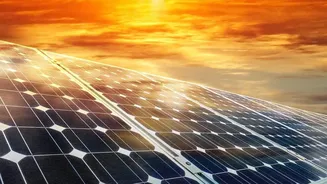
This is where the powerful synergy of off-grid solar systems and drip irrigation comes in. The solution is elegant in its simplicity: solar panels capture sunlight to power a water pump, which draws water from a well, pond, or canal. This water is then fed into a drip irrigation network—a system of pipes and emitters that delivers water directly to the base of each plant, drop by drop. This combination tackles both the energy and water challenges simultaneously. By going off-grid, farmers gain energy independence, freeing themselves from unreliable grid electricity and the recurring cost of diesel. They can pump water during the day when the sun is out and crops need it most. Pairing this with drip irrigation ensures that every drop of this precious, solar-pumped water is used efficiently, minimising waste and conserving groundwater.
The Economic Transformation for Farmers
The financial impact on farmers is profound. While the initial investment for a solar pump can be significant, the operational costs are near zero since the energy source is free. This leads to substantial savings on electricity bills and diesel fuel, with farmers often recovering their initial investment within a few years. The reliable water supply allows them to cultivate crops year-round, moving beyond a single rain-fed harvest. Many are now able to diversify into higher-value vegetable and fruit crops, which were previously too risky. This transition from subsistence farming to more commercial, multi-crop agriculture directly translates to higher and more stable household incomes. For example, in Tulyachapada village in Palghar district, the introduction of shared solar pump and drip systems helped increase the cultivated land from just five acres to nearly 96 acres, dramatically boosting farmer incomes and reducing the need for seasonal migration to cities for work.
Government Support Fuels Adoption
The widespread adoption of this technology is being accelerated by government support. India's PM-KUSUM (Pradhan Mantri Kisan Urja Suraksha evam Utthaan Mahabhiyan) scheme has been a major driver. Under this program, farmers can receive significant central and state subsidies for installing standalone solar pumps, making the initial investment far more manageable. In some cases, farmers may only need to pay a small fraction of the total cost upfront, with options for financing the rest. Maharashtra has emerged as a leading state in the adoption of the PM-KUSUM scheme, with hundreds of thousands of solar pumps installed across various districts. This policy push provides the financial accessibility needed for small and marginal farmers to embrace a technology that offers both economic and environmental returns.