







The Power of an Ancient Super Grain
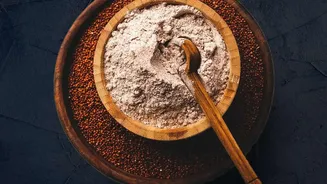
Finger millet, known locally as ragi, is a nutrient-dense grain that has been a staple in parts of India for thousands of years. This resilient crop is celebrated not just for its hardiness but for its impressive nutritional profile. It is naturally gluten-free,
making it an excellent choice for individuals with celiac disease or gluten sensitivity. More impressively, it boasts one of the highest calcium contents among all cereals, crucial for strong bones and teeth. Ragi is also a rich source of dietary fibre, iron, and essential amino acids, which contribute to better digestion, improved energy levels, and overall well-being. Its low glycemic index makes it beneficial for managing blood sugar levels, adding to its reputation as a superfood.
Creating the Perfect Savoury Batter
The magic of these crepes, or more accurately, dosas, lies in the batter. The good news is that it’s remarkably simple to prepare. There are primarily two methods: the traditional fermented way and a quicker instant version. For an instant batter, you simply need to whisk ragi flour with rice flour and a bit of fine semolina (rava) for crispness. To this, you add water until you achieve a thin, flowing consistency, similar to a classic rava dosa batter. For the fermented version, whole ragi grains are soaked with urad dal and a few fenugreek seeds for several hours before being ground into a smooth paste. This batter is then left to ferment for 6-8 hours, which enhances its flavour and nutritional value. Both methods yield a versatile base ready for customisation.
Adding Flavour and Spice
Once your base batter is ready, it’s time to infuse it with savoury flavours. Finely chopped onions, green chillies, grated ginger, and fresh coriander leaves are classic additions that provide a wonderful texture and aroma. Cumin seeds, crushed black pepper, and curry leaves can also be mixed in to elevate the taste profile. A touch of curd or buttermilk can be added to the instant batter for a slight tanginess. Don't be afraid to experiment with other finely chopped vegetables like carrots or grated coconut. Remember to mix these ingredients in just before you start cooking to ensure they remain fresh and evenly distributed throughout the batter.
Cooking Your Crepes to Crispy Perfection
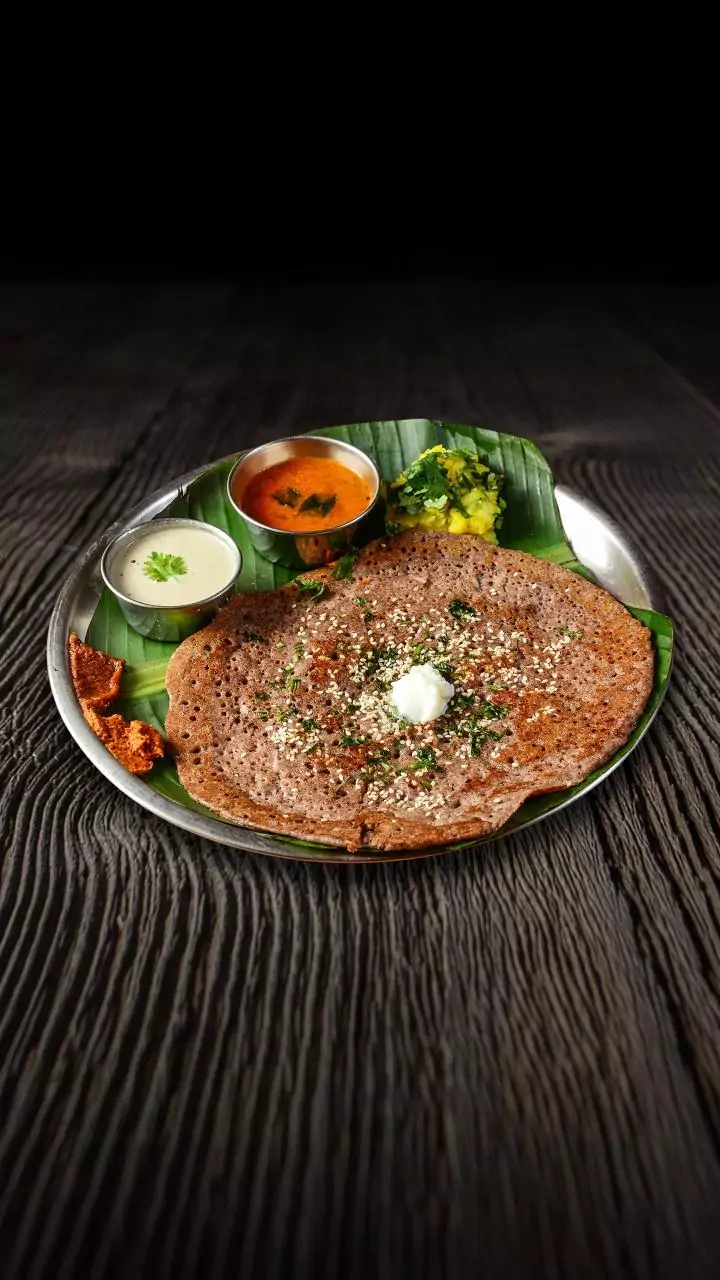
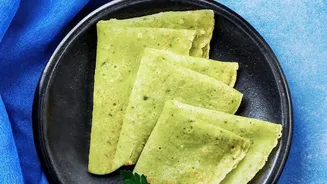
Cooking these ragi crepes is an art that’s easy to master. The key is a hot, well-greased pan or tawa. Heat your pan on a medium-high flame. Once hot, stir your batter well, as the flour tends to settle at the bottom. Pour a ladleful of the batter onto the hot pan, starting from the edges and moving towards the centre in a circular motion. For thin, lacy crepes, the batter should be very runny. Drizzle a little oil or ghee around the edges and cook for a couple of minutes until the bottom turns crisp and golden brown. Unlike thicker pancakes, these savoury crepes are often so thin they only need to be cooked on one side. Once cooked, fold it over and serve immediately.
Ideal Pairings and Serving Suggestions
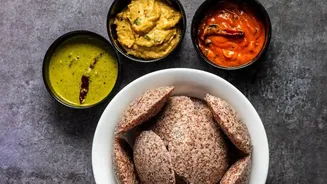
These savoury ragi crepes are incredibly versatile and can be paired with a wide variety of accompaniments. They are traditionally served hot with classic South Indian sides like coconut chutney, tomato chutney, or a flavourful sambar. For a more filling meal, you can use the crepes to wrap a simple potato masala, similar to a traditional masala dosa. They also pair beautifully with a simple vegetable stir-fry or even scrambled eggs for a protein-packed breakfast. The earthy, nutty flavour of ragi complements both spicy and tangy side dishes, allowing for endless delicious combinations to start your day on a healthy note.