







The Post-Monsoon Puzzle
October marks the official retreat of the southwest monsoon from most of the country, ushering in clearer skies and lower humidity. This shift makes it a prime month for outdoor activities. However, the transition isn't always a straight line. The retreating
monsoon can still bring unexpected showers, especially in southern and eastern coastal regions. Meanwhile, western parts like Mumbai can experience a period of intense humidity and heat, famously known as 'October Heat', just before the cooler winter air sets in. This mix of lingering moisture and changing temperatures is why your fitness plan needs to be as flexible as the weather.
North vs. South: A Tale of Two Climates
India's vast geography means October feels very different depending on where you are. In the northern plains and Himalayan foothills, the weather becomes exceptionally pleasant, with cool, dry days perfect for running, cycling, or trekking. Conversely, states like Kerala and Tamil Nadu are welcoming the northeast monsoon, which can mean significant rainfall and high humidity, making outdoor exercise a wet affair. Before you step out, it’s crucial to understand your local forecast. A sunny morning in Delhi is a world away from a damp, humid one in Chennai, and your preparation should reflect that.
Dressing in Layers is Your Best Strategy
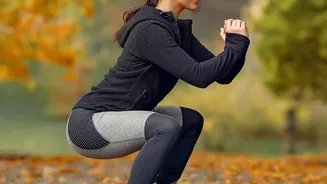
The golden rule for exercising in fluctuating temperatures is layering. Instead of a single heavy jacket, opt for three distinct layers that you can add or remove as your body temperature changes. Start with a moisture-wicking base layer made of synthetic fabric like polyester, not cotton, to pull sweat away from your skin. Add a light fleece or a similar synthetic mid-layer for insulation. Top it off with a lightweight, breathable, and preferably waterproof or wind-resistant outer shell. This system allows you to stay warm during your initial warm-up on a cool morning and shed layers as you work up a sweat or as the day gets warmer.
Watch the Clock and the Air
Timing your workout can make a huge difference. Early mornings are often cool and crisp but may come with low visibility in some areas. Evening workouts might be warmer but can also coincide with increased humidity and fading light. Furthermore, a critical factor for urban India is the Air Quality Index (AQI). October marks the beginning of the season when air quality often deteriorates, especially across the Indo-Gangetic plains, due to factors like stubble burning and changing weather patterns that trap pollutants. Always check the AQI before an outdoor session; on days with poor air quality, an indoor workout is a much safer alternative.
Don’t Forget the Essentials
Cooler temperatures might fool you into thinking you don't need to hydrate as much, but your body still loses water through sweat. Continue to drink plenty of water before, during, and after your workout. Sun protection is also non-negotiable. Even on cloudy days or during cooler parts of the day, UV radiation can still be harmful, so apply sunscreen to exposed skin. Finally, with unpredictable showers, roads can be slippery. Ensure your running shoes have good traction to prevent slips and falls. If you're exercising in low-light conditions, wear bright, reflective clothing to stay visible to traffic.