



A Return to Nuanced Flavours
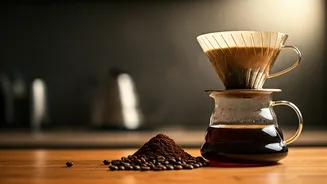
For years, the Indian café scene has been defined by the intense, bold punch of espresso-based drinks. However, a growing number of coffee drinkers are now seeking subtlety over strength. Filter brewing methods, like pour-over or the traditional South
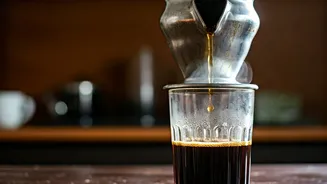
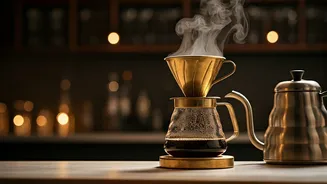
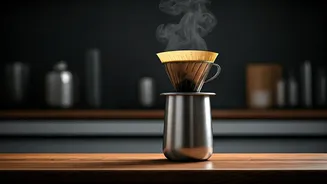
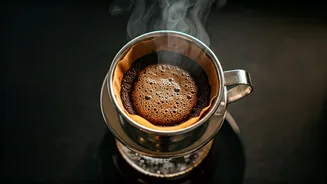
Indian drip filter, excel at highlighting the delicate and complex notes of coffee beans. Unlike the high-pressure extraction of espresso, the slower, gravity-fed filter process allows for a cleaner, clearer, and more consistent cup that can reveal floral, fruity, or citrusy notes that are often lost in other methods. This shift reflects a maturing palate, where consumers are increasingly interested in the origin and specific flavour profile of their beans, much like a wine connoisseur appreciates terroir. This growing appreciation for artisanal coffee is transforming India's market, which was once dominated by instant coffee.
The Mindful Morning Ritual
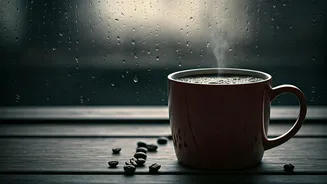
In our fast-paced world, the slow, deliberate process of making filter coffee offers a welcome antidote. The act of brewing—measuring the grounds, heating the water, and watching the decoction slowly drip—has become a cherished morning ritual for many. This hands-on process is a form of mindfulness, a few quiet moments to engage the senses before the day begins. It’s a stark contrast to the instant gratification of a pod machine or the quick transaction at a café. The home brewing trend has gained significant popularity, with enthusiasts investing in equipment like pour-over cones, AeroPresses, and French presses to perfect their craft. This movement is less about a quick caffeine fix and more about the satisfying, sensory experience of creating the perfect cup from scratch.
The South Indian Heritage
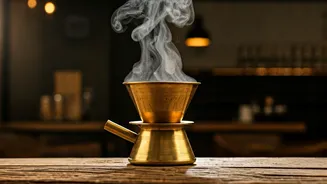
It’s impossible to discuss filter coffee in India without celebrating its deep cultural roots in the South. Known as 'Kaapi', South Indian filter coffee is more than a beverage; it’s a symbol of hospitality, tradition, and daily ritual. Coffee first arrived in India in the 17th century, planted in the hills of Chikmagalur, Karnataka, by the Sufi saint Baba Budan. Over centuries, South Indians perfected a unique brewing method using a metal drip percolator, which produces a strong decoction. This is typically mixed with hot milk and frothed by pouring it between a 'tumbler' and 'davara'. While this traditional 'Kaapi' remains a beloved staple, its principles of slow brewing and quality have found a new audience within the global specialty coffee movement. Today, this authentic brew is gaining international attention and finding its place alongside modern pour-overs in trendy cafes.
A Healthier, ‘Cleaner’ Cup
The wellness trend has also played a role in filter coffee’s resurgence. Studies suggest that using a paper filter can be beneficial for heart health, as it removes compounds like cafestol and kahweol, which can raise LDL cholesterol levels. Unfiltered methods, like French press or Turkish coffee, leave these substances in the final cup. Many perceive filter coffee as a 'cleaner' or lighter option, as it has less acidity and a milder mouthfeel compared to espresso. Furthermore, coffee, in general, is a rich source of antioxidants, which can help combat inflammation and reduce the risk of various chronic diseases. Some research also links regular consumption of filtered coffee with a reduced risk of type 2 diabetes and certain neurological disorders.
The Economics of Brewing at Home
The financial aspect is another compelling reason for the shift. The rising café culture has also brought rising prices, and a daily cappuccino habit can quickly add up. In contrast, brewing filter coffee at home is significantly more economical. The initial investment in equipment, such as a pour-over cone or a classic South Indian filter, is relatively low. High-quality, locally sourced coffee beans are also becoming more accessible from a growing number of Indian specialty roasters. This combination of affordability and quality allows coffee lovers to enjoy a café-style experience in the comfort of their own homes, making a premium cup of coffee a daily pleasure rather than an occasional splurge.