
The Myth's Green Roots
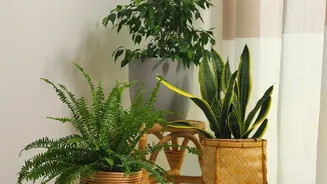
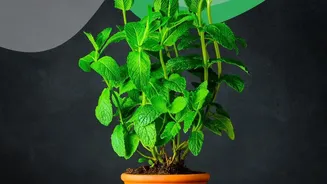
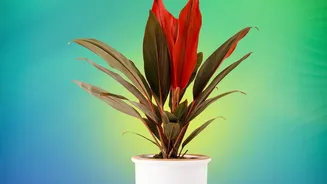
The popular belief that houseplants are air-purifying powerhouses stems from a landmark 1989 NASA study. Researchers, looking for ways to clean the air in sealed space stations, placed common houseplants like Snake Plants and Peace Lilies in small, sealed chambers.
They then pumped in volatile organic compounds (VOCs) such as formaldehyde and benzene. The results were compelling: some plants were able to remove a significant percentage of these harmful chemicals from the chamber's air. This study, known as the Clean Air Study, was scientifically sound for what it was and launched the idea of plants as living air filters into public consciousness. For decades, it was the go-to evidence for the health benefits of bringing the outdoors in.
From Lab to Living Room
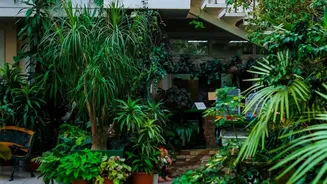
The problem is that your living room is not a sealed NASA laboratory chamber. In the years since, scientists have re-examined the 1989 findings in the context of a typical home or office. A key 2019 review of decades of research concluded that the real-world impact of plants on indoor air quality is practically negligible. The main reason is something called the air exchange rate. Your home isn't airtight; air constantly flows in and out through windows, doors, cracks, and ventilation systems. This natural ventilation dilutes pollutants far more quickly and effectively than a few potted plants can absorb them. To match the air-cleaning power of a building's standard ventilation, you would need an impossibly dense urban jungle in your home—estimates range from 10 to 1,000 plants per square meter.
So, Are Plants Pointless?
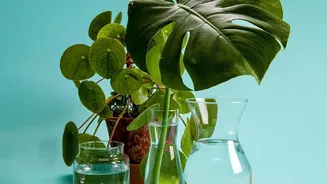
Absolutely not. While they may not be the miracle air purifiers we hoped for, the benefits of having indoor plants are very real. The focus has simply shifted from phytoremediation to biophilia—humanity’s innate tendency to connect with nature. A wealth of research shows that interacting with plants can have profound psychological benefits. Studies have found that having plants in your home or office can reduce stress and lower cortisol levels, decrease blood pressure, improve your mood, and sharpen your focus. The simple act of caring for a living thing can be therapeutic, providing a sense of purpose and a mindful break from the digital world. In hospitals, patients in rooms with plants have even shown improved recovery outcomes.
The Real Way to Clear the Air
If you're genuinely concerned about indoor air quality, your best bet isn't to buy another hundred plants. Instead, focus on two key strategies: source control and ventilation. Try to reduce the number of pollutants you bring into your home by choosing low-VOC paints, furnishings, and cleaning products. Most importantly, improve your home's ventilation. The simplest method is often the best: open your windows regularly to allow fresh air to circulate. Using exhaust fans in kitchens and bathrooms helps remove pollutants at their source. For those with significant concerns about allergens, dust, or smoke, a high-quality air purifier with a HEPA filter is proven to be far more effective at cleaning indoor air than any number of houseplants.