


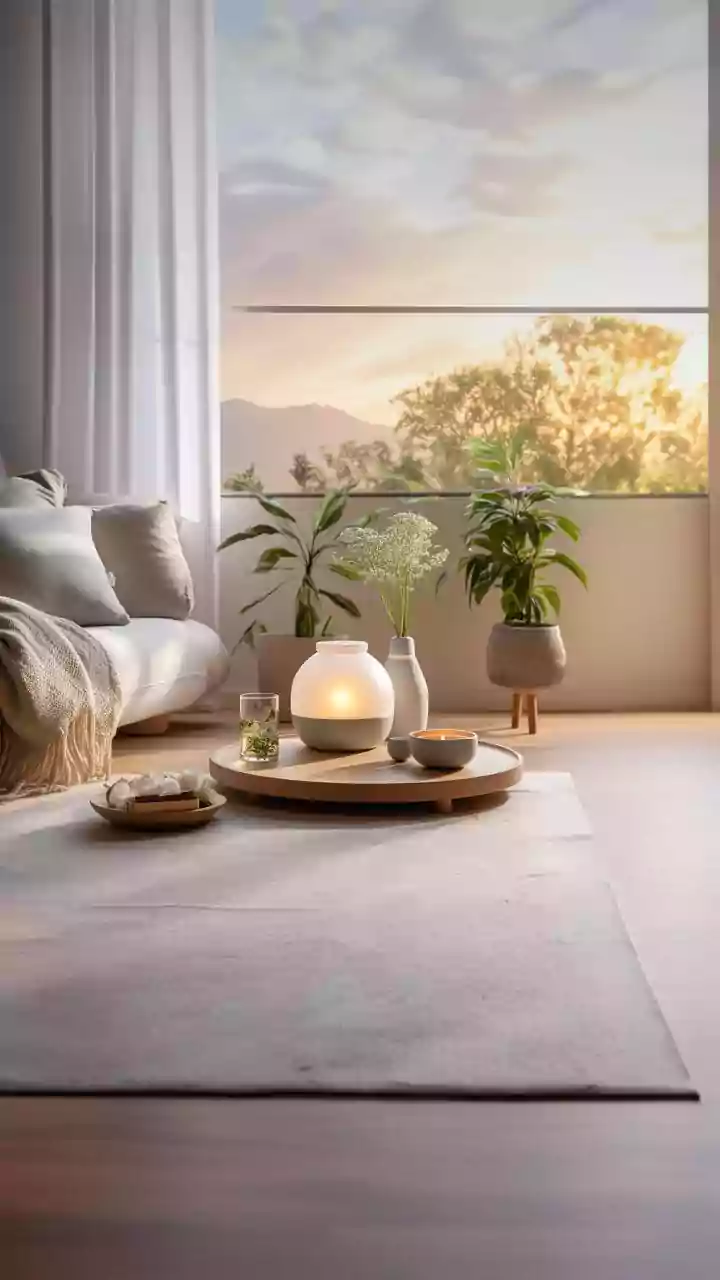





More Than Just White Walls
When you hear ‘minimalism’, you might picture stark white rooms and a life devoid of possessions. But in India, the movement is being redefined. It’s not about mimicking a Western aesthetic seen on Instagram; it’s about adapting a philosophy to a uniquely
Indian context. This isn’t about getting rid of your grandmother’s heirloom sari or the brass diyas passed down through generations. Instead, Indian minimalism is about intentionality. It asks a simple question: Does this item add value to my life? This could mean cherishing a few high-quality, handcrafted items over a pile of mass-produced goods, or finding ways to live thoughtfully within the realities of a joint family household.
The Push Towards 'Less'
So why is this happening now? Several factors are converging. For many urban millennials and Gen Z, life is a frantic race. They are a generation grappling with job pressures, high costs of living in metros like Mumbai and Bengaluru, and the constant digital noise of social media. The promise of minimalism—less debt, less clutter, less stress—is a powerful antidote. There's also a growing environmental consciousness. Young Indians are increasingly aware of the planetary cost of hyper-consumerism and fast fashion. Choosing to buy less, repair more, and live simply is seen not just as a personal choice, but a responsible one. It’s a quiet rebellion against the ‘buy-now’ culture that dominated the last two decades.
A Modern Take on Ancient Wisdom
While the term 'minimalism' is modern, the concept isn't new to Indian philosophy. Principles like Aparigraha (non-possessiveness) from Yoga and Jainism have long advocated for a life free from material attachment. Today’s movement can be seen as a contemporary reinterpretation of these age-old ideas. It’s not about renouncing the world for a spiritual quest, but about finding a 'middle path' in a consumerist society. It's a pragmatic spirituality for the 21st century, focusing on inner peace derived from external simplicity. This connection to cultural roots makes the movement feel less like a foreign import and more like a return to something authentic and deeply Indian.
What It Looks Like in Practice
Across India, people are embracing minimalism in diverse ways. For a young professional in a tiny Mumbai flat, it might mean a capsule wardrobe of 30 versatile pieces and a home free of non-essential furniture. For a family in Chennai, it could involve a 'one in, one out' rule for toys and clothes, teaching children the value of what they already have. The digital world plays a huge role. Indian minimalist bloggers and YouTubers are building communities, sharing practical tips on decluttering kitchens filled with complex utensils, digitising decades of family photos, and navigating the social pressures of festive gift-giving. They are creating a new Indian aesthetic that prioritises calm, space, and personal meaning over ornate displays.
Getting Started, The Indian Way
Curious about trying it yourself? The key is to start small and avoid overwhelm. Don't try to declutter your entire home in one weekend. Begin with a single drawer or a bookshelf. Ask yourself if you’ve used an item in the last year. If not, can it be donated or repurposed? A great starting point is your digital life—unsubscribe from marketing emails and mute noisy WhatsApp groups. Instead of buying new items, focus on experiences: a weekend trip, learning a new skill, or spending quality time with loved ones. The goal isn't deprivation; it's liberation from the non-essential to make room for what truly matters.