
Aggressive Towel Rubbing
It’s a common impulse to vigorously rub wet hair with a thick cotton towel, but this is one of the quickest ways to cause damage. Wet hair is in its most fragile state; the hair shaft swells, and the protective outer layer, the cuticle, lifts. The rough
fibres of a standard bath towel create friction, which not only disrupts the cuticle, leading to frizz and tangles, but can also cause strands to snap and break. This effect is amplified in the monsoon when hair is already trying to manage excess environmental moisture. Instead of rubbing, gently squeeze or blot excess water from your hair using a soft microfiber towel or an old cotton T-shirt, which is much gentler on the delicate strands.
Applying High Heat Immediately
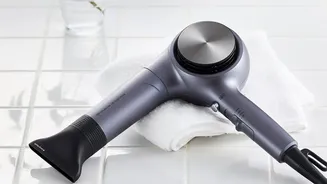
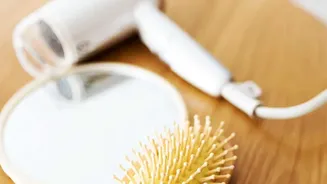
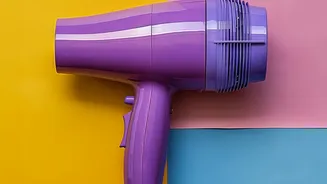
When you’re in a hurry and your hair is taking forever to dry in the damp weather, reaching for the blow-dryer on its highest setting seems logical. However, blasting soaking wet hair with high heat is extremely stressful for the strands. The intense heat can cause the water within the hair to turn into steam and expand rapidly, leading to bubbles inside the hair shaft that create permanent damage and weakness. It also strips the hair of its natural moisture. A better approach is to let your hair air-dry until it's about 70-80% dry. If you must use a blow-dryer, use it on a cool or low-heat setting to minimize damage. This gentler method helps to smooth the cuticle without causing thermal shock.
Brushing or Combing While Soaking Wet
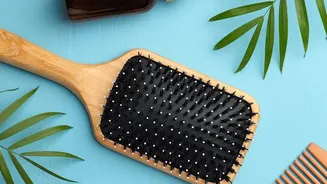
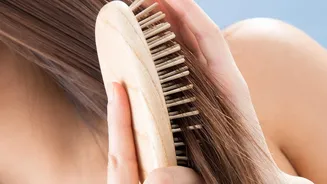
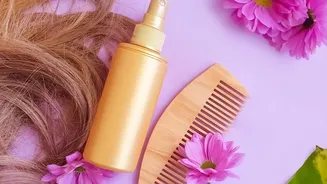
Hair is at its most elastic when wet, meaning it can stretch significantly more than when it's dry. Running a brush through saturated hair can stretch it beyond its breaking point, causing it to snap like a rubber band. This leads to split ends and uneven breakage. During the monsoon, when hair is already swollen with humidity, this habit is even more risky. Wait until your hair is at least partially dry and detangle gently. Always use a wide-tooth comb instead of a brush, starting from the ends and working your way up to the roots to carefully remove knots without pulling.
Tying Hair Up When It's Still Damp
Putting damp hair into a tight ponytail or bun might seem like a quick fix for frizzy, unruly locks, but it creates several problems. Firstly, the tension on the fragile, wet strands can easily lead to breakage, especially around the hairline, a condition known as traction alopecia over time. Secondly, a damp scalp tied up tightly creates a warm, moist environment that is an ideal breeding ground for fungi and bacteria. This can lead to scalp irritation, dandruff, and even infections. It’s crucial to let your hair dry completely before tying it up. When you do, opt for looser styles and soft hair ties like scrunchies to reduce strain.
Going to Sleep with Wet Hair
Similar to tying it up, going to bed with wet hair can lead to both breakage and scalp issues. As you toss and turn, the friction between your wet, fragile hair and the pillowcase can rough up the cuticle, causing frizz, tangles, and split ends. The moisture trapped against your scalp for hours can also encourage fungal growth, potentially leading to dandruff or other scalp irritations. Furthermore, the moisture can seep into your pillow, creating a hospitable environment for fungus and bacteria to accumulate. If you must wash your hair at night, try to do it earlier in the evening to give it ample time to air-dry, or use a blow-dryer on a cool setting to ensure your scalp and roots are fully dry before your head hits the pillow.