




The Overlooked Sensory Clash
In the grand tapestry of Indian celebrations, two elements are paramount: the spectacular display of fresh flowers and an unforgettable spread of food. We meticulously plan mandap decorations and craft extensive menus, pouring our hearts into creating
a feast for the eyes and the palate. Yet, we often overlook the third, equally powerful sense: smell. Scent is one of the strongest triggers for memory and emotion. The aroma of simmering spices and freshly cooked delicacies is not just a prelude to the meal; it’s an integral part of the experience, evoking nostalgia and building anticipation. But when this carefully crafted culinary perfume is forced to compete with the heady fragrance of overpowering flowers, it creates a confusing, and often unpleasant, sensory overload. An event should be a cohesive experience, where every element works in harmony.
The Usual Suspects of Scent
Certain flowers, while undeniably beautiful, are notorious for their potent fragrances that can easily dominate a room. Tuberose, or Rajnigandha, is a primary example. Cherished for its powerful and captivating scent, it's a staple in garlands and decorations. Similarly, some varieties of Jasmine (Mogra) are so fragrant they are used in perfumes. While a touch of jasmine in a bride's hair is traditional and lovely, walls draped in it near the dining area can be overwhelming. The same goes for certain types of lilies, whose intense fragrance, while elegant in a hallway, can become cloying when mixed with the savoury smells of food. These flowers are not villains; they are simply stars that demand their own stage, far from the buffet line.
Food, Fragrance, and Tradition
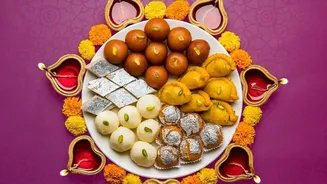
In Indian culture, food is more than sustenance; it is a celebration of heritage, community, and flavour. The fragrance of a dish is its first impression. It tells a story of the ingredients, the spices, and the care taken in its preparation. When you walk into a wedding hall, the mingled scents of saffron, cardamom, and rosewater from the kitchens are a promise of the delights to come. To have that experience muted or distorted by an aggressive floral perfume does a great disservice to the culinary artists and the guests alike. Think of it as playing two different songs loudly in the same room—the result is noise, not music. The goal is to create a symphony of senses, not a cacophony.
The Art of Scent Zoning
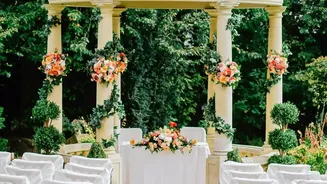
The solution isn't to banish fragrant flowers entirely. It’s about strategic placement, a concept we can call 'scent zoning'. Reserve the powerful, perfumed blossoms for areas where food is not the focus. Let the intoxicating aroma of tuberose and jasmine greet guests at the entrance, creating a memorable first impression. Use them to create stunning photo backdrops or to decorate the main stage. This way, their beautiful scent enhances the ambiance without interfering with the dining experience. For the dining areas, mandaps where rituals are performed near food offerings, and table centrepieces, opt for flowers that are low-scent or have a mild, complementary fragrance.
Smarter Choices for Dining Areas
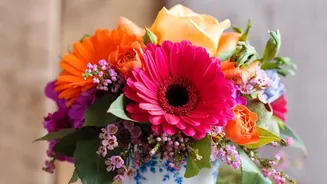
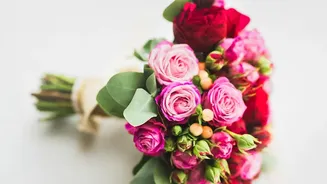
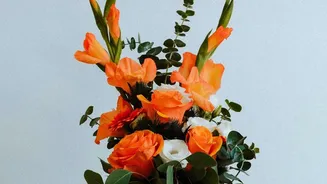
So, what are the best floral choices to pair with a feast? Marigolds (Genda) are a perfect example. They are visually vibrant and traditional, but their scent is earthy and mild, rarely clashing with food. Roses, especially in shades of red and white, symbolize love and purity and offer a classic, gentle fragrance that doesn't overwhelm. Orchids are another excellent choice; they bring an exotic, elegant look with virtually no scent. Carnations, available in a rainbow of colours, are celebrated for adding beauty without a strong smell. Even dried floral arrangements and botanicals are becoming popular for adding texture and style without any fragrance at all. By making these thoughtful choices, you ensure the decor is beautiful and the food tastes, and smells, exactly as it should.