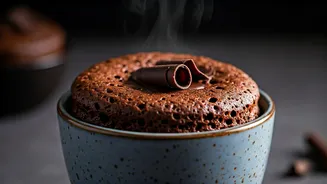









The 5-Minute Chocolate Fix
This recipe is designed for a standard 350-400 ml microwave-safe mug. The magic is in its simplicity, using ingredients you likely already have. No electric mixer, no pile of dirty dishes—just a fork, a mug, and a microwave. **Ingredients:** - 4 tbsp
all-purpose flour (maida) - 3 tbsp granulated sugar - 2 tbsp unsweetened cocoa powder - 1/4 tsp baking powder - A tiny pinch of salt - 4 tbsp milk (dairy or non-dairy both work) - 2 tbsp neutral oil (like vegetable or canola) or melted butter - 1/4 tsp vanilla extract - 1-2 tbsp chocolate chips (optional, but highly recommended) **Instructions:** 1. In your mug, add all the dry ingredients: flour, sugar, cocoa powder, baking powder, and salt. Use a fork to whisk them together thoroughly until no streaks remain. This is key to avoiding clumps. 2. Pour in the wet ingredients: milk, oil, and vanilla extract. Stir with the fork until the batter is smooth. Scrape the bottom and sides to make sure everything is incorporated, but be careful not to overmix. 3. If using, gently stir in the chocolate chips, or simply drop them into the centre of the batter for a molten middle. 4. Microwave on high for 70-90 seconds. The cake will puff up significantly. It's done when the top looks set but is still slightly moist. Let it cool for a minute before digging in, as it will be extremely hot.
Choose Your Mug Wisely
Not all mugs are created equal for this task. The single most common mistake is choosing a mug that’s too small. As the batter cooks, the leavening agent creates steam and causes the cake to rise rapidly. In a small cup, this means a sticky, cakey overflow all over your microwave plate. For this recipe, a standard coffee mug that holds at least 350 ml is perfect. It gives the cake enough room to climb the sides without spilling over. Also, ensure your mug is explicitly marked as microwave-safe. Some decorative mugs contain metallic paints that can spark in the microwave, and others can crack from the intense, direct heat.
Tips for Cake Perfection
A few small adjustments can take your mug cake from good to great. First, resist the urge to overmix the batter. Once the wet and dry ingredients are just combined, stop. Overmixing develops the gluten in the flour, which is great for chewy bread but results in a tough, rubbery cake. Second, know your microwave. Wattage varies greatly between models. A 1200-watt microwave will cook the cake much faster than a 700-watt one. The first time you make this recipe, start with the lower end of the cooking time (70 seconds). You can always add 10-15 more seconds if needed. It’s always better to have a slightly gooey, undercooked cake than a dry, overcooked one.
Make It Your Own
This basic recipe is a perfect canvas for your creativity. Think of it as a starting point. For a deeper, more complex flavour, add half a teaspoon of instant espresso powder along with the dry ingredients; it won't make the cake taste like coffee, but it will intensify the chocolate. For a decadent, gooey centre, drop a spoonful of peanut butter or Nutella into the middle of the batter before microwaving. A handful of chopped nuts like walnuts or pecans can add a welcome crunch. Want to spice things up? A small pinch of cinnamon or even a tiny dash of cayenne pepper can add a surprising warmth. Finish it with a sprinkle of flaky sea salt on top to balance the sweetness.
Troubleshooting Common Pitfalls
If your cake didn't turn out perfectly, don't worry. Mug cakes can be a bit finicky, but the problems are almost always easy to fix. **Problem: My cake is tough and rubbery.** This is the most common issue and is almost always caused by overcooking. Microwaves cook from the inside out, and the cake will continue to cook from residual heat even after you take it out. Next time, reduce the cooking time by 15 seconds. Overmixing can also be the culprit. **Problem: My cake is dry.** Again, this points to overcooking. But also double-check your measurements. Baking is a science; using too much flour or not enough liquid can easily dry out the final product. **Problem: My cake exploded all over the microwave.** Your mug was too small. Find a larger one for next time. You can also try placing the mug on a small plate to catch any potential overflow, making cleanup easier.