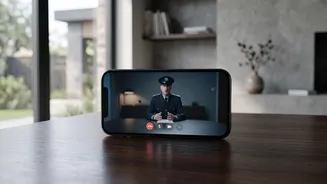









A frightening call from someone claiming to be a police or CBI officer, a threat of immediate arrest, and a demand for money. This is the 'digital arrest' scam, a growing cybercrime in India that uses fear and sophisticated forgery to extort victims.
The Anatomy of a 'Digital Arrest' Scam
The 'digital arrest' is a sophisticated form of cyber fraud where criminals impersonate officials from law enforcement agencies like the police, CBI, or Enforcement Directorate. The scam begins with an unsolicited call, often on WhatsApp, from someone posing as an authority figure. They create immediate panic by claiming your Aadhaar number, bank account, or mobile number has been linked to a serious crime, such as money laundering or drug trafficking. The fraudsters' goal is to frighten you into complying with their demands, leveraging the authority and trust associated with these institutions. They insist the matter is urgent and requires your immediate cooperation to avoid prosecution and public disgrace.
The 'Proof': Forged Documents on Video Call
The critical element that makes this scam so convincing is the use of fake judicial and police documents. To make their threats appear credible, scammers will demand you join a video call on a platform like Skype or Zoom. On the call, they present what look like official documents: fabricated arrest warrants, FIRs, court orders, or notices from government bodies, complete with official-looking emblems and logos. The person on the call may even be wearing a police uniform, sitting in a room designed to look like a police station. These forged documents often contain the victim’s name and details, making the threat feel personal and terrifyingly real. This visual 'proof' is designed to overwhelm victims and short-circuit their critical thinking.
Psychological Manipulation and Isolation
Once the fake documents are shown, the psychological manipulation intensifies. Scammers will order you to stay on the video call at all times, a tactic they call 'digital arrest'. They forbid you from contacting anyone—family, friends, or a lawyer—under the guise of maintaining the secrecy of the 'investigation'. This isolation is a key part of the scam. It prevents you from seeking a second opinion or realizing you're being deceived. For hours, and sometimes even days, they keep you under this virtual surveillance, mentally exhausting you with constant threats and interrogations until your resistance breaks down.
The Financial Demand: Extortion Through Fear
After the victim is sufficiently panicked and isolated, the scammers make their financial demand. They will claim that you need to transfer a large sum of money to a specific bank account for 'verification' or as a 'refundable security deposit' to clear your name. They may insist that this is a standard procedure to verify that your funds are not linked to criminal activity. The payment is often demanded through immediate transfer methods like UPI or direct bank transfers into what are known as mule accounts, which are used to quickly launder the stolen money. Once the transfer is made, the scammers disappear, and the money is almost impossible to recover.
How to Protect Yourself: The Official Advice
The most important thing to remember is that no legitimate law enforcement agency in India will ever conduct an arrest or demand money over a phone or video call. 'Digital arrest' has no legal basis. If you receive such a call, stay calm. Do not share any personal information or transfer any money. Ask the caller for their name, badge number, and police station, then end the call. You can independently verify their claims by calling the official number of the police department or agency they claimed to represent. Never use a number they provide. Immediately report the incident to the National Cyber Crime Reporting Portal at cybercrime.gov.in or by calling the toll free helpline number 1930.