






The Science Behind the Squeeze
The issue lies with a group of natural compounds called furanocoumarins. These are found in high concentrations in specific citrus fruits. Their primary effect happens in the small intestine, where they target and inhibit a crucial enzyme named Cytochrome
P450 3A4, or CYP3A4 for short. Think of CYP3A4 as your body’s dedicated cleanup crew for many medications, breaking them down so they can be processed and eliminated. Furanocoumarins essentially tell this crew to stop working. When the enzyme is blocked, the medication isn't broken down as it should be, leading to much higher concentrations of the drug entering your bloodstream.
From Normal Dose to Overdose
When the CYP3A4 enzyme is inhibited, the oral bioavailability of a drug can increase significantly. In simple terms, your body absorbs much more of the medication than intended. This can effectively turn a standard, prescribed dose into a toxic overdose. The consequences can range from an increase in side effects, like dizziness or muscle pain, to life-threatening events such as kidney failure or dangerous heart rhythm disturbances. This is why many medications come with explicit warnings to avoid consumption of certain citrus products altogether. Even a single glass of juice can be enough to cause a significant interaction.
Which Fruits Are the Culprits?
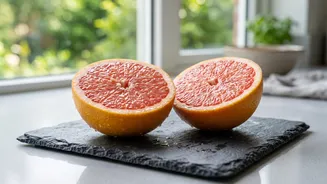
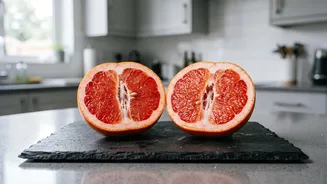
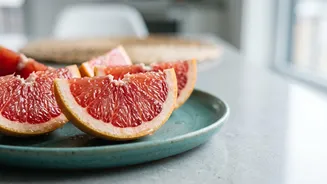
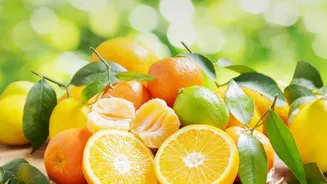
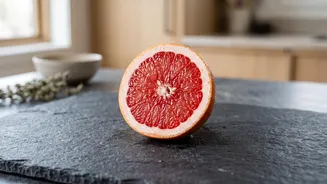
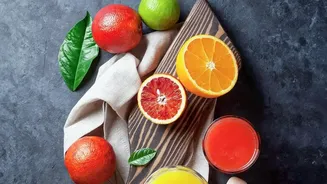
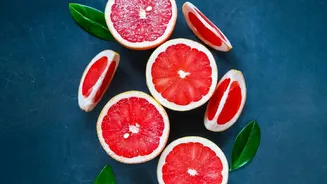
Grapefruit is the most well-known offender, but it’s not alone. The furanocoumarins responsible for this interaction are also found in Seville oranges (often used in marmalades), pomelos, and tangelos (a hybrid of grapefruit and tangerine). It's important to read juice labels carefully. On the other hand, common sweet oranges (like Navel or Valencia), tangerines, clementines, and lemons are generally considered safe as they don't contain significant amounts of these interacting compounds.
Commonly Affected Medications
Dozens of common medications are known to interact with these citrus fruits. While this is not an exhaustive list, some of the major categories include: certain statin drugs for lowering cholesterol (like atorvastatin and simvastatin), a number of calcium channel blockers for high blood pressure (such as nifedipine), some anti-anxiety medications (like buspirone), and certain immunosuppressants used after organ transplants. The effect can be substantial; for example, taking a statin with a daily glass of grapefruit juice could triple the level of the drug in the blood, escalating the risk of side effects. The list of affected drugs is continually growing, making it vital to stay informed.
A Long-Lasting Effect
One of the most critical aspects of this interaction is its duration. The effect is not temporary. Furanocoumarins cause what's known as an irreversible inhibition of the enzyme. This means that simply separating your medication and the juice by a few hours won't work. Once the CYP3A4 enzyme is blocked, it can take up to 72 hours for your body to produce new enzymes and restore normal function. For this reason, if your medication interacts with grapefruit, you must avoid the fruit and its juice entirely for the duration of your treatment.