



A Global Stage on a Local River
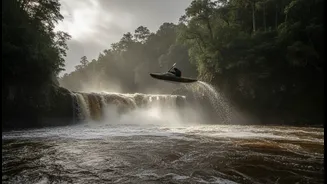
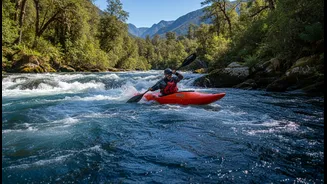
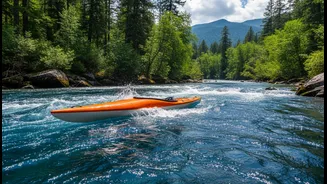
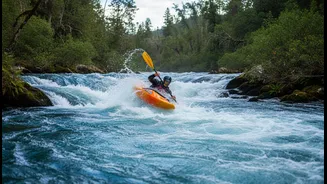
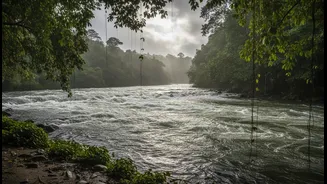
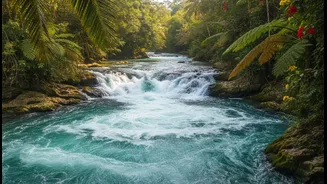
Every year, as the monsoon rains lash Kerala, the quiet Chalipuzha and Iruvazhinjipuzha rivers transform into a world-class arena for whitewater kayaking. The Malabar River Festival, now in its 12th edition, attracts top-tier athletes from across the globe—the
USA, New Zealand, Chile, and more—all vying for the coveted titles of 'Rapid Raja' and 'Rapid Rani'. The event features a thrilling lineup of disciplines like Kayak Cross and Downriver Time Trials, testing the limits of skill, speed, and endurance. Organized by bodies like the Kerala Adventure Tourism Promotion Society (KATPS) and the Kozhikode District Tourism Promotion Council (DTPC), the festival has become a cornerstone of India's adventure sports calendar. It's a spectacle of raw athleticism, where international pros and national champions tackle some of the most challenging rapids in Asia.
The River's Unwritten Rules
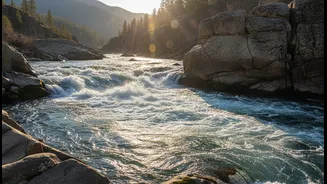
For all the international talent on display, the true masters of these waters are often the local guides and kayakers. The monsoon doesn't just raise the water level; it rewrites the river's script, creating powerful hydraulics, swirling eddies, and shifting underwater obstacles that no map can predict. This is where local expertise becomes indispensable. These guides possess an intuitive understanding of the river's flow, honed over years of experience. They know the safest routes, the timing of the currents, and the hidden dangers lurking beneath the churning surface. While international athletes bring world-class technique, they often rely on this local knowledge for safety and strategy. As one veteran kayaker might put it, you can train for speed, but you can't train for a river's secrets without spending a lifetime listening to them. This collaboration—the fusion of global skill and local wisdom—is what ensures the festival is both thrilling and safe.
More Than Just a Sporting Event
The festival's success illustrates a crucial partnership that extends far beyond the riverbanks. It's a powerful engine for the local economy, transforming villages like Kodenchery and Thiruvambady into bustling hubs for adventure tourism. The influx of athletes and spectators provides a significant boost to local businesses, from homestays to food vendors. In return, the community provides the foundational support that makes the event viable. Local self-government bodies and panchayats are deeply involved in the organization, helping manage logistics and infrastructure. Furthermore, the festival has inspired a new generation of local kayakers, with dedicated amateur categories encouraging participation and skill development. This creates a sustainable cycle: the event brings opportunity, which fosters local talent, which in turn strengthens the event's authenticity and operational backbone.
A Blueprint for Sustainable Adventure
The Malabar River Festival offers a powerful model for the future of adventure sports in India and beyond. It demonstrates that hosting a world-class event doesn't have to mean imposing an external structure on a local environment. Instead, it can be a collaborative effort that respects and integrates community knowledge. By placing local expertise at the heart of its operations, the festival ensures a higher degree of safety and authenticity. It also promotes a more sustainable form of tourism, where the economic benefits are shared directly with the host community, creating a sense of ownership and pride. This approach turns a sporting event into a celebration of local culture and heritage, showing that the most memorable adventures are not just about conquering nature, but about understanding it with the help of its oldest guardians.