



A Landscape Reborn in Green
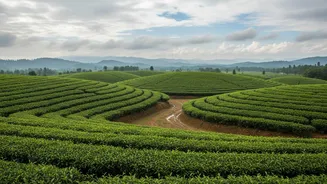
When the monsoon arrives in Assam, it breathes new life into the land. The countryside erupts in countless shades of green, from the glistening tea gardens of Jorhat and Dibrugarh to the misty hills of Haflong. The rain washes the dust away, leaving the landscape
looking fresh, vibrant, and utterly picturesque. The mighty Brahmaputra River swells, creating dramatic and beautiful vistas, while seasonal waterfalls emerge, tumbling down hillsides in a spectacular display of nature's power. For photographers and nature lovers, this season offers a canvas of unparalleled beauty, far from the dry landscapes of other seasons.
Fewer Crowds, More Serenity
One of the biggest advantages of visiting Assam during the monsoon is the absence of peak-season crowds. This off-season timing means you can experience popular spots with a sense of peace and tranquility that is rare during the tourist-heavy winter months. Imagine exploring ancient temples in Sivasagar or the river island of Majuli without the usual rush. This quieter atmosphere allows for deeper connections with the local culture and landscape. Furthermore, many hotels and resorts offer attractive discounts, making it a more affordable time to travel.
The Spiritual Heartbeat: Ambubachi Mela
The monsoon season in Assam is also a time of profound cultural and spiritual significance, most notably with the Ambubachi Mela. Held annually in June at the Kamakhya Temple in Guwahati, this festival celebrates the menstruation of the goddess, a powerful symbol of the earth's fertility. It is one of the largest religious gatherings in the region, drawing lakhs of devotees, sadhus, and tantrics from all over India. Experiencing the energy and devotion of this unique festival, set against the backdrop of the rain-soaked temple complex, is a truly unforgettable cultural immersion.
What to Know Before You Go
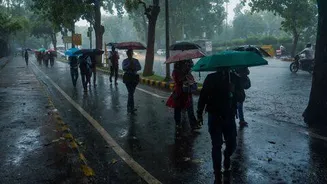
While a monsoon trip to Assam is magical, it requires some planning. Heavy rainfall can sometimes lead to floods and travel disruptions, particularly in low-lying areas. It is crucial to check weather and road conditions before you travel. A key point to remember is that major wildlife sanctuaries like Kaziranga and Manas National Parks are closed to visitors from roughly June to October due to flooding. However, other areas like Pobitora Wildlife Sanctuary may remain accessible. Pack waterproof jackets, quick-drying clothes, and sturdy, water-resistant footwear. An insect repellent is also a must-have for forested and humid areas.
Monsoon-Friendly Destinations
While Kaziranga is off-limits, many other places shine during this season. Haflong, Assam's only hill station, becomes shrouded in mist, offering breathtaking views of the surrounding valleys. Majuli, the world's largest river island, is lush and serene, perfect for exploring its unique Vaishnavite monasteries or 'satras'. Guwahati itself becomes a soulful destination, with the swollen Brahmaputra and the mystical feel of temples like Umananda. The tea estates around Jorhat and Dibrugarh are at their most beautiful, with every leaf glistening in the rain.