


More Than Just a Side Dish
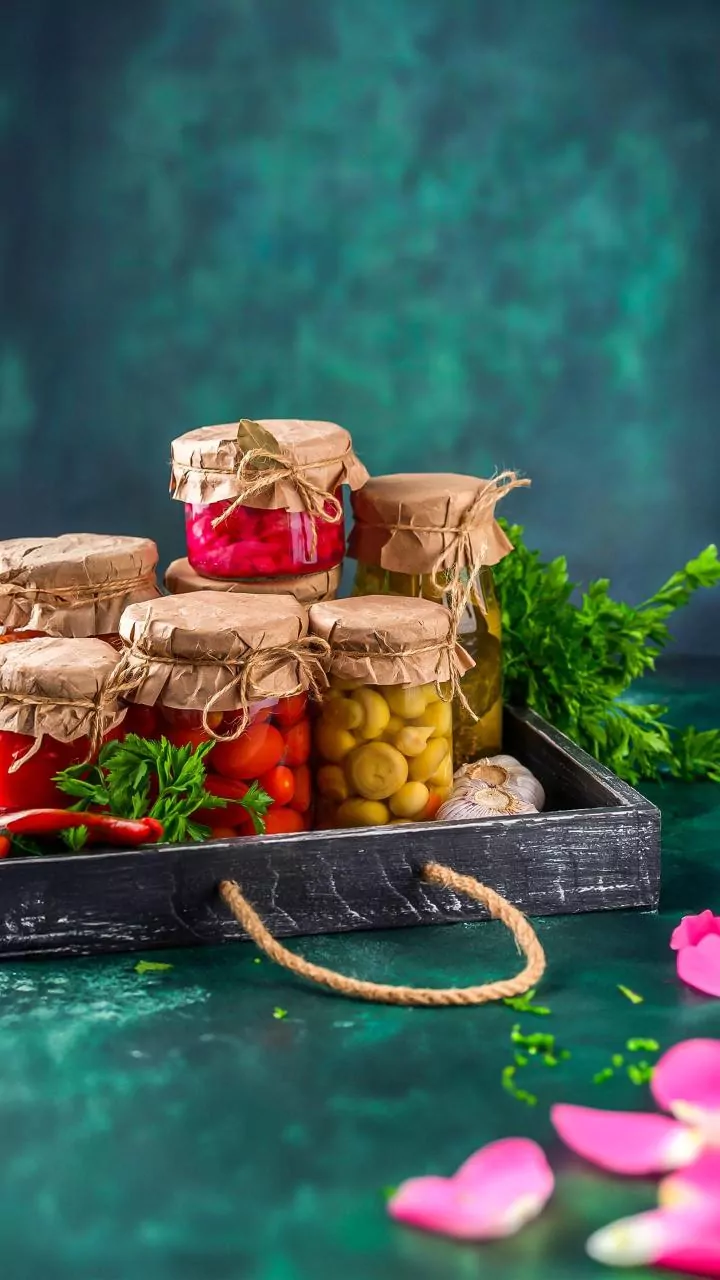
For centuries, Indian pickles have been far more than a simple accompaniment to a meal. They are a testament to ingenuity, born from the necessity of preserving seasonal produce through harsh weather. Across the subcontinent, achaar-making is a cherished
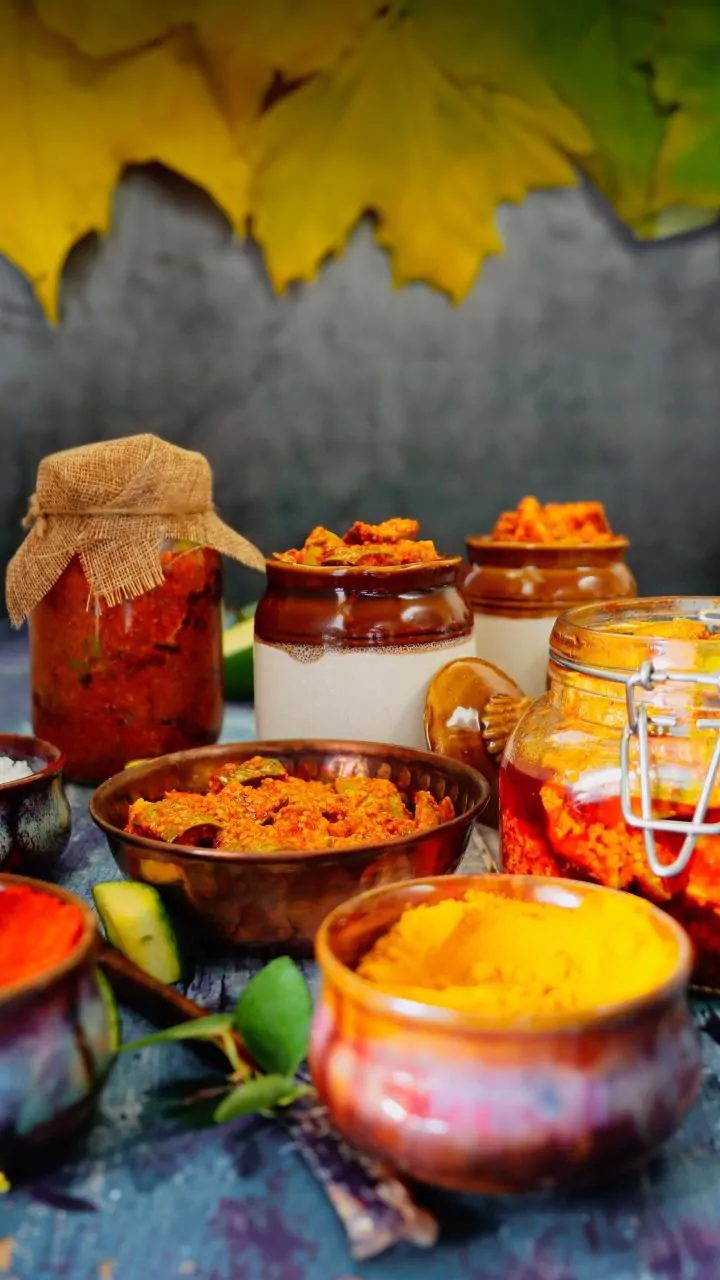
tradition, a culinary ritual that brings families and communities together. These recipes, often passed down through generations without ever being written down, represent a direct link to one's ancestors. Each jar encapsulates a region's unique identity, from the fiery mango pickles of North India to the tangy lemon and seafood varieties of the South. A meal in many Indian households is considered incomplete without that familiar jar on the table, a symbol of hospitality, love, and tradition.
The Renaissance of Regional Recipes
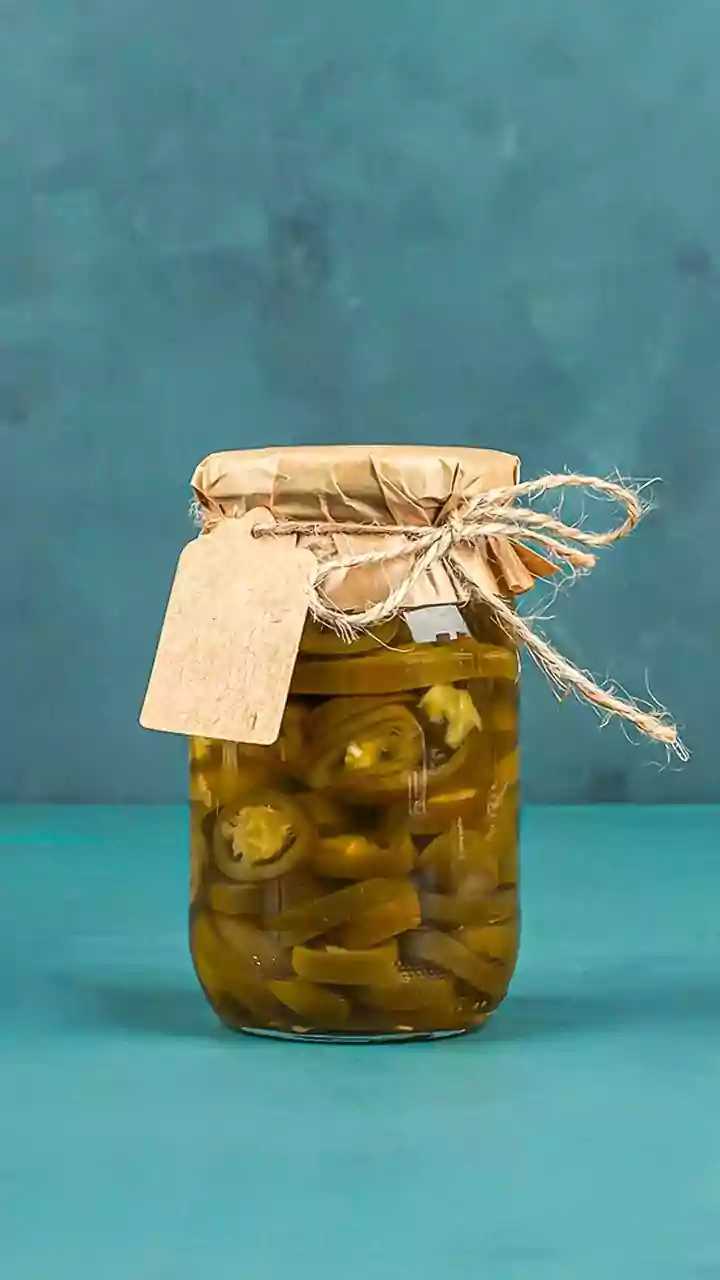
In recent years, a quiet revolution has been taking place. A new generation of chefs and artisanal producers is looking inward, championing hyper-regional ingredients and reviving heirloom recipes that were once at risk of being forgotten. Tired of a global narrative that often flattens the subcontinent's vast gastronomy into a few generic dishes, these culinary creators are exploring the true diversity of Indian food. This has sparked a resurgence in traditional foods, including a renewed appreciation for pickles. Brands like JhaJi, started by two sisters-in-law to share the authentic taste of Mithila, and Farmdidi, which empowers rural women entrepreneurs, are bringing handcrafted, preservative-free achaars to a wider audience. They focus on traditional sun-drying methods and sourcing ingredients from small-scale farmers, ensuring every bottle is a taste of authenticity.
A Modern Appetite for Authenticity
So, what's driving this pickle renaissance? The answer is multifaceted. For many, it's a powerful sense of nostalgia, a way to reconnect with the flavours of their childhood and the comfort of home-cooked meals. In an increasingly fast-paced world, there's a growing desire among modern diners, especially younger ones, to connect with hyperlocal flavours and cultural roots. This movement is also fuelled by a greater consciousness around health and wellness. Consumers are actively seeking out natural, artisanal foods without the artificial preservatives and flavours common in mass-produced products. The diverse and complex flavour profiles of regional pickles—from the sweet and sour Gujarati chhundo to the fiery Andhra Avakaya and the unique bamboo shoot pickles of the Northeast—offer a welcome alternative to standardised tastes.
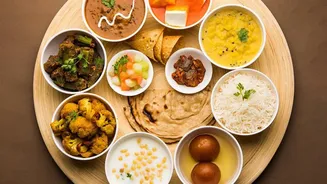
Beyond the Thali: Pickles as an Ingredient
The revival is also changing how pickles are used. No longer confined to the side of a plate of rice and dal, innovative chefs and home cooks are now using achaar as a versatile core ingredient. Its potent flavour is being used to create tangy marinades for grilled meats and vegetables, zesty salad dressings, and complex sauces for pasta. A spoonful of mango or garlic pickle can be stirred into yogurt or cream cheese to create a vibrant dip, or mixed with mayonnaise for a spicy sandwich spread. This creative reinterpretation moves the pickle from a traditional condiment to a secret weapon in modern fusion cuisine, showcasing its power to transform and elevate a wide range of dishes.