
Why Texture Is The Secret Ingredient
Flavour has long been seen as the most important part of a dish, but food scientists and chefs know that texture, or mouthfeel, is just as crucial for a satisfying meal. Texture is the physical sensation of food in your mouth—its crunch, creaminess, or chewiness.
It acts as a powerful subconscious signal for quality and freshness. A crisp salad feels fresh, a creamy soup feels indulgent, and a chewy bread feels hearty. When the texture matches our expectations, it enhances our enjoyment. When a chip is soggy or a curry is watery, the entire experience is a letdown, regardless of how it tastes. This is because our brains are wired to associate specific textures with certain foods, and a mismatch can be instantly off-putting.
The Anatomy of a Bad Substitution
Think about the last time a recipe substitution went wrong. You swapped out expensive pine nuts for a different nut in your pesto, but the result was gritty. Or maybe you used a soft vegetable in a stir-fry that called for firm broccoli, and it turned to mush. In most cases, the failure wasn't due to a bad flavour combination, but a textural clash. For example, using Greek yogurt instead of mayonnaise is a common healthy swap. While the tangy flavour can work, the difference in creaminess and density can alter a dish significantly. Similarly, replacing a firm-fleshed fish with a delicate one might work in a sauce, but it will fall apart on the grill. These experiences teach us a valuable lesson: a successful substitution requires thinking like a chef and considering how the new ingredient will feel, not just how it will taste.
A Simple Framework for Texture
To make better substitutions, you don’t need a degree in food science. You just need a simple mental checklist. Before swapping an ingredient, identify its primary textural role in the dish. Most food textures can be grouped into a few key categories: Crispy & Crunchy: This includes things like fresh bell peppers, nuts, fried onions, croutons, and the skin on roasted chicken. These ingredients add a satisfying auditory and physical crunch that signals freshness and provides contrast. Creamy & Smooth: Think of avocado, yogurt, mashed potatoes, polenta, and puréed soups. These foods provide a sense of richness and indulgence. Their smoothness can coat the palate and balance out other, more aggressive textures. Chewy & Firm: This category includes ingredients like steak, dense sourdough bread, al dente pasta, and firm tofu. These items require more effort to eat, which can contribute to a feeling of satiety and satisfaction. Soft & Tender: Picture a flaky piece of cooked fish, steamed asparagus, ripe berries, or a soft cheese. These ingredients are delicate and break apart easily, providing a gentle eating experience.
Making Smarter Swaps in Practice
With this framework, your substitutions become more strategic. If a recipe calls for crunchy walnuts, another crunchy nut like pecans or even toasted sunflower seeds will be a better textural fit than a softer nut like cashews. If you need to substitute ground beef, a mix of mushrooms and beans can mimic some of the texture, but you might want to add a crunchy element elsewhere to compensate for the loss of a firmer bite. In baking, this is especially critical. Replacing an egg with applesauce or a mashed banana works because they provide similar moisture and binding properties, but they can make the final product denser. If you're swapping a firm vegetable like cauliflower for broccoli in a roast, the textural transition will be seamless. But if you swap it with zucchini, you may need to adjust cooking time or method to avoid a watery result. The goal isn't a perfect one-to-one replacement but an intentional choice that respects the dish's original textural profile.
How to Rescue a Textural Mismatch
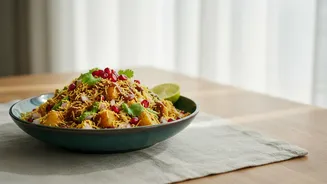
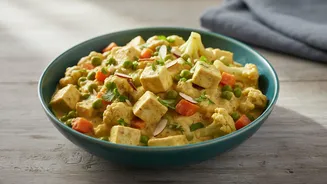
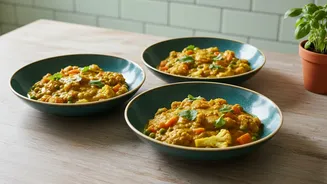
Sometimes, despite your best efforts, a substitution just doesn't work out, leaving you with a one-note, mushy, or unpleasantly uniform dish. Don't despair; you can often fix it by adding a contrasting texture back in. If your curry or stew is too soft, finish it with a sprinkle of toasted nuts, crispy fried shallots, or fresh, crunchy herbs. If a salad feels limp, add some toasted croutons or seeds. If a baked casserole is too homogenous, a crunchy breadcrumb or cheese topping can save the day. Considering texture isn't about rigid rules but about creating a more dynamic and engaging eating experience. A dish with multiple textures—something creamy, something crunchy, something chewy—is almost always more interesting and satisfying.