





What Makes a Food 'Ultra-Processed'?
The term 'ultra-processed food' comes from the NOVA classification system, developed by researchers at the University of São Paulo. It divides foods into four groups based on their level of processing. Group 1 is unprocessed or minimally processed foods like
fruits, vegetables, and grains. Group 2 includes culinary ingredients like oils and salt. Group 3 covers processed foods, such as canned vegetables or freshly baked bread. Group 4, ultra-processed foods, are industrial formulations made from substances extracted from foods or synthesized in labs. Think of ingredients you wouldn't find in a home kitchen: high-fructose corn syrup, hydrogenated oils, protein isolates, and additives like emulsifiers, artificial colours, and flavour enhancers. These foods are designed to be convenient, hyper-palatable, and have a long shelf life, often with minimal whole-food content.
The Case Against UPFs
A large and growing body of evidence links high consumption of UPFs to a range of health problems. Major studies and reviews have consistently found associations with higher risks of obesity, heart disease, type 2 diabetes, certain cancers, and even mental health issues like depression and anxiety. One comprehensive review found convincing evidence that higher UPF intake was associated with a roughly 50% increased risk of death related to cardiovascular disease. Researchers believe several factors are at play. UPFs are often high in added sugar, unhealthy fats, and salt, while being low in fibre and essential nutrients. Beyond their poor nutritional profile, the industrial processing itself might be a problem. These foods are engineered to be incredibly rewarding, potentially overriding our natural feelings of fullness and encouraging overconsumption. Some experts also point to the impact of additives and changes to the food's physical structure as potential sources of harm.
Is the UPF Label a Blunt Instrument?
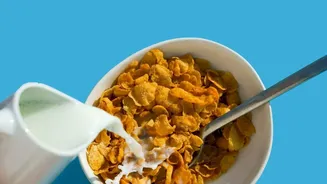
Despite the strong evidence, the UPF concept is not without its critics. A major point of contention is that the NOVA system is very broad, lumping a wide variety of foods into the same category. For example, a whole-grain breakfast cereal fortified with vitamins can be classified as a UPF alongside a sugary pastry with artificial colours. Critics argue that this ignores the nutritional differences between products. Some research even suggests that certain UPFs, like whole-grain breads and yogurts, can be part of a healthy diet. This has led some scientists to argue that focusing on the level of processing is less helpful than looking at a food's actual nutrient content. They contend that the real issue is the high levels of sugar, salt, and fat in many of these products, not the processing itself. There is also no single, universally agreed-upon legal definition for UPFs, which makes regulation difficult.
The Indian Context
In India, the conversation around UPFs is becoming increasingly urgent. Rapid economic growth and urbanisation have led to a significant dietary shift. Traditional, home-cooked meals are often being replaced by convenient, packaged foods. Studies show that the Indian UPF market has been growing rapidly, with products like sweet biscuits, salty snacks, and instant noodles leading the charge. This shift is linked to India's escalating public health crisis of non-communicable diseases (NCDs) like diabetes and heart disease, which now account for a majority of deaths in the country. Public health experts are calling for policy action, such as clear front-of-pack warning labels and marketing restrictions, to curb the rising consumption and protect the population from the negative health impacts.