



Tyres: Your First Line of Defence
Your tyres are the only part of the car in contact with the road, making them critical for monsoon safety. Wet roads dramatically increase braking distances and the risk of hydroplaning, where a layer of water builds between the tyre and the road, causing
a loss of control. Before your trip, check that your tyre tread depth is at least 3mm, which is necessary for effectively channelling water away. Also, verify the tyre pressure, including the spare, is at the manufacturer's recommended level. Under-inflated tyres can increase the risk of skidding. If your tyres are over five years old, consider replacing them, as the rubber hardens with age and loses grip on wet surfaces.
Brakes and Fluids: The Unseen Essentials
Effective brakes are non-negotiable in the rain. A 'spongy' brake pedal or any unusual sounds like squealing are red flags that need immediate attention from a mechanic. Wet conditions can nearly double your stopping distance, so your braking system must be in top form. Also, check all essential fluids. Ensure the engine oil, coolant, and brake fluid levels are between the minimum and maximum marks. Crucially, top up your windshield washer fluid with a proper cleaning solution, not just plain water, as it helps clear oily road spray and grime that's common during monsoons.
Visibility: See and Be Seen
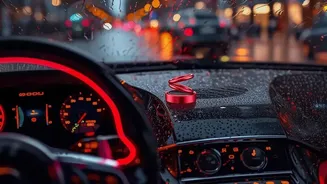
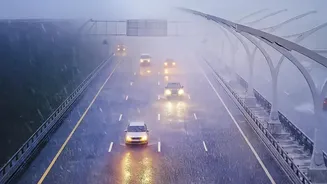
Heavy rain severely reduces visibility. Your first check should be the wiper blades. If they leave streaks or make a chattering sound, replace them. This is a small, inexpensive fix that makes a massive difference. Next, test all your lights: headlights (both high and low beams), tail lights, brake lights, and indicators. In downpours, it's wise to drive with your low-beam headlights on even during the day to make your vehicle more visible to other drivers. Avoid using high beams in heavy rain, as the light can reflect off the raindrops and worsen your own visibility. Finally, test your car’s air conditioner and defogger to ensure you can quickly clear a fogged-up interior windshield.
The Electrical System and Battery
Water and electricity don't mix, and the monsoon season can be harsh on your car's electrical systems. Before you leave, get your battery checked, especially if it's more than three years old. Ensure the terminals are clean and free of corrosion. Inspect the wiring in the engine bay for any exposed or cracked insulation that could lead to a short circuit when wet. A dead battery in the middle of a traffic jam during a downpour is an easily avoidable situation.
Your Monsoon Emergency Kit
A standard emergency kit needs a few monsoon-specific upgrades. Pack a tow rope, jumper cables, and a reliable torch with extra batteries. Add a few microfibre cloths to quickly wipe down foggy windows or mirrors. An umbrella, a raincoat, and a change of footwear are also highly recommended. It's also wise to have a power bank for your phone, a physical first-aid kit, and some non-perishable snacks and drinking water, in case you get stuck in a long traffic jam caused by waterlogging.
Safe Driving Practices on the Road
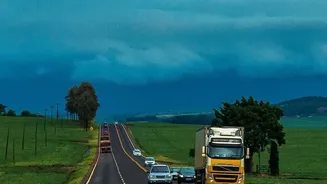
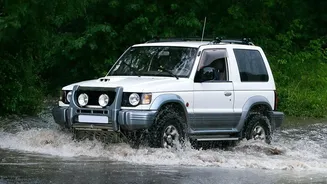
Preparation is only half the battle; how you drive matters just as much. Reduce your speed significantly on wet roads—a general rule is to drive at about two-thirds of your normal speed. Double the distance between your car and the vehicle in front to account for longer braking distances. Be wary of waterlogged roads. If the water appears to be deeper than the bottom of your car's wheel rims, it's best to avoid it. Driving through deep water can cause your car to stall, and attempting to restart a stalled engine in water can lead to catastrophic engine damage known as hydrostatic lock.