


Beyond the Conventional Gym
For many young Indians, the conventional gym experience has lost its lustre. The focus is often on aesthetics over functional strength, and the environment can feel sterile and individualistic. This has led to a search for alternatives that offer more
than just physical gains. Many are seeking workouts that connect them to a larger community and a deeper sense of purpose. This shift is part of a broader movement where fitness is viewed as a holistic experience, blending physical health with mental and social well-being. As the appeal of generic, one-size-fits-all programs wanes, the rich, diverse world of traditional Indian fitness is providing a powerful alternative.
The Resurgence of Ancient Arts
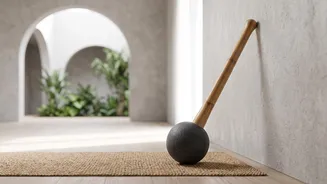
Across the country, ancient practices are finding a new, youthful audience. Kalaripayattu, a martial art from Kerala often cited as one of the oldest in the world, is seeing a surge in popularity. Its combination of strikes, weaponry, and fluid, animal-inspired movements offers a dynamic workout that builds strength, agility, and mental focus. Similarly, Mallakhamb, a discipline involving gymnastic feats on a vertical pole or rope, is being rediscovered. Historically a training method for wrestlers, it develops incredible core strength, balance, and flexibility. Even the traditional Akhada, or wrestling pit, is being looked at for its raw, functional approach to building power and endurance with tools like the Gada (mace).
A Search for Identity and Holistic Wellness
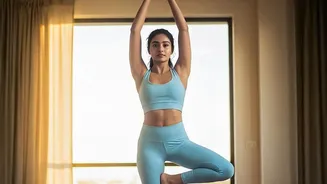
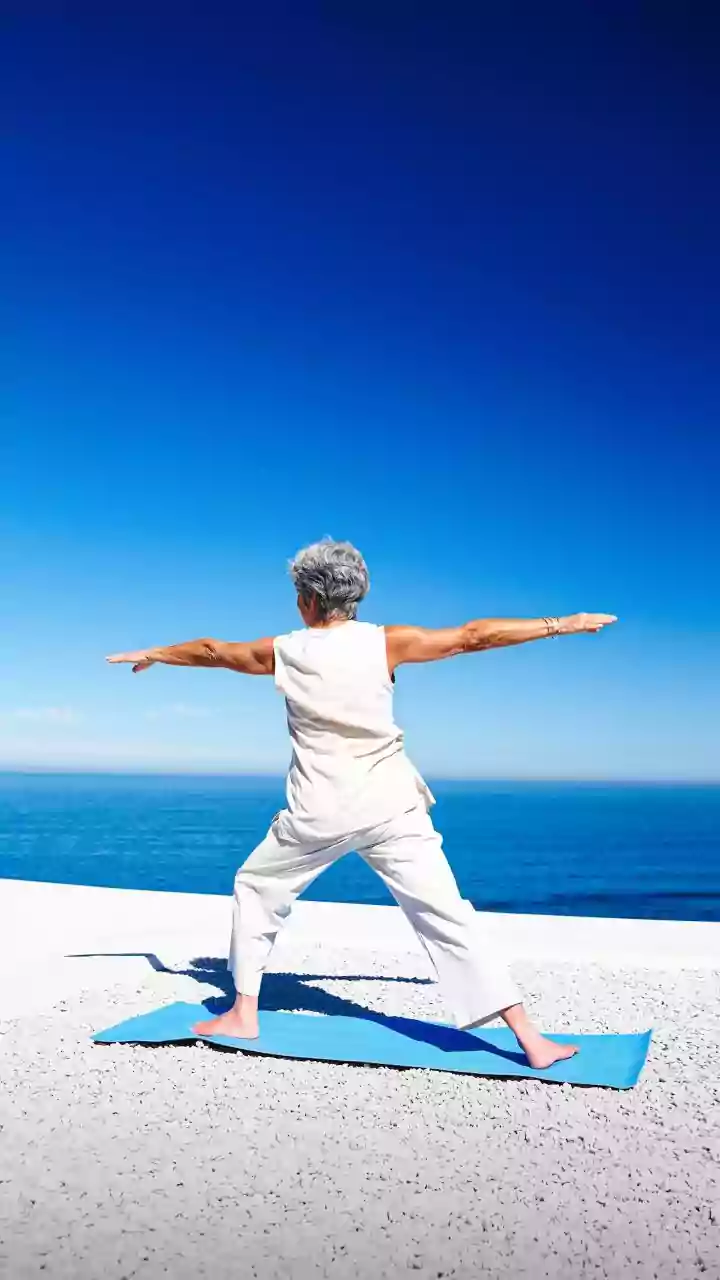
This trend is more than just a fitness fad; it represents a deeper cultural shift. For many young people, embracing traditional exercise is a way to connect with their heritage and forge a sense of identity. These practices are deeply rooted in Indian culture and philosophy, offering a stark contrast to Western-centric fitness models. They emphasize a holistic union of body, mind, and spirit. For example, Yoga and Kalaripayattu are not just physical exercises; they are disciplines that incorporate breathwork, meditation, and a philosophy of life. This integrated approach, which often involves diet and community, resonates with a generation seeking authenticity and balance in a fast-paced world.
Mind, Body, and Cultural Roots
The appeal of these ancient forms lies in their promise of comprehensive well-being. Practices like swinging Indian clubs (Mudgar) enhance shoulder mobility and grip strength while promoting a meditative mind-body connection. Kalaripayattu training is known to instill discipline and self-confidence. The community aspect is also a significant draw. Unlike the solitary nature of many gym workouts, traditional practices are often learned in groups, fostering social bonds and a sense of belonging. Government initiatives like the Khelo India Games have also played a role by including sports like Kalaripayattu and Mallakhamb, giving them national visibility and inspiring a new generation of practitioners.