


The holy month of Sawan brings a period of spiritual devotion, often marked by fasting. But observing a vrat doesn’t have to mean feeling drained. Nutritionists suggest that with mindful eating, your fast can be a comfortable and energising experience.
Prioritise Hydration All Day Long
Dehydration is a common issue during fasting, especially in the humid monsoon weather, and can lead to headaches and fatigue. Nutrition experts emphasise the importance of drinking plenty of fluids. Water is essential, but you can also include coconut water, buttermilk, fresh fruit juices without added sugar, and lemon water to maintain your fluid and electrolyte balance. Staying well-hydrated is often the first step to ensuring your fast is a comfortable one, as thirst can sometimes be mistaken for hunger.
Embrace Nutrient-Dense Vrat Flours
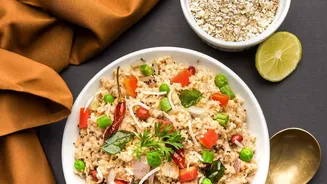
While regular grains like wheat are avoided, Sawan fasting allows for a variety of nutritious flours. Flours such as kuttu (buckwheat), singhara (water chestnut), and rajgira (amaranth) are excellent alternatives. These flours are not only permissible but are also packed with nutrients. Rajgira, for instance, is naturally gluten-free and contains a good amount of protein, providing sustained energy. Instead of deep-fried pooris, you can use these flours to make rotis, parathas, or cheelas for a healthier meal.
Power Up with Plant-Based Proteins
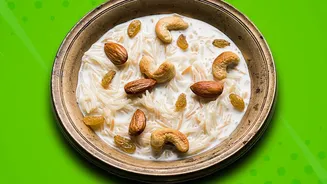
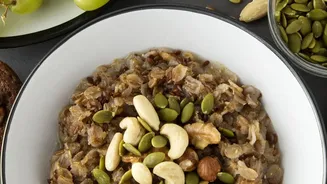
Many traditional fasting foods are heavy on carbohydrates, but getting enough protein is crucial for staying full and maintaining muscle health. Nutritionists strongly recommend incorporating protein-rich foods into your vrat meals. Paneer (cottage cheese) is one of the best sources, which can be grilled or lightly sautéed. Dairy products like milk, curd, and lassi are also great options. Additionally, nuts and seeds like almonds, walnuts, and peanuts provide a powerful combination of protein and healthy fats to keep your energy levels stable.
Fill Up on Fruits and Vegetables
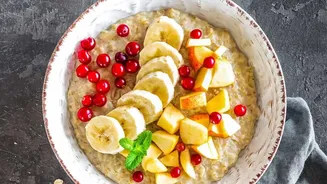
Fruits are a cornerstone of a healthy vrat diet, offering natural sugars for energy, essential vitamins, and fibre. Bananas, apples, papayas, and pomegranates are excellent choices. It's generally better to eat whole fruits rather than drinking juices to get the full benefit of the fibre, which helps you feel full longer. Among vegetables, options like potato, sweet potato, bottle gourd (lauki), and pumpkin are permitted and can be prepared in healthy ways. A simple sweet potato chaat or a bowl of lauki can be both nourishing and satisfying.
Rethink Your Reliance on Sabudana
Sabudana (tapioca pearls) is a beloved fasting staple, but experts advise consuming it mindfully. While it provides quick energy, sabudana is predominantly starch with little fibre or protein. This can cause a spike in blood sugar followed by a crash, leaving you feeling hungry and tired. Many traditional preparations involve deep-frying, like sabudana vada. To make it healthier, opt for a simple sabudana khichdi with peanuts and vegetables, and be mindful of your portion sizes.
Choose Smart and Healthy Snacks
For those mid-meal hunger pangs, it's easy to reach for fried potato chips. However, nutritionists suggest healthier alternatives to maintain energy without the bloating. Roasted makhana (fox nuts) are a fantastic snack—they are light, crunchy, and rich in protein and calcium. A handful of mixed dry fruits and nuts like almonds and walnuts is another excellent way to get a dose of healthy fats and protein. A simple fruit chaat can also be a refreshing and nutrient-dense snack.