






The Buzz About a New Repellent
Imagine protecting a rooftop farm not with sprays, but with sound. This is the core idea behind acoustic pest management, a technology moving from theory to reality. The concept, known as bio-acoustics, involves emitting specific sound frequencies to interfere
with the behavior of pests. These aren't just loud, random noises; they are targeted ultrasonic or sonic waves, often operating at frequencies above what humans can hear. The goal is to make an area inhospitable for specific pests, disrupting their communication, navigation, or feeding habits, and encouraging them to leave without causing them physical harm. For example, some systems mimic the ultrasonic calls of predators like bats to repel moths, tapping into their evolved escape instincts. For urban organic farms, where maintaining ecological balance and avoiding chemical drift is paramount, this technology offers a compelling, non-toxic alternative to traditional methods.
From Lab Theory to Rooftop Fields
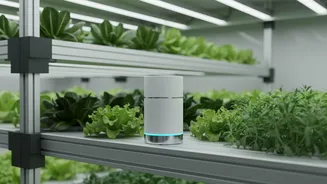
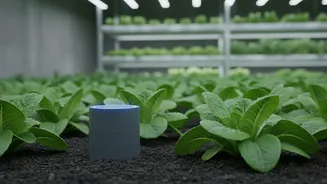
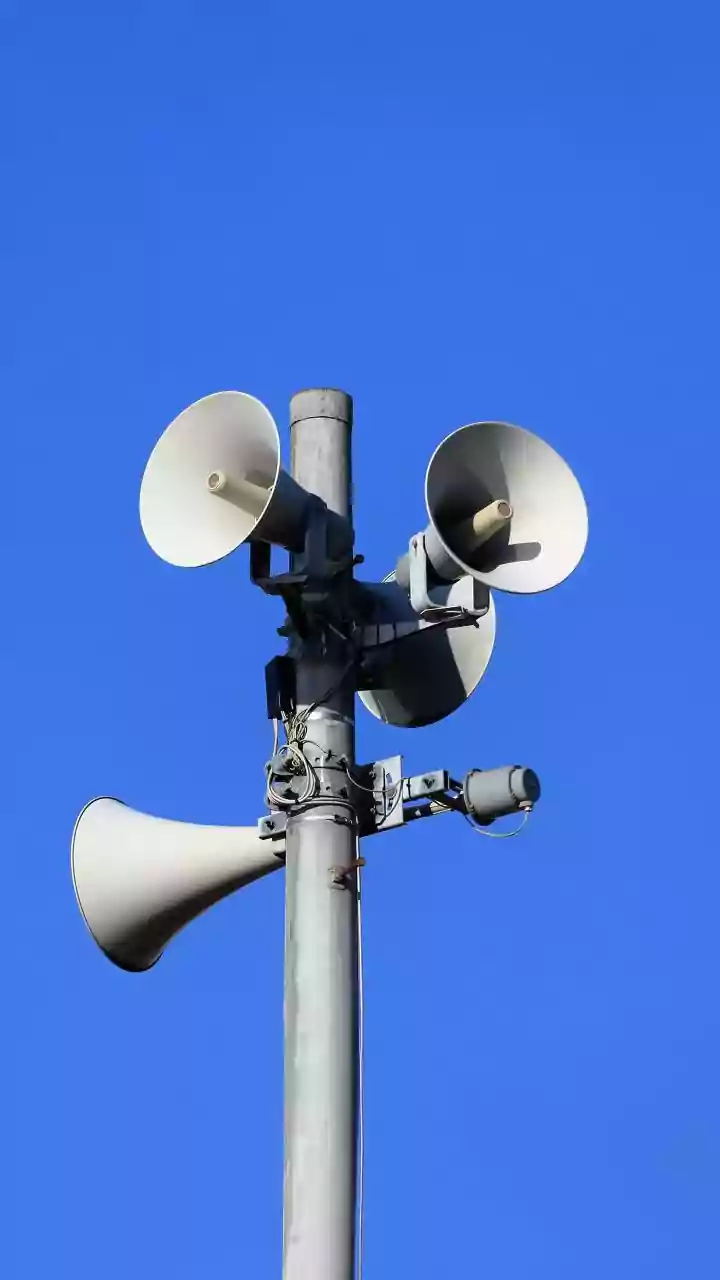
Deploying this technology involves more than just setting up a speaker. Modern acoustic pest control systems are often sophisticated, IoT-enabled networks. Sensitive microphones first listen for the distinct sounds of pest activity, like the chewing of an insect or the call of a pest bird. Once a target pest is identified, often with the help of machine learning algorithms, the system activates emitters that broadcast the specific repellent frequencies. These emitters are designed to be durable enough for agricultural settings and can be arranged to cover an entire growing area, from raised beds on a rooftop to vertical racks in an indoor farm. The technology can be tailored for different pests, whether it's emitting vibrations to dislodge aphids from leaves or broadcasting sounds that deter birds from landing. This precision ensures that beneficial organisms, like pollinators, are often unaffected, a critical advantage for any organic operation.
The 'Safe and Organic' Advantage
The primary appeal for urban and organic farmers is the elimination of chemical inputs. Traditional pesticides are often restricted or undesirable in cities due to the close proximity to people and residences. Sound-based systems leave behind no residue on crops, in the soil, or in the water runoff. This makes it easier for farms to meet stringent organic certification standards and appeal to health-conscious consumers. Furthermore, the safety extends to the wider urban ecosystem. By repelling pests rather than killing them with broad-spectrum poisons, these systems help preserve biodiversity, including crucial pollinators and other beneficial insects. This aligns with the principles of Integrated Pest Management (IPM), a strategy that prioritizes sustainable, biology-based solutions over purely chemical ones. While other physical barriers like row covers are effective, acoustic methods offer a dynamic, automated layer of protection.
The Sound of the Future?
Despite its promise, acoustic pest control isn't a silver bullet just yet. One of the main challenges is pest habituation—the risk that pests will simply get used to the sounds over time. To counter this, advanced systems vary the frequency, intensity, and timing of the sounds to keep pests on their toes. The effectiveness can also vary significantly depending on the pest species, the farm's layout, and ambient background noise. Another hurdle is the initial investment. The cost of sophisticated sensor and emitter networks can be higher than traditional methods, which may be a barrier for smaller urban farms. However, as the technology becomes more widespread and refined, costs are expected to decrease. Researchers continue to fine-tune the specific frequencies that repel different pests, building a larger library of acoustic tools for farmers to draw upon in the fight for healthier, more sustainable food production in our cities.