





The Shifting Tides of Monsoon Travel
For years, the June to September monsoon was considered the definitive off-season for Indian tourism. Travellers would postpone plans, and hotels in leisure destinations would slash prices to attract the few who dared to venture out. That perception is rapidly
changing. The monsoon is now emerging as a preferred travel season, with destinations across the country reporting a significant uptick in bookings. Rather than being an obstacle, the rain is becoming the main attraction, transforming landscapes into vibrant, emerald-green spectacles. This shift means that while the deep off-season discounts of the past are becoming rarer, the season still holds incredible potential for value if you know where and how to look.
Choose Your Monsoon Paradise Wisely
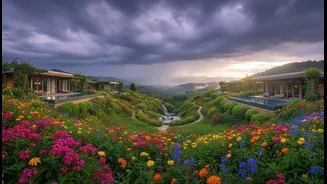
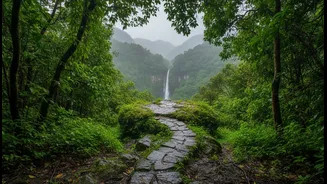
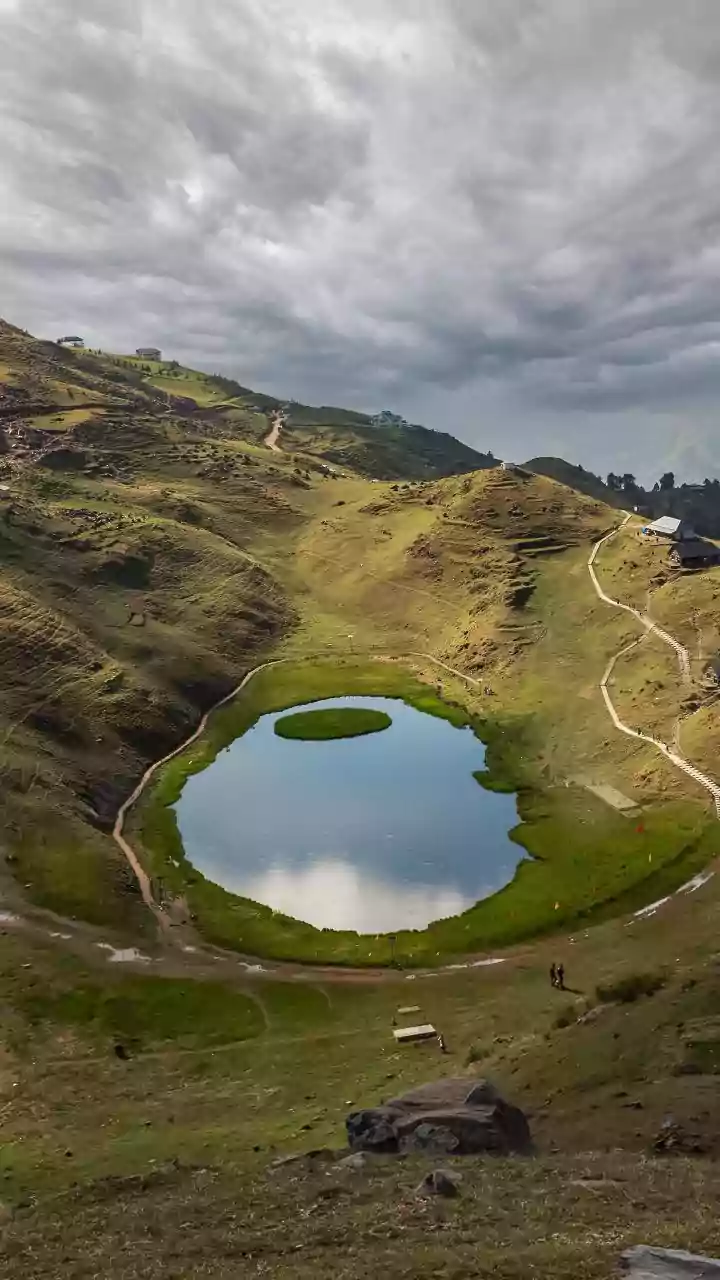
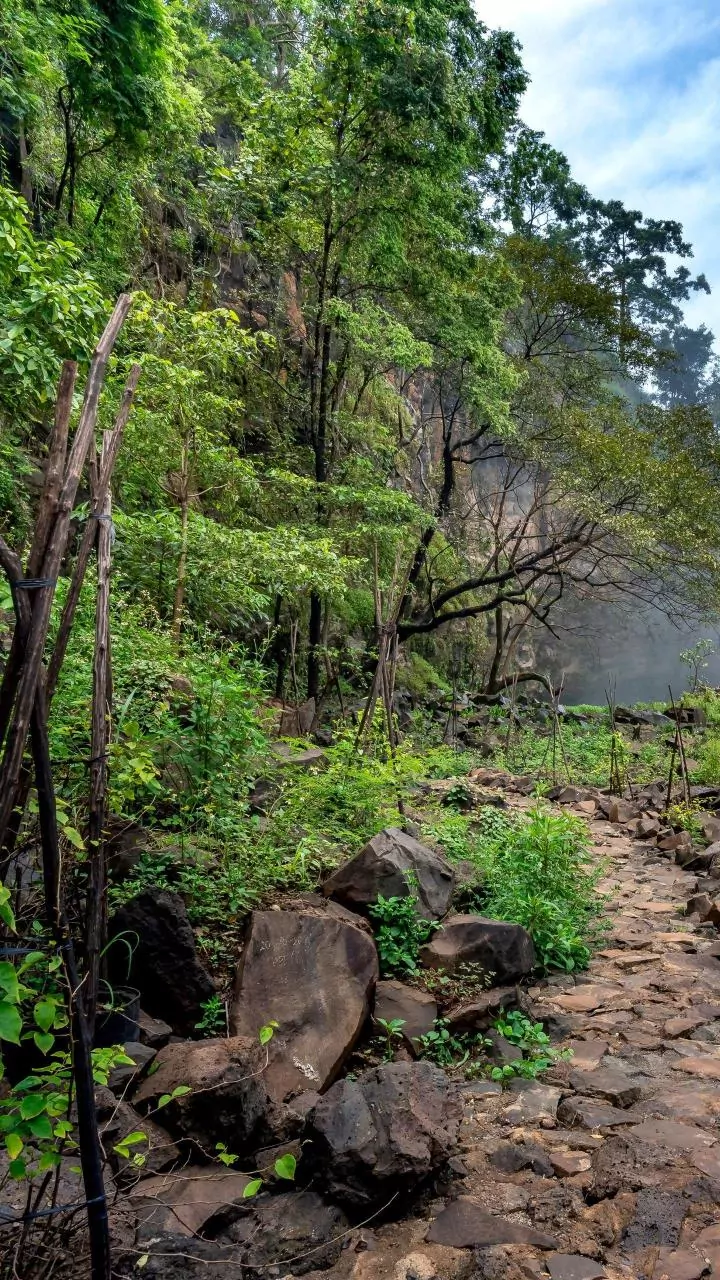
Getting the best value starts with picking the right destination. While some regions are best avoided due to heavy flooding or landslide risks, many parts of India are at their most beautiful during the rains. Hill stations like Lonavala, Munnar, Coorg, Wayanad, Kodaikanal, and Mussoorie are seeing booking growth of seven to ten times compared to previous years. Destinations in the Western Ghats, the Aravallis in Rajasthan, and parts of the Himalayan foothills offer stunning scenery with lush forests and overflowing waterfalls. Cities like Udaipur, often seen as a winter destination, take on a romantic, misty charm. Even Goa, once quiet during the rains, now sees a 40% rise in hotel searches as travellers discover its greener, more tranquil side. By choosing locations that thrive in the monsoon, you’re not just getting a trip; you’re getting a unique seasonal experience.
Mastering the Art of the Booking
Finding value in a newly popular season requires a smart booking strategy. While traditionally the monsoon meant last-minute deals were abundant, the increasing demand is changing the game. Travel platforms are now running dedicated 'Monsoon Travel Sales' with significant discounts on flights and hotels, but these often have a limited window, such as the recent one from July 7-10. Booking about 7 to 12 days in advance is often cited as a sweet spot for monsoon travel deals. However, for popular weekend spots like Lonavala or Mussoorie, booking further ahead might be wise. Another key tip is to be flexible. Travelling on weekdays can often unlock lower prices compared to the weekend rush. Don't forget to check hotel websites directly, as many offer exclusive packages or perks that aren't available on aggregator sites.
Look Beyond the Room Rate
A great-value break isn't just about the cheapest room. Hotels are increasingly bundling stays with experiences to attract monsoon travellers. Look for packages that include meals, complimentary airport transfers, spa credits, or guided nature walks. During the rains, when you might spend more time at the resort, these inclusions can add significant value. Many properties, from large chains like Taj and Royal Orchid to boutique resorts, now offer curated monsoon packages that focus on wellness, local cuisine, and indoor activities. Some hotels report that these promotions are tripling their footfall for food and beverage operations, showing a clear trend towards experience-led stays. This bundled approach means your holiday budget stretches further, covering more than just a place to sleep.