



1. Prioritise Paw Care
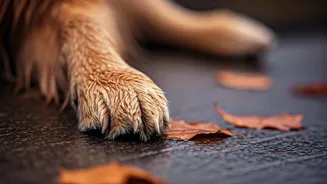
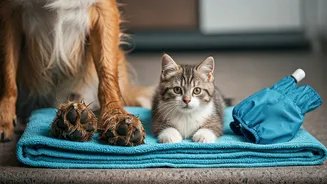
Your pet's paws are their first point of contact with wet, muddy, and potentially contaminated surfaces. Constant dampness can lead to painful fungal and bacterial infections between their toes. After every single walk, no matter how short, make it a non-negotiable
routine to clean and dry their paws thoroughly. Use a soft towel to get them completely dry, paying special attention to the area between the paw pads. You can also use a mild antiseptic solution diluted in lukewarm water for cleaning. Trimming the hair around their paws can also help them dry faster and prevent mud from clumping.
2. Master the Post-Walk Dry-Off
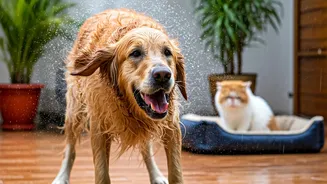
A damp coat is a breeding ground for skin problems like rashes, hotspots, and fungal infections. Simply towelling them off might not be enough, especially for long-haired breeds. Invest in a highly absorbent microfibre towel. For a more thorough job, a pet-specific hairdryer on a low-heat, low-speed setting can be a lifesaver. Keep the dryer moving and at a safe distance to avoid burning their skin. A completely dry coat not only prevents skin issues but also stops that familiar ‘wet dog’ smell from taking over your home.
3. Boost Their Grooming Routine
The high humidity of the monsoon season can wreak havoc on your pet’s skin and coat. Regular brushing is more important than ever to remove loose fur, prevent matting, and allow air to circulate, which helps keep the skin dry. This is also the perfect time to do daily checks for any signs of trouble. Look for redness, rashes, bald patches, or any unusual bumps. Be extra vigilant about ticks and fleas, which thrive in damp, humid conditions. Consult your vet about the best tick and flea prevention for your pet during this high-risk season.
4. Adjust Diet and Hydration
With reduced outdoor activity, your pet might not be burning as many calories. A slight adjustment to their food portions can prevent unnecessary weight gain. More importantly, focus on immunity-boosting foods. Consider adding fibrous vegetables like pumpkin or carrots to their diet. Ensure they always have access to clean, fresh drinking water. Rainwater collected in puddles is often contaminated with parasites and pollutants, so actively discourage them from drinking from outside sources during walks. If your pet has a sensitive stomach, adding a vet-approved probiotic can help maintain good gut health.
5. Create an Indoor Playground
Shorter walks and more time indoors can lead to boredom and pent-up energy, which may manifest as destructive behaviour. Keep your pet mentally and physically stimulated inside. Invest in puzzle toys, treat-dispensing balls, or snuffle mats to engage their minds. A simple game of fetch down a hallway or a session of hide-and-seek can be great exercise. Teaching them a new trick is another fantastic way to bond and provide mental stimulation. A happy, engaged pet is less likely to feel the monsoon blues.
6. Be Wary of Outdoor Hazards
When you do venture out, be mindful of the unique dangers the monsoon presents. Waterlogged streets can hide open manholes or sharp debris. Puddles can host leptospirosis, a serious bacterial disease. Steer your pet clear of stagnant water. The sound of thunder and lightning can also be terrifying for many animals. If your pet suffers from storm anxiety, create a safe, cosy den for them in a quiet part of the house and consider using calming jackets or diffusers. Never leave them tethered outside during a storm.