



Before You Leave: Check Everything
The first rule of a safe monsoon commute is to know what you’re heading into. Before stepping out, check the latest weather updates from the India Meteorological Department (IMD) and advisories from the Brihanmumbai Municipal Corporation (BMC). Official
social media handles and apps like the Mumbai Weather live app can provide real-time information on rainfall intensity, wind speeds, and high tide timings, which can significantly worsen waterlogging. Also, check the status of local trains and buses through official apps and traffic police updates. Knowing about delays, cancellations, or waterlogged routes can help you decide whether to work from home, leave later, or take an alternate route.
Your Commute Strategy: Be Flexible
Your usual 45-minute journey can easily become a three-hour ordeal. Rigidity is the enemy. Have a primary and a backup travel plan. If the local train network is struggling, identify the best bus or metro route in advance. During heavy downpours, the Metro is often more reliable than road or rail transport. If you drive, map out alternative routes that avoid known waterlogging hotspots like the Andheri subway or areas in Sion and Kurla. Sometimes, the safest decision is not to travel at all. If authorities issue a red alert and advise residents to stay indoors, it’s crucial to listen and, if possible, arrange to work from home.
The Monsoon Commuter’s Survival Kit
A well-packed bag is your best friend. Your monsoon kit should be about more than just staying dry. First, ensure connectivity with a fully charged power bank. Your phone is your lifeline for tracking your journey, contacting family, and getting emergency updates. Pack a waterproof cover for your bag and ziplock pouches for electronics and wallets. Include a small, quick-dry towel, hand sanitiser, and basic medications for fever or cuts. Given the potential for long delays, carrying a water bottle and some dry snacks like energy bars is a smart move. A physical card with emergency contacts and helpline numbers like the BMC's 1916 is also recommended.
Dress for the Deluge, Not Just the Office
Monsoon commuting demands practical attire. Opt for quick-drying fabrics and, if possible, carry your formal office wear separately to change into. Waterproof footwear with a good grip is non-negotiable to navigate slippery station platforms and uneven, submerged pavements. Avoid open-toed sandals when wading through water is likely, as floodwater is often contaminated and can cause infections. A sturdy poncho can be more effective than an umbrella in crowded trains and windy conditions, as it covers both you and your backpack. Many office-goers keep a spare pair of clothes and footwear at their workplace as a standard monsoon practice.
Navigating Waterlogged Streets Safely
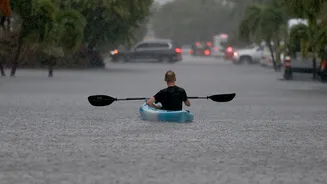
Wading through floodwater should be a last resort, as it can hide open manholes, sharp debris, and submerged electrical wires. This water is often a toxic mix of rainwater, sewage, and chemicals, posing a significant risk of infections like leptospirosis. If you must walk through water, tread carefully and try to follow the path of others. After reaching your destination, wash your feet and legs thoroughly with soap and water. Be extremely cautious around any structure that could be unstable in high winds, including trees, hoardings, and old buildings. Authorities frequently advise maintaining a safe distance from such hazards.
Vehicle Safety for Drivers
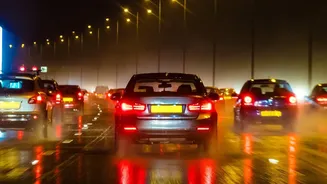
If you are driving a car or riding a two-wheeler, the risks multiply. Ensure your vehicle’s tyres, brakes, and wipers are in excellent condition. Drive slowly and maintain a safe distance from the vehicle ahead, as braking distances increase on wet roads. Never attempt to drive through deep, stationary water, as it can cause your vehicle to stall and lead to serious engine damage. Parking is another concern; avoid leaving your vehicle under old trees, which are prone to collapsing during heavy rain and strong winds. If you get stranded, it's often safer to abandon the vehicle in a secure spot and seek shelter than to remain inside in a severely waterlogged area.