






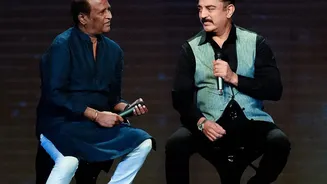
The Fading Star Guarantee
For decades, the formula for a hit film in India was simple: cast a bankable superstar, add lavish song sequences, and release on a major holiday. Success was practically assured. But recent trends suggest this formula is losing its magic. Several big-budget
films headlined by the industry's biggest names have underperformed in 2025 and 2026, while smaller, unassuming films have captured the public's imagination and box office revenue. It's not that stardom is irrelevant, but it's no longer a substitute for a compelling story. The audience, once drawn primarily by the charisma of their favourite actor, is now asking for more. This marks a fundamental power shift, where the script, not the star, is becoming the main draw.
The Great Taste Evolution
A major catalyst for this change has been the rise of over-the-top (OTT) streaming platforms. With access to a global library of films and series at their fingertips, Indian viewers have been exposed to an unprecedented variety of storytelling styles, genres, and narrative structures. This exposure has cultivated a more discerning palate. Audiences are now more aware of what constitutes a well-crafted plot, nuanced characters, and high production values. They are less willing to forgive lazy writing or formulaic plots, regardless of the star attached. This 'streaming effect' has inadvertently raised the bar for domestic cinema, forcing filmmakers to innovate rather than rely on old tropes.
Content is King, Finally
So, what kind of content is this new audience rewarding? The answer lies in authenticity and strong narratives. Films that are deeply rooted in specific cultural contexts, explore relatable human emotions, or present a fresh, original concept are finding immense success. The phenomenal performance of regional cinema is a powerful testament to this trend. Films from the Malayalam, Tamil, and Kannada industries have broken out of their traditional markets to become pan-Indian hits, often with no major Bollywood stars. Their success proves that language is no longer a barrier when the story is powerful enough to transcend it, aided by the widespread acceptance of subtitles and dubbing. This has put the focus squarely back on writers and directors who can deliver engaging and original stories.
The Power of Word-of-Mouth
In the age of social media, the audience is no longer a passive recipient. Every viewer is a critic, and their collective voice can make or break a film within hours of its release. A strong opening weekend is still important, but the real test is the 'Monday hold'. Films that generate positive word-of-mouth see their collections grow over time, propelled by enthusiastic recommendations online. Conversely, a film that relies solely on marketing hype without delivering on its promise can be swiftly dismissed by the public. This has made audiences, particularly the crucial under-30 demographic that drives opening day collections, the most powerful marketing tool in the industry. Studios are learning that a film's quality and its ability to connect emotionally are its most sustainable assets.
A New Blueprint For The Industry
This shift doesn't mean the end of big-budget spectacles. There will always be a place for grand, event-style cinema. However, the industry is waking up to the reality that not every film needs to be a 300-crore epic. There is a thriving, profitable market for mid-budget films that prioritize story over scale. Producers are beginning to see the wisdom in investing more in script development and unique concepts, rather than allocating the majority of the budget to star fees. This change encourages a more diverse and creative ecosystem, where new talent can emerge and different kinds of stories can be told. It signals a move away from a risk-averse, formula-driven model to one that rewards innovation and quality.