


The Problem with Today's EV Batteries
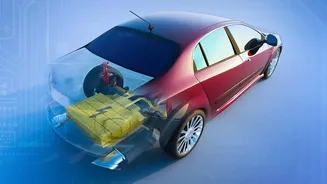
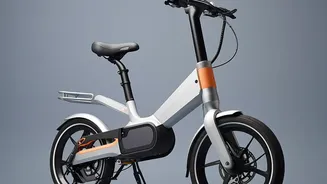
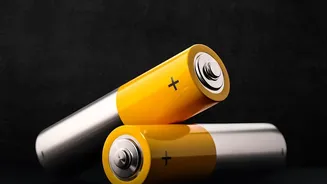
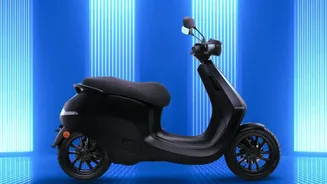
The heart of any electric vehicle is its battery, and for years, the dominant technology has been the lithium-ion battery. It’s the same tech that powers your smartphone and laptop. For electric scooters and motorcycles, these batteries are the single
most expensive component, often accounting for 40-50% of the vehicle's total cost. Currently, a replacement lithium-ion battery for a scooter in India can cost anywhere from ₹20,000 to over ₹50,000. Beyond the high price, lithium-ion batteries have other drawbacks. They use a liquid electrolyte, which can be flammable, posing safety risks if the battery is damaged or overheats. This requires manufacturers to build in complex and costly cooling and safety management systems, adding weight and expense. They also have limits on how fast they can charge and how much energy they can store for their size, which leads to range anxiety for many riders.
Enter the Game-Changer: Solid-State Batteries
Imagine a battery that replaces the flammable liquid inside with a thin, solid material. That’s the core concept behind the solid-state battery. By using a solid electrolyte instead of a liquid one, these next-generation batteries solve many of the problems plaguing current EVs. This seemingly simple change has massive implications. Solid-state batteries are inherently safer because they eliminate the flammable liquid, drastically reducing fire risk. They are also much more energy-dense, meaning they can store significantly more power in the same amount of space, or provide the same range in a much smaller, lighter package. This increased density is a key reason they are seen as a revolution for EVs.
The Path to a Lower Price Tag
So, how does this new technology lead to a cheaper electric scooter? The cost reduction comes from several areas. Firstly, higher energy density means manufacturers can use smaller and lighter battery packs to achieve the same range, directly cutting down on material costs. Secondly, their enhanced safety means they require less-complex and cheaper cooling and protection systems, further reducing the bill of materials and simplifying manufacturing. Another significant advantage is their potential for a much longer lifespan, withstanding more charge and discharge cycles than traditional batteries. This improves the total cost of ownership for the consumer, as the battery won't need replacement as quickly. Finally, as companies perfect mass-production techniques, the manufacturing cost of solid-state cells is expected to drop significantly, making them cheaper to produce than today's lithium-ion batteries.
From the Lab to the Road
For years, solid-state batteries have been hailed as a technology that is perpetually 'five years away'. However, that narrative is finally changing as major companies are moving from lab research to real-world testing and pilot production lines. Companies like Toyota, Nissan, Honda, Samsung SDI, and BYD have all announced significant progress and are targeting commercial production between 2027 and 2030. For example, Honda has opened a demonstration production line to refine its manufacturing process, while Samsung SDI has already sent samples to customers who have given positive feedback. Prototypes have been successfully tested in cars, showing dramatic increases in range—in one case, a modified vehicle travelled nearly 1,200 km on a single charge. These tests prove the technology is viable and the focus has now shifted to scaling production and bringing down costs.
When Will You See This in India?
While the breakthroughs are exciting, you shouldn't expect to find a solid-state battery in a budget-friendly scooter tomorrow. The initial rollout, expected around 2027-2028, will likely be in high-end electric cars. The main challenge remains perfecting manufacturing at a massive scale to bring down the initially high production costs. However, the learnings from the car market will quickly trickle down. Given India's massive and growing electric two-wheeler market, it's a prime target for this technology once costs become competitive. Industry experts predict that mass production for mainstream vehicles will begin around 2030, which is when we can realistically expect to see the impact on sticker prices in Indian showrooms. This aligns with the Indian government's push for local battery manufacturing, which will be crucial for adoption.