


The Art of the Tadka
Known as tadka, chaunk, or vaghar across different regions, tempering is the technique of blooming whole or ground spices in hot fat, like ghee or oil, to release their essential oils and deepest flavours. This aromatic mixture is then poured over the cooked
dal and rice, instantly elevating the dish from simple sustenance to a culinary experience. A few common tadka ingredients include cumin seeds, mustard seeds, asafoetida (hing), and dried red chillies. However, the specific combination of spices is what defines each regional khichdi's unique character.
The North Indian Classic: Simple and Soothing
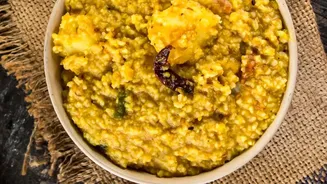
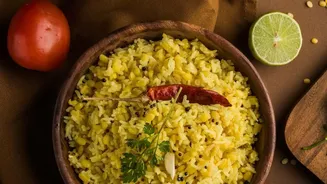
Often the first version of khichdi one encounters, the classic North Indian style is minimalism at its best. Made primarily with moong dal and rice, it’s cherished for being light on the stomach, making it a go-to meal during illness or for a simple, restorative dinner. The tempering is suitably gentle, designed to soothe rather than excite the palate. Typically, it involves heating ghee and sputtering cumin seeds, sometimes with a bit of grated ginger and a pinch of asafoetida (hing), which aids digestion and imparts a mild, savoury flavour reminiscent of onions and garlic.
Gujarat’s Pride: Vaghareli Khichdi
In Gujarat, khichdi is a staple, but the 'Vaghareli Khichdi' takes it to another level. 'Vaghar' is the Gujarati word for tempering, and this version is defined by a more complex and aromatic spice blend. While the base is still rice and lentils (often tuvar dal or moong dal), the tempering is far more robust. A typical vaghar includes mustard seeds, cumin seeds, cloves, cinnamon sticks, bay leaves, and curry leaves, all bloomed in ghee. Vegetables like potatoes, peas, and carrots are often added, making it a hearty, flavour-packed one-pot meal.
Bengal's Festive Treat: Bhog’er Khichuri
In Bengal, khichuri is not just comfort food; it's a celebration. 'Bhog'er Khichuri' is a fragrant, rich version made as a sacred offering (prasad) during festivals like Durga Puja. It is traditionally made with roasted moong dal, which lends a nutty aroma, and a short-grain, fragrant rice like Gobindobhog. What truly sets it apart is the tempering, which often uses mustard oil and the iconic Bengali five-spice blend, 'panch phoron' (a mix of fenugreek, nigella, cumin, black mustard, and fennel seeds). Along with bay leaves, dried red chillies, and ginger, this khichuri is often sweet, spicy, and deeply aromatic.
A Southern Cousin: Ven Pongal
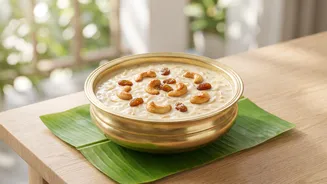
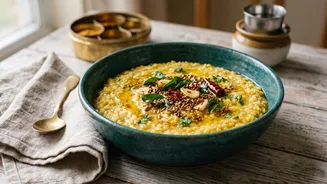
While not called khichdi, Tamil Nadu's Ven Pongal shares the same soul of rice and moong dal cooked to a soft, porridge-like consistency. It's a beloved breakfast dish and is considered a South Indian counterpart to khichdi. The tempering is distinct and delicious, featuring a generous amount of ghee, whole black peppercorns, cumin seeds, curry leaves, and often cashews, which are fried until golden. A pinch of asafoetida and grated ginger rounds out the flavour, creating a dish that is creamy, peppery, and incredibly satisfying.
The Rajasthani Twist: Gehun ki Khichdi
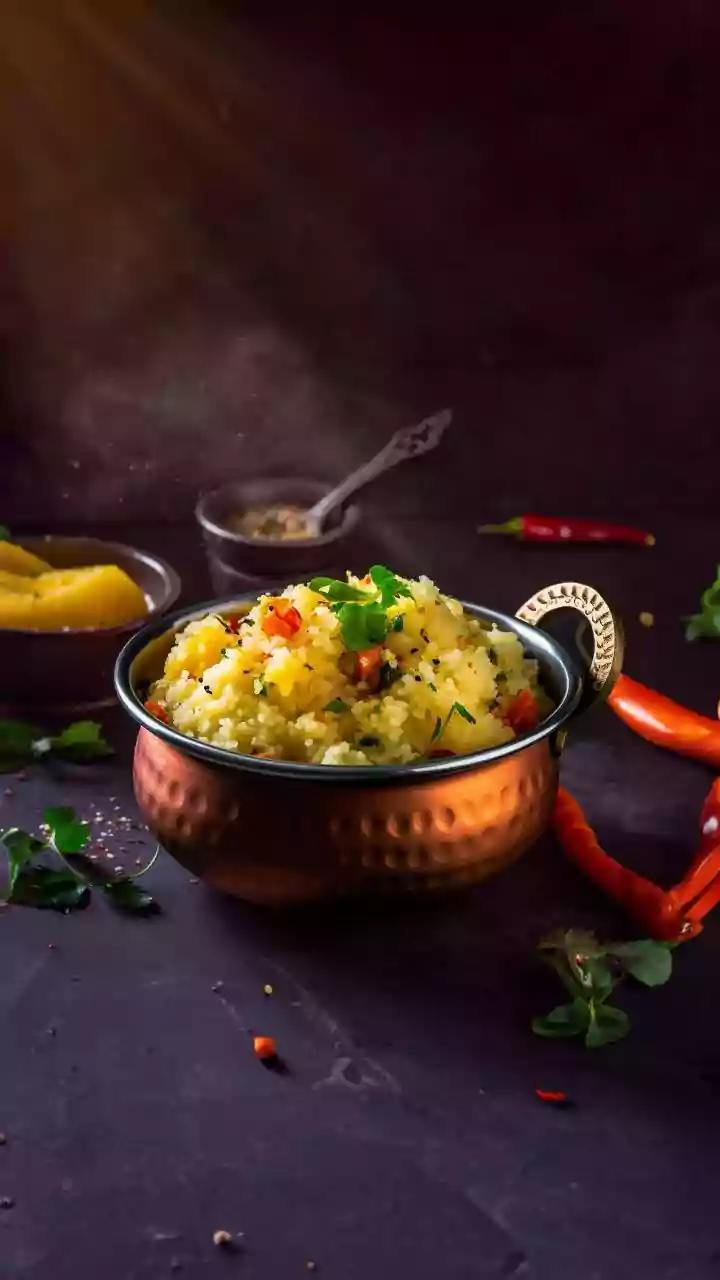
Moving away from rice, Rajasthan offers a rustic and wholesome take with its 'Gehun ki Bikaneri Khichdi'. This version uses whole wheat kernels or broken wheat (dalia) instead of rice, giving it a chewier texture and nutty flavour. The wheat is cooked with moong dal until tender. The tempering is simple but effective, relying on the classic combination of cumin seeds and a pinch of turmeric in a generous amount of ghee. It’s a hearty, earthy dish that reflects the state's preference for grains like wheat and bajra.