





From 'Second-Hand' to 'Pre-Loved'
Not long ago, the idea of buying used clothing in many Indian households was met with hesitation, often associated with necessity rather than choice. Today, that stigma is rapidly fading among millennials and Gen Z in cities like Mumbai, Delhi, and Bengaluru.
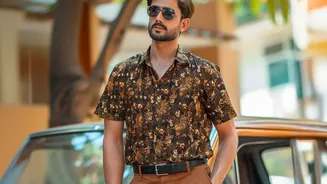
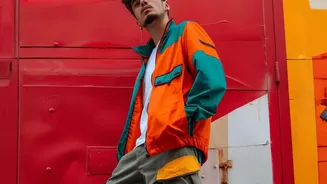
The narrative has been skillfully rebranded. What was once 'second-hand' is now 'pre-loved,' 'vintage,' or 'thrifted.' This is more than just a change in terminology; it represents a fundamental shift in mindset. For this generation, pre-loved fashion is not about compromise but a conscious and stylish choice, driven by a desire for authenticity that mass-produced clothing often fails to provide. It’s a move away from corporate, cookie-cutter styles towards something more personal and expressive.
The Triple Appeal: Style, Savings, and Sustainability
The thrifting boom is powered by three key motivators. First is the quest for individuality. Young shoppers are tired of seeing the same outfits from mainstream brands on everyone. Thrifting offers a 'treasure hunt' experience, rewarding patient browsers with unique pieces that tell a story. The second driver is affordability. For students and young professionals on a budget, thrifting provides access to high-quality and sometimes branded apparel at a fraction of the retail price. Finally, and perhaps most importantly, is a growing environmental consciousness. With the fashion industry being a major global polluter, buying second-hand is a tangible way to push back against the wasteful 'wear-once' culture of fast fashion. It's a small act of rebellion that aligns with a generation deeply concerned about the climate crisis.
The Instagram Thrift Store Boom
Social media, especially Instagram, has been the engine of this movement. It has democratised the thrifting market, allowing young entrepreneurs—often Gen Z and millennials themselves—to become curators and business owners. These digital-first stores operate through meticulously styled 'drops,' where a new collection is released at a specific time, creating a sense of excitement and urgency. The process is personal and community-driven. Sellers build relationships with their customers through DMs and engaging content, offering a boutique-like experience. They source items from various places, including export surplus markets and even their own communities, then clean, repair, and style them for a new life. This model has not only made thrifting accessible across the country but has also created a vibrant ecosystem of micro-entrepreneurs.
What 'Circular Fashion' Really Means
At the heart of the thrifting trend is the concept of 'circular fashion.' Simply put, it's the opposite of the traditional linear model of 'make, use, dispose.' Circularity aims to keep clothing and materials in use for as long as possible. When you buy a thrifted shirt, you are extending its life and preventing it from ending up in a landfill, where India's textile waste generates a massive environmental problem. This practice directly supports a circular economy by reducing the demand for new resource-intensive production, which involves massive water usage and carbon emissions. While India has a long history of repurposing textiles out of necessity, this new wave of thrifting is a conscious, lifestyle-oriented choice that aligns with global sustainability principles. Every pre-loved purchase is a vote for a more regenerative and less wasteful fashion system.
Challenges and the Road Ahead
Despite its rapid growth, the online thrift market faces hurdles. Issues like inconsistent sizing, the lack of formal return policies, and the prevalence of scam pages can make the experience tricky for consumers. For sellers, it's a demanding business that requires constant effort in sourcing, marketing, and managing logistics, often without a predictable income or safety net. However, the movement shows no signs of slowing down. As more consumers and brands recognise the economic and environmental benefits, the infrastructure supporting circular fashion is expected to grow. This includes better systems for sorting and recycling, as well as greater transparency in the supply chain.